
24/7 Customer Support

Free returns

Same-day & Next-day Delivery

Quality Guaranteed

Unlock Your Welcome Offers: FREE Delivery | Up to 80% OFF | Free 30-day JoyPlus trial
Download the APP
A suitable tool kit can handle loose cupboard hinges, flat-pack assembly, picture hanging and routine car maintenance. The difficulty is separating useful equipment from inflated piece counts and accessories that may rarely be used. Whether you are a new homeowner, tenant, student, hobbyist or car owner, the right choice depends on the work you expect to do, available storage and the quality of the core tools.
A 149-piece home tool kit may sound more useful than a smaller set, but the total can include duplicate screwdriver bits, small nails and assorted hardware. Check the actual contents rather than relying on the number printed on the box. A practical home tool kit should include essentials such as:
For vehicle work, look for ratchets, sockets, spanners and compatible drive sizes instead of simply choosing the largest-looking case.
A cordless hammer drill kit is not automatically suitable for every surface. Standard drill bits are intended for particular materials, while masonry bits are designed for brick and similar surfaces. Hammer action should only be used with a suitable masonry bit and where the drill’s instructions permit it.
Similarly, a hex bit set is useful for compatible fasteners, but it does not replace a complete socket set for larger nuts and bolts. Using the wrong bit can damage the fastener, accessory or work surface.
A tool kit with toolbox storage is easier to keep organised, but case design still matters. Individual slots can reduce missing tools, while locking clips help keep the contents secure during transport. Poor storage can also expose steel accessories to damp, increasing the chance of corrosion.
Before buying, check whether the case will fit in your cupboard, garage or vehicle boot. Wipe tools clean after use and store them dry, particularly in the UK’s damp weather.
Look for clearly stated materials such as heat-treated carbon steel, chrome vanadium (CR-V) or S2 steel. These terms describe the material or treatment, not a guarantee that a tool is suitable for heavy professional use.
A polished chrome or triple-chrome finish can make tools easier to clean and helps resist surface corrosion. Handles made with PVC or soft rubber may provide a more controlled grip during routine jobs. Avoid selecting a set solely because it uses words such as “premium” or “heavy duty” without a clear material specification.
Mechanic tool sets commonly use 1/4-inch, 3/8-inch and 1/2-inch drives. Smaller drives are generally convenient for compact fasteners, while larger drives are used with bigger sockets and ratchets. A mixed-drive set can be useful for home and car repairs, provided the case clearly identifies each size.
For a rotary tool kit, check the speed range, accessory compatibility and collet size. Variable speed is useful when moving between delicate engraving, polishing, cutting and grinding tasks. A flexible shaft can also make detailed work more comfortable and improve access to awkward angles.
For a cordless drill, compare the voltage, speed range, clutch settings, chuck size, battery capacity and included charger. A clutch helps limit driving force, which is useful when working with softer materials or smaller screws. Two speed settings can provide a choice between controlled torque and faster drilling.
A large accessory selection is helpful only when it includes the types you need. For general household repair tools, look for wood, metal, masonry and screwdriver bits. Wear eye protection when drilling, and use a dust mask or hearing protection where the task and material require it.
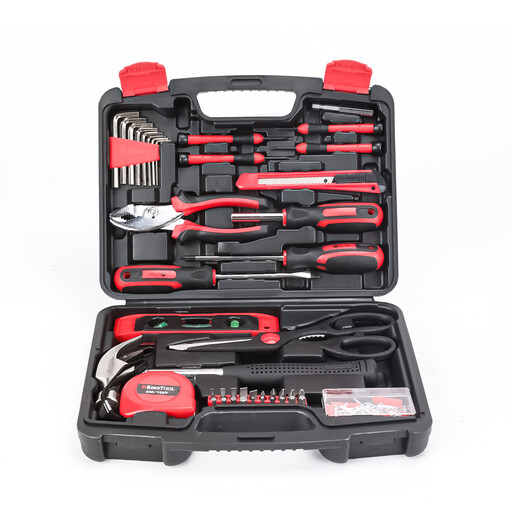
Why This Fits Their Persona: A broad starter selection for a new home, rented flat, office, student accommodation or general household cupboard.
The contents are itemised rather than represented only by a headline count, with individual storage slots and a separate hardware box.
Includes screwdrivers, pliers, hammer, level, tape measure, hex keys, bits and 106 hardware accessories in a plastic toolbox.
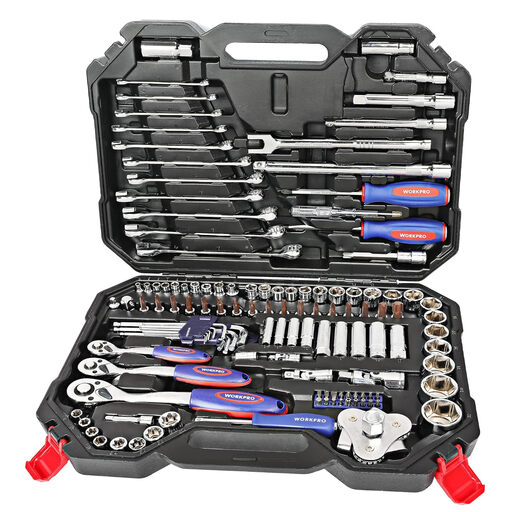
Why This Fits Their Persona: A balanced option for buyers wanting organised equipment for both home maintenance and occasional vehicle work.
The set identifies its three drive sizes and provides a blow-moulded case with designated positions, making the contents easier to check.
Includes sockets, ratchet wrench, spanners, bits, hex keys and a voltage tester, with a polished, heat-treated, triple-chrome-plated finish.
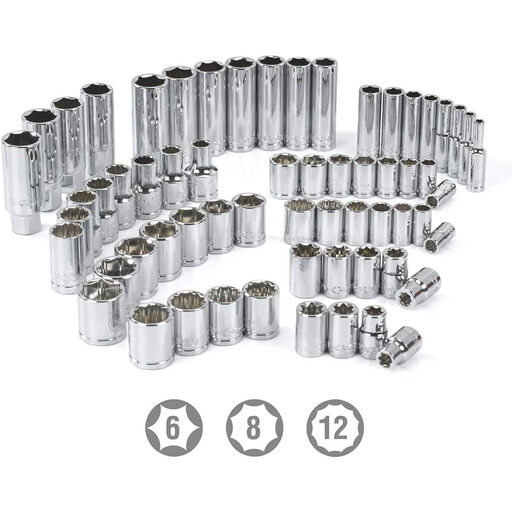
Why This Fits Their Persona: Suited to car owners and frequent DIY users who need extensive metric and imperial coverage across a garage or vehicle.
Its four-tray blow-moulded case separates the large inventory, helping users distinguish useful coverage from a loose collection of parts.
Provides 1/2-inch, 1/4-inch and 3/8-inch drive tools, sockets, spanners, bits and hex keys in metric and imperial formats.
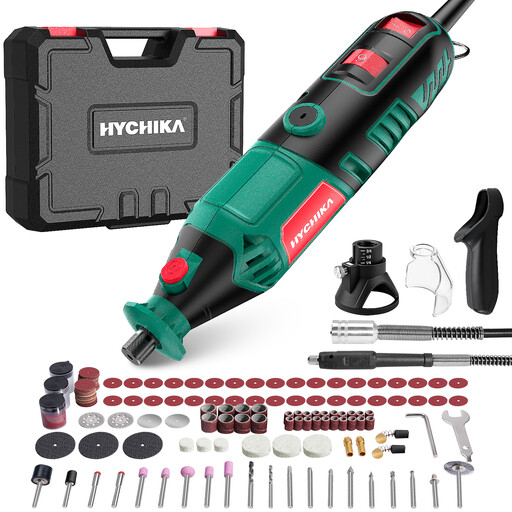
Why This Fits Their Persona: A corded choice for engraving, trimming, polishing, sharpening, deburring and other detailed creative projects.
Six speed settings and a stated range of 8,000–35,000 RPM give more practical control than a single-speed detail tool.
Includes a 1-metre flexible shaft, 173 accessories, replaceable motor brushes and ventilation openings.
We have compiled a complete, real-time list of products that fully satisfy these strict selection criteria and UK safety regulations.
A complete DIY tool set is usually convenient for occasional repairs, moving into a new property or setting up a student room. It provides compatible accessories and a dedicated case in one purchase. Individual tools may be more suitable if you already own the basics or require a specialist item, such as a 3/8-inch hex bit set or a high-capacity socket set.
Check the tools you already have before buying. Avoid paying for duplicate screwdrivers or sockets when a smaller specialist set would cover your actual tasks.
For routine jobs, prioritise screwdrivers, pliers, a hammer, tape measure, spirit level, utility knife, hex keys and assorted bits. If you regularly assemble furniture or hang shelves, a drill and suitable wall plugs are useful additions.
Lifespan depends on materials, frequency of use, load, storage and maintenance. Wipe tools dry, avoid using them outside their intended purpose and replace damaged handles, worn bits or compromised electrical accessories. A corrosion-resistant finish can help with surface protection, but it does not remove the need for dry storage.
The direct running cost is generally limited to charging the battery, but battery capacity, charging time and replacement availability affect long-term value. A corded rotary tool draws electricity while operating, whereas a cordless drill requires battery charging and may need a spare battery for longer projects. Check the included battery, charger and compatibility system before purchase.