
24/7 Customer Support

Free returns

Same-day & Next-day Delivery

Quality Guaranteed

Unlock Your Welcome Offers: FREE Delivery | Up to 80% OFF | Free 30-day JoyPlus trial
Download the APP
Choosing between toothbrushes can seem simple until you compare bristle softness, brush-head size, electric settings, replacement costs and age guidance. A brush that works well for an adult may be unsuitable for a baby, while an entertaining children’s design may become expensive if replacement heads are difficult to find.
This guide from the Joybuy Product Recommendation Officer focuses on practical details rather than marketing language, helping UK households choose a manual toothbrush, electric toothbrush or family multipack with fewer surprises.
Soft bristles are generally a sensible starting point for everyday cleaning, but softness alone does not confirm that a toothbrush is appropriate for a baby or young child. Brush-head dimensions, age guidance and handle design matter just as much.
A baby toothbrush 0-2 years should have an extra-small head and a handle that gives the parent secure control. An adult soft toothbrush may still be too large for a small mouth, even if its bristles feel gentle.
Sonic vibration, Bluetooth coaching, timers and multiple cleaning modes can be useful for some families, but they also bring extra considerations. Rechargeable models need charging, app-connected brushes may require a compatible phone, and replacement heads can cost more than standard manual toothbrushes.
For occasional travel, a folding travel toothbrush may be more practical than carrying a charging dock. For a child who needs help brushing for long enough, a timer or coaching feature may offer more value.
Toothbrushes should be replaced around every three months, or sooner when bristles become frayed or damaged. A low-priced brush can therefore be less economical if it is sold singly and your household needs several replacements.
A toothbrush multipack can simplify routine changes, but check that every brush has the right bristle softness and head size. After use, rinse the brush and store it upright where it can air-dry. Avoid closed covers on a wet brush for long periods.
For many adults, a soft toothbrush or sensitive gums toothbrush is a practical choice. Ultra-soft bristles may feel more comfortable for delicate gum tissue, while tapered or interdental filaments can help access the gum line and spaces between teeth.
Brushing with excessive pressure can be uncomfortable regardless of bristle type. Use gentle movements and follow advice from your dentist or dental hygienist if you have persistent sensitivity, bleeding or irritation.
Charcoal toothbrushes are identifiable by their dark, charcoal-infused bristles. Treat this as a material and design feature rather than proof of whitening or odour-removal results. The overall brushing technique, toothpaste and regular dental care remain important.
A compact head can make it easier to reach back teeth, but children and babies need age-specific proportions. Look for:
A larger head is not automatically more effective. If it is awkward to manoeuvre, some areas may be missed.
A manual toothbrush offers low-cost ownership, simple control and no charging or batteries. It is suitable for home use, holidays and users who prefer to control brushing pressure themselves.
A sonic toothbrush for children can add vibration, a timer or a playful design to the routine. Check the recommended age, whether a battery is included, the number of brush heads supplied and the price and availability of replacement heads. For rechargeable models, also check charger requirements and supervision guidance.
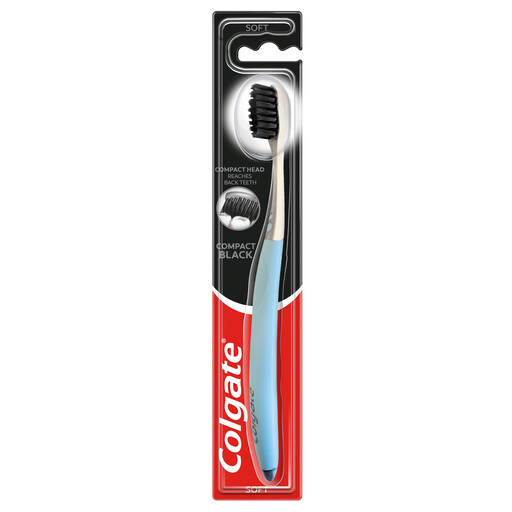
Why This Fits Their Persona: A straightforward manual toothbrush for adults who want a compact head and soft bristles without batteries, charging or app features.
Its compact head and soft nylon bristles address the common problem of choosing a bulky brush with unnecessarily firm bristles.
Soft charcoal-infused nylon bristles; PP handle with a TPE non-slip grip.
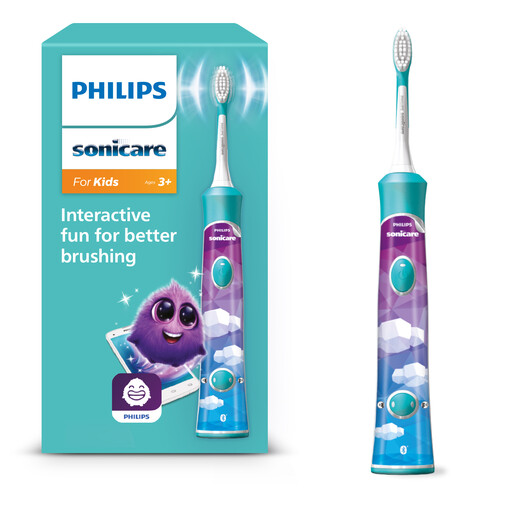
Why This Fits Their Persona: A feature-rich rechargeable option for families comfortable with app connectivity and structured brushing guidance for children aged three and over.
The stated age guidance, two modes and built-in timing functions make the specification clearer than choosing an adult electric brush for a child.
Bluetooth coaching app; rechargeable battery, KidTimer and Quadpacer functions.
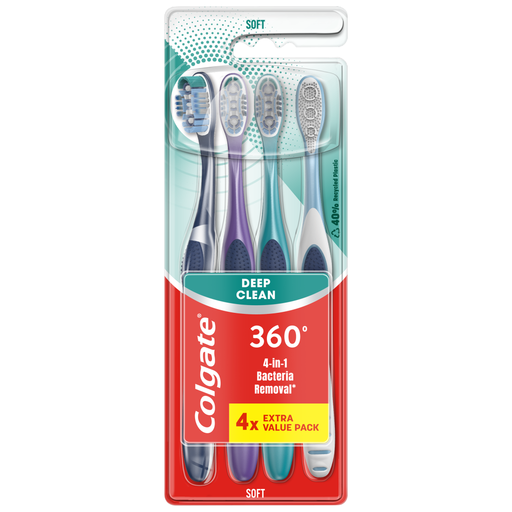
Why This Fits Their Persona: Suitable for households that want several manual replacements available for regular family use.
The four-pack reduces the risk of delaying replacement because a fresh brush is already available at home.
Four soft toothbrushes; cheek and tongue cleaner on the reverse of each head.
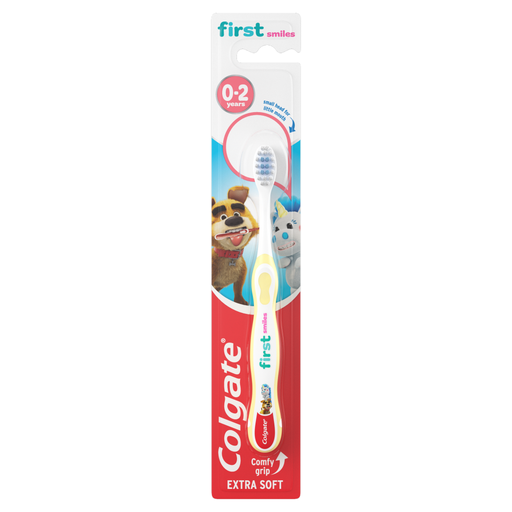
Why This Fits Their Persona: Designed for babies aged 0-2 years, with an extra-small head and parent-friendly grip for first teeth and tender gums.
The specified age range and extra-small brush head help prevent the mismatch of using an adult-sized toothbrush for a baby.
Ultra-soft nylon bristles; textured, non-slip handle for parental control.
For sensitive adult mouths, the Wisdom Soft Control Grip combines ultra-soft bristles, interdental filaments, an angled neck and a non-slip handle. View the Wisdom Soft Control Grip if gum comfort and manoeuvrability are your main priorities.
For holidays, commuting or overnight stays, the Colgate Portable Travel Soft Manual Toothbrush folds into a compact format and uses its folding handle as a bristle cover. It is listed for adult use, so it should not be treated as a children’s brush.
Children aged four and over may also suit a battery-powered option such as the Ordo Squishmallows Sonic Kids Toothbrush, which includes soft bristles and a spare brush head. Check whether the battery is included before ordering; availability can vary by product version.
We have compiled a complete, real-time list of products that fully satisfy these strict selection criteria and UK safety regulations.
Replace a toothbrush approximately every three months, or sooner if the bristles become frayed, loose or damaged. Children may need replacements earlier if they chew the brush. Always follow the care instructions supplied with the product.
A manual toothbrush usually has fewer ongoing costs because it does not need batteries, charging or replacement electronic parts. An electric toothbrush may offer useful timers or guided brushing, but you should include the cost and availability of replacement heads when comparing long-term value.
Choose a toothbrush specifically labelled for 0-2 years, with an extra-small head and ultra-soft bristles. Brush gently with adult supervision and use the amount of fluoride toothpaste advised by UK dental guidance or your dental professional. Do not allow a baby to chew or use the brush unsupervised.