
24/7 Customer Support

Free returns

Same-day & Next-day Delivery

Quality Guaranteed

Unlock Your Welcome Offers: FREE Delivery | Up to 80% OFF | Free 30-day JoyPlus trial
Download the APP
Choosing toothpaste can seem straightforward until you compare whitening, sensitivity, gum care, fluoride and fresh breath claims on the shelf. A low-priced tube may not suit your needs, while a specialist formula can be unnecessary for everyday brushing.
For UK households, the practical starting point is to identify the primary concern, check the fluoride level and understand what cosmetic claims can—and cannot—do. The following guide highlights common buying traps and matches several toothpaste options to different routines.
Whitening toothpaste generally works by helping remove external stains caused by drinks such as tea, coffee and red wine. It does not usually change the natural colour of the tooth in the same way as professional whitening treatment.
Look for clear wording such as “surface stain removal” rather than assuming that a whitening formula will lighten deep or intrinsic discolouration. People with sensitive teeth should also consider whether a stronger mint flavour or polishing ingredient feels comfortable for daily use.
A powerful cooling sensation can make your mouth feel fresh, but freshness alone does not indicate cavity protection or effective plaque control. A fresh breath toothpaste should still contain fluoride at an appropriate level for the intended user.
Cooling crystals, mint oils and menthol may improve the brushing experience, but persistent unpleasant breath can have several causes. If it continues despite regular brushing and interdental cleaning, speak with a dentist.
Many everyday adult toothpastes contain 1,450 parts per million (ppm) fluoride, a commonly stated level on UK products. However, age guidance varies. Some products are not intended for children under seven, while specialist sensitivity and enamel formulas may be labelled for users aged 12 and over.
Always read the current packaging, ingredient list and safety instructions. Do not swallow toothpaste, and supervise younger children when required.
For everyday cavity protection, check whether the toothpaste contains fluoride and note the stated concentration. The featured products use 1,450 ppm fluoride, but the correct choice still depends on age, dental advice and any other fluoride sources.
Brush twice daily for around two minutes, spit out the excess and follow the product instructions. If a dentist has prescribed a high-fluoride toothpaste, use that advice rather than substituting a standard supermarket formula.
A 75ml tube is convenient for an individual bathroom cabinet or travel bag. A 125ml tube may suit frequent daily use, while a two-pack can reduce the need for repeat orders. Compare the price per 100ml rather than relying only on the shelf price, and check the expiry date before purchasing multiple tubes.
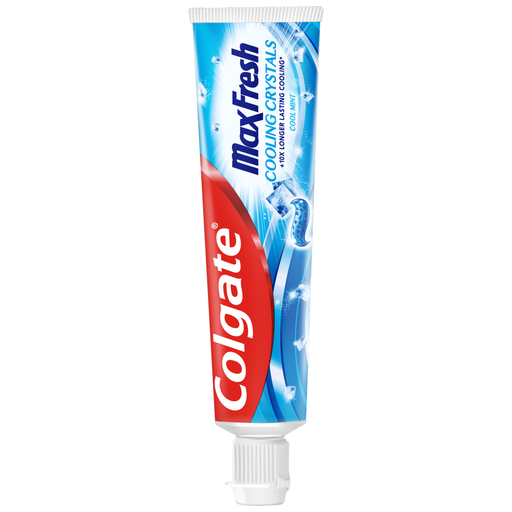
Why This Fits Their Persona: A 125ml tube suits regular household use and combines mint freshness with fluoride protection for everyday brushing.
Its stated 1450 ppm fluoride level makes the cavity-protection specification easy to check, rather than relying only on the cooling sensation.
125ml format; cool-mint flavour; contains sodium fluoride at 1450 ppm.
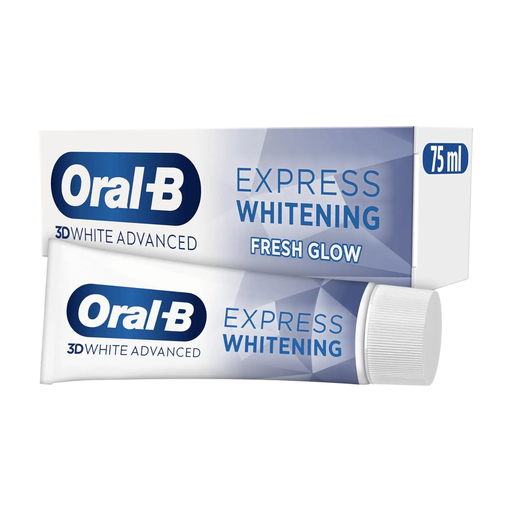
Why This Fits Their Persona: Suitable for adults prioritising a brighter-looking smile while retaining fluoride protection and a pronounced mint flavour.
The product description refers specifically to surface-stain removal, helping set a realistic expectation for whitening toothpaste.
1450 ppm sodium fluoride; icy mint flavour; recyclable carton and tube stated in the product information.
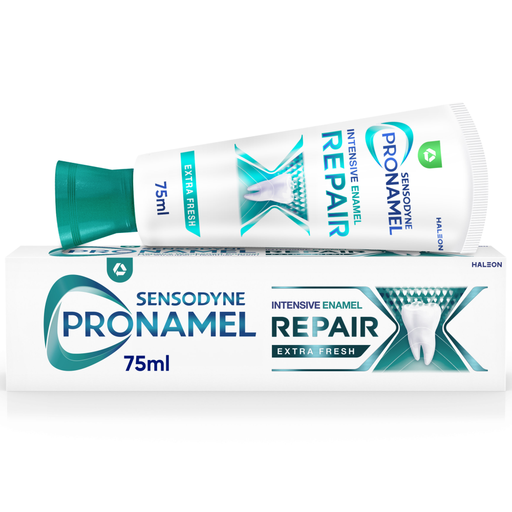
Why This Fits Their Persona: Designed for adults managing sensitivity or concern about dietary acid wear as part of a twice-daily routine.
Its stated purpose is enamel and sensitivity care, rather than presenting a strong flavour or whitening message as a substitute for targeted support.
Contains potassium nitrate; contains 1450 ppm sodium fluoride; intended for users aged 12 and over.
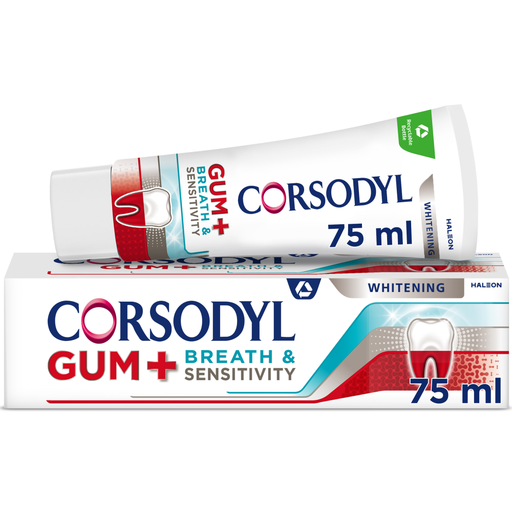
Why This Fits Their Persona: A targeted option for adults considering gum care, sensitivity, breath freshness and surface-stain removal in one routine.
The product information identifies gum and sensitivity care as core purposes, so shoppers can assess it against a specific need rather than choosing solely by flavour.
Combines gum, breath and sensitivity positioning; includes whitening action for surface stains; suitable for users aged 12 and over.
We have compiled a complete, real-time list of products that fully satisfy these strict selection criteria and UK safety regulations.
A 75ml tube may last several weeks for one person using the recommended amount twice daily. Actual usage depends on how much is applied, whether the tube is shared and whether brushing takes place more frequently. Compare pack sizes and expiry dates when buying toothpaste online in the UK.
It may be suitable for some people, but comfort varies by formula and individual sensitivity. Whitening toothpaste generally addresses surface stains rather than changing the underlying tooth colour. If cold, hot or sweet foods cause recurring pain, consider a sensitivity-focused formula and seek dental advice.
Products may be formulated to support enamel care or gum care, but toothpaste cannot replace an examination or treatment for significant damage, swelling or persistent bleeding. Stop using any product that causes irritation and consult a dentist if symptoms continue or worsen.