
24/7 Customer Support

Free returns

Same-day & Next-day Delivery

Quality Guaranteed

Unlock Your Welcome Offers: FREE Delivery | Up to 80% OFF | Free 30-day JoyPlus trial
Download the APP
Toothpaste is a small everyday purchase, but choosing the wrong formula can mean paying for features that do not match your needs. A whitening toothpaste may focus on surface stains rather than deeper discolouration, while a sensitive teeth toothpaste may be unsuitable if persistent pain has an underlying cause.
For UK shoppers aged 12 and over, the main decision is not simply flavour or brand. It is whether the formula offers the right combination of fluoride protection, targeted ingredients, cleaning action and usage guidance.
Most whitening toothpaste products work by helping remove surface stains through polishing or cleaning ingredients. They do not replace professional whitening and may not change the natural shade of the tooth. If your concern is tea, coffee or food staining, look for wording such as “surface stain removal” and check whether the formula is intended for daily use.
A powerful mint flavour can leave a noticeable cooling sensation, but freshness alone does not confirm plaque control or cavity protection. Check the active ingredients and fluoride content rather than choosing only by flavour intensity.
Sensitive teeth toothpaste, enamel care toothpaste and gum health toothpaste are designed around different concerns. Sensitivity that continues or worsens may indicate a dental problem, while bleeding gums should not be managed only by changing toothpaste. Follow the product warnings and speak to a dentist when symptoms persist.
For many adults and children aged 12 and over, everyday fluoride toothpaste commonly contains around 1,450 parts per million (ppm) fluoride. This level appears on several products in this range, including formulations containing sodium fluoride, stannous fluoride or sodium monofluorophosphate.
Always check the packaging because fluoride concentration, age guidance and ingredients can vary. Do not swallow toothpaste, and supervise younger children according to the label. If you receive fluoride from other sources or have specific dental advice, consult a dentist or doctor before changing products.
A standard 75ml toothpaste tube is convenient for a bathroom cabinet, travel bag or individual daily use. A pea-sized amount is generally sufficient for each brushing session, although some products specify a measured quantity. Brush according to the label, commonly twice daily for around two minutes, and keep the cap closed in a cool, dry place.
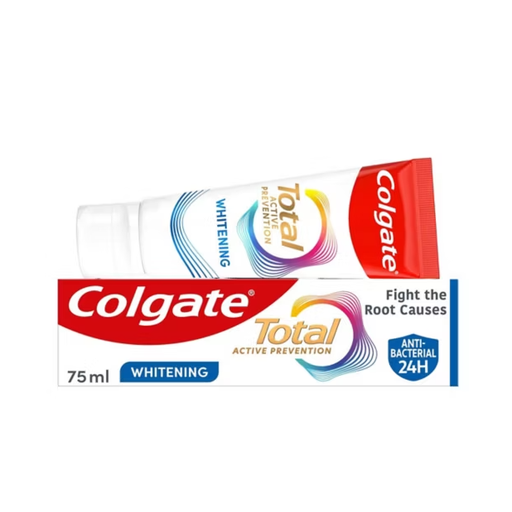
Why This Fits Their Persona: A practical daily-care option for shoppers seeking fluoride, cleaning and surface-stain support in one 75ml tube.
Its listed total fluoride content is 1450 ppm, while the whitening positioning is focused on surface stains rather than promising a change to natural tooth colour.
75ml format; contains stannous fluoride and sodium fluoride; intended for twice-daily brushing.
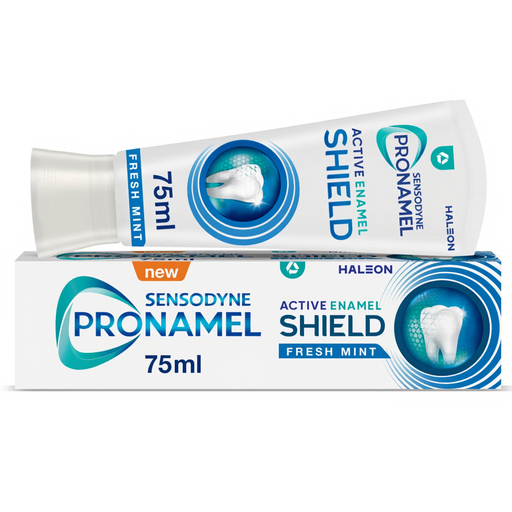
Why This Fits Their Persona: Suits shoppers who prioritise enamel care and a fresh mint flavour alongside routine cavity protection.
The product information specifies sodium fluoride at 1450 ppm and explains its focus on dietary-acid protection, making the purpose clearer than a generic “strengthening” label.
Fresh mint flavour; fluoride formula; designed for twice-daily brushing and enamel-focused care.
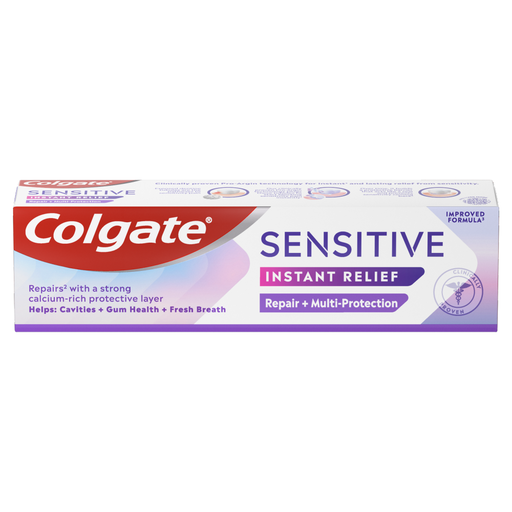
Why This Fits Their Persona: Designed for shoppers who want sensitivity-focused care combined with enamel, cavity and fresh-breath features.
Its description identifies arginine and a protective-seal approach for exposed dentine, rather than relying only on a strong mint sensation to suggest relief.
75ml tube; multi-protection positioning; includes sodium monofluorophosphate and arginine.
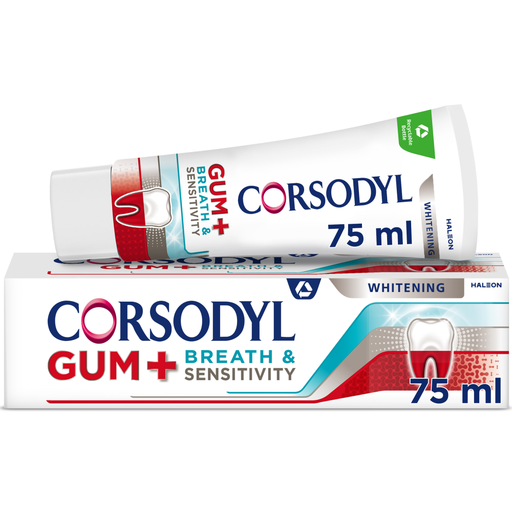
Why This Fits Their Persona: A match for shoppers looking to combine gum-focused care with sensitivity support, breath freshness and surface-stain cleaning.
The product is positioned around gum, breath and sensitivity concerns together, so shoppers can compare its purpose with a standard daily care toothpaste.
Contains sodium fluoride; whitening action is described as surface-stain removal; intended for twice-daily use.
We have compiled a complete, real-time list of products that fully satisfy these strict selection criteria and UK safety regulations.
Choose a formula specifically labelled for sensitivity and check for ingredients such as potassium nitrate, arginine or stannous fluoride. Use it consistently as directed. If sensitivity lasts for two to four weeks, becomes more intense or is accompanied by swelling, arrange a dental appointment.
The lifespan depends on the amount used, brushing frequency and whether more than one person shares the tube. Using a pea-sized amount twice daily will generally make a 75ml tube last longer than using a large strip. Store it with the cap closed and follow the printed expiry information.
Many whitening toothpaste formulas are designed for daily brushing, but their polishing ingredients and sensitivity guidance differ. Check the label, avoid aggressive brushing and consider a sensitivity-focused alternative if cold or hot foods cause discomfort.