
24/7 Customer Support

Free returns

Same-day & Next-day Delivery

Quality Guaranteed

Unlock Your Welcome Offers: FREE Delivery | Up to 80% OFF | Free 30-day JoyPlus trial
Download the APP
Buying toothpaste can seem straightforward until you compare whitening claims, fluoride levels, sensitivity formulas and children’s options. A higher price does not automatically mean a better match for your routine, while a strong whitening promise may overlook everyday cavity protection.
This guide helps UK shoppers compare toothpaste by practical criteria rather than packaging language. Whether you need teeth whitening toothpaste, sensitive teeth toothpaste, cavity protection toothpaste or a family-friendly daily formula, check the details below before adding a product to your basket.
Most whitening toothpaste is designed to remove or polish away surface stains caused by drinks such as tea, coffee and red wine. It does not necessarily change the natural colour of the tooth in the same way as professional whitening treatment.
Look for clear wording such as “surface stain removal” and check whether the formula is intended for daily use. Claims involving percentages, shades or short timeframes should be treated as the brand’s stated performance information rather than a guarantee for every user.
A very fresh taste can make your mouth feel clean, but freshness alone does not indicate effective cavity care. For everyday brushing, check the active fluoride ingredient and concentration. Many adult products listed for the UK market contain around 1450 ppm fluoride, supporting routine protection against tooth decay when used as directed.
A product described as fresh breath toothpaste may still be suitable for daily care, but it should not replace checking the formula, usage instructions and fluoride content.
Children should not automatically use the same toothpaste as adults. Fluoride concentration, quantity and supervision instructions vary by age. For example, children’s toothpaste may specify a smear or pea-sized amount and advise adults to supervise brushing.
Similarly, persistent sensitivity can have an underlying cause. A sensitivity toothpaste may support a daily routine, but ongoing or worsening symptoms should be discussed with a dentist.
For many adults, a fluoride toothpaste with 1450 ppm fluoride is a practical daily-care option. Check whether the label lists sodium fluoride, stannous fluoride or sodium monofluorophosphate, and note the stated concentration.
Fluoride is relevant when comparing fluoride toothpaste, cavity protection toothpaste and enamel strengthening toothpaste. Do not swallow toothpaste, and follow the age instructions printed on the packaging.
Choose the product around your main need:
Children’s toothpaste needs closer attention to both fluoride level and quantity. Brush-Baby Natural Strawberry Toothpaste is listed for children aged 3 years and over, with instructions for a smear up to age 3 and a pea-sized amount for ages 3 to 6. The product contains sodium monofluorophosphate at 1000–1350 ppmF and is described as SLS-free and low-foam.
Always read the current packaging, particularly if your child receives fluoride from another source.
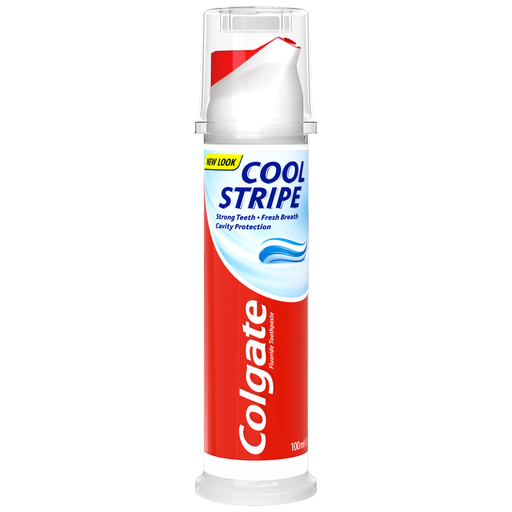
Why This Fits Their Persona: A straightforward option for shoppers wanting a familiar daily care toothpaste for a shared bathroom routine.
It focuses on fluoride and cavity care rather than relying only on a strong freshness claim. The listing states a 1450 ppm sodium fluoride formula.
100ml tube; fluoride formula; cool stripe flavour for a clean mouth feel.
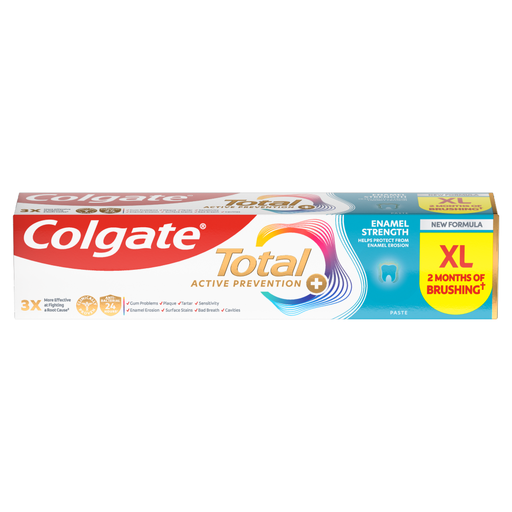
Why This Fits Their Persona: Suits adults who want one multi-benefit formula covering routine cleaning, enamel care and fresh breath.
The product details identify a 1450 ppm fluoride content and list multiple intended care areas, making the specification easier to compare than broad “complete care” wording alone.
125ml size; fluoride included; listed as SLS-free; intended for enamel and everyday oral care.
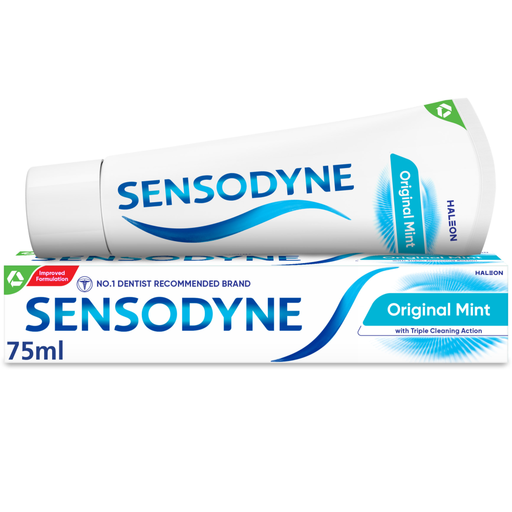
Why This Fits Their Persona: Designed for adults and children aged 12 and over who experience sensitivity during everyday eating and drinking.
It addresses the sensitivity requirement directly instead of asking users to tolerate a generic whitening or high-freshness formula.
1450 ppm sodium fluoride; potassium nitrate listed; original mint flavour; suitable from age 12.
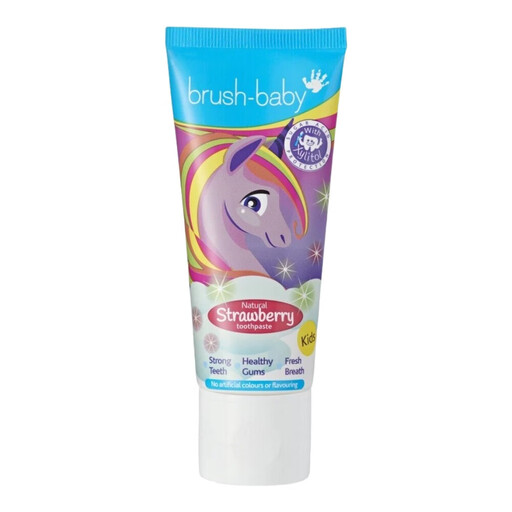
Why This Fits Their Persona: A child-focused option for families building a supervised brushing routine for children aged 3 and over.
The stated age guidance, fluoride range and quantity instructions help parents avoid using an unsuitable adult formula.
50ml tube; natural strawberry flavour; SLS-free low-foam formula; contains xylitol.
For most routines, brush thoroughly twice daily for around two minutes, using a soft-bristled toothbrush and a pea-sized amount unless the packaging gives different instructions. Spit after brushing and follow the label regarding rinsing.
Do not assume that using more toothpaste improves results. Excess product can increase the risk of swallowing, particularly for young children. Replace the cap after use and store the tube according to the packaging instructions.
For more whitening options, consider formulas such as Colgate Advanced White, ARM & HAMMER Advance White or Oral-B 3D White. These products are positioned around surface stain removal, while still listing fluoride for routine cavity protection. Compare the full product details before choosing, especially if you have sensitivity or enamel concerns.
We have compiled a complete, real-time list of products that fully satisfy these strict selection criteria and UK safety regulations.
A 75ml or 100ml tube may last several weeks for one person using a pea-sized amount twice daily, although the exact lifespan depends on brushing habits and whether the tube is shared. A two-pack, such as Oral-B 3D White Arctic Fresh 2 x 75ml, can be convenient for households or planned repeat use.
Some whitening toothpaste is labelled for daily use, but formulas differ. Check the packaging and stop using the product if irritation occurs. Whitening toothpaste mainly targets surface stains; it is not a substitute for professional dental treatment.
Choose a product specifically labelled for sensitivity, such as Sensodyne Daily Care Original Mint or Sensodyne Rapid Relief Whitening. Follow the directions carefully. If sensitivity persists, worsens or occurs alongside swelling, arrange a dental appointment rather than relying on toothpaste alone.