
24/7 Customer Support

Free returns

Same-day & Next-day Delivery

Quality Guaranteed

Unlock Your Welcome Offers: FREE Delivery | Up to 80% OFF | Free 30-day JoyPlus trial
Download the APP
Tooth sensitivity can make everyday habits uncomfortable, from drinking tea to eating ice cream. However, choosing toothpaste for sensitive teeth is not simply a matter of picking the most familiar name on the shelf. Different formulas focus on exposed dentine, enamel wear, gum problems, surface staining or bad breath.
The right product should match your main concern while still supporting everyday cavity prevention. Here are the common buying traps and the practical details to check before ordering.
A whitening toothpaste generally works by removing surface stains. It cannot change the natural colour of dentine or replace lost enamel. Some shoppers also assume that a stronger cleaning sensation means a more effective formula, but comfort and suitability matter more when teeth are already sensitive.
If whitening is important, look for wording such as gentle whitening or surface stain removal, rather than expecting a toothpaste to bleach teeth. Products such as Sensodyne Pronamel Intensive Enamel Repair Whitening and Colgate Sensitive Instant Relief Repair + Gentle Whitening are designed to combine sensitivity care with stain-focused cleaning.
Terms including enamel repair toothpaste, enamel strengthening toothpaste and “remineralisation” usually refer to supporting the outer tooth surface with fluoride or other active ingredients. They should not be interpreted as restoring large chips, holes or advanced erosion.
Persistent sensitivity, a cracked tooth or pain in one specific area needs dental assessment. Toothpaste can support daily oral care, but it is not a substitute for professional treatment.
A premium-looking tube may not contain the ingredient that suits your symptoms. For sensitivity relief, common actives include potassium nitrate, arginine and calcium sodium phosphosilicate (NovaMin). For cavity prevention, check the fluoride content rather than relying on broad phrases such as “total protection”.
Many of the adult products below contain 1,450 ppm fluoride, a commonly seen level in UK daily oral care toothpaste. Always check the current packaging, particularly if you use fluoride from other products or have been given specific advice by a dentist.
The ingredient list helps you compare a genuine sensitivity relief toothpaste with a standard mint toothpaste that only uses “sensitive” language on the front.
For adults, a toothpaste with 1,450 ppm fluoride may support routine cavity protection when used as directed. Brush twice daily with a soft-bristled toothbrush, spit out excess toothpaste and avoid swallowing. Some labels advise not rinsing immediately, while others provide different directions, so follow the instructions on the tube you purchase.
Children’s age guidance varies by formula. Products listed here are generally intended for adults or users aged 12 and over unless a dental professional advises otherwise.
Consider whether you need:
Bleeding gums should not be dismissed as a cosmetic issue. If bleeding continues, or if there is swelling, facial pain or persistent discomfort, arrange a dental appointment.
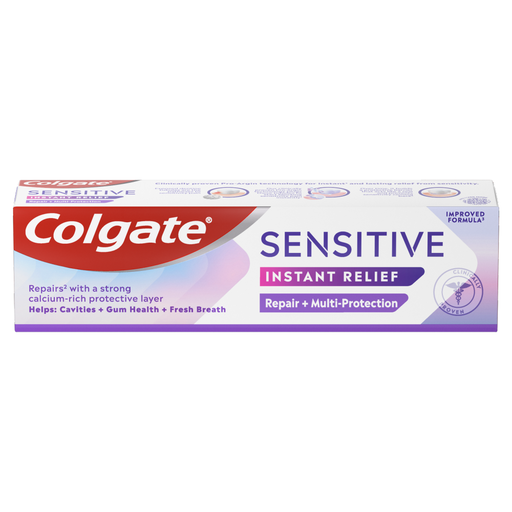
Why This Fits Their Persona: A straightforward daily option for shoppers who want sensitivity care, enamel support, cavity protection and fresh breath in one 75ml tube.
Its listed formula identifies arginine and fluoride rather than relying only on front-of-pack sensitivity wording.
Contains Pro-Argin technology and a total fluoride content of 1,450 ppm; intended for twice-daily use.
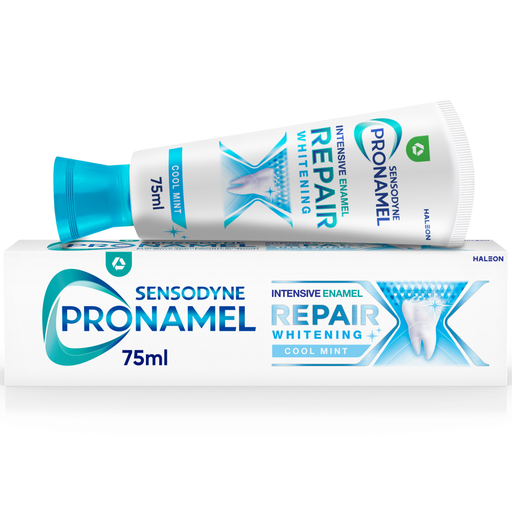
Why This Fits Their Persona: Suits adults balancing sensitivity with concerns about acid-related enamel wear and everyday surface staining from tea or coffee.
The product separates enamel-care and whitening functions, helping shoppers avoid assuming that whitening alone addresses enamel concerns.
Contains 5% potassium nitrate and 0.25% sodium fluoride, with a whitening action aimed at surface stains.
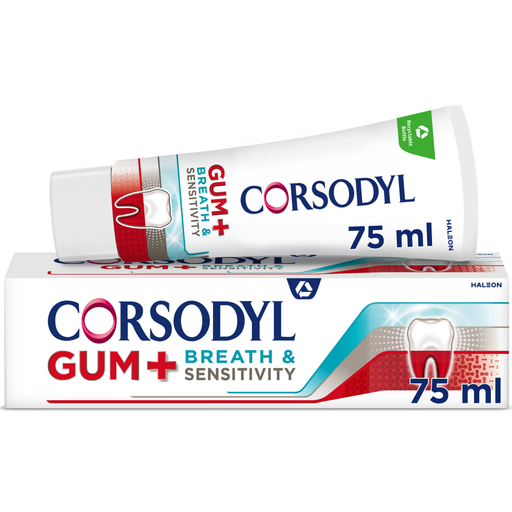
Why This Fits Their Persona: A practical match for adults managing sensitivity alongside plaque around the gumline, gum concerns and recurring bad breath.
It is positioned around gumline plaque and odour-causing bacteria as well as sensitive areas, rather than offering whitening as the main solution.
Lists Pro-Neutra technology, stannous fluoride and sodium fluoride, with 1,450 ppm total fluoride and a peppermint-spearmint flavour.
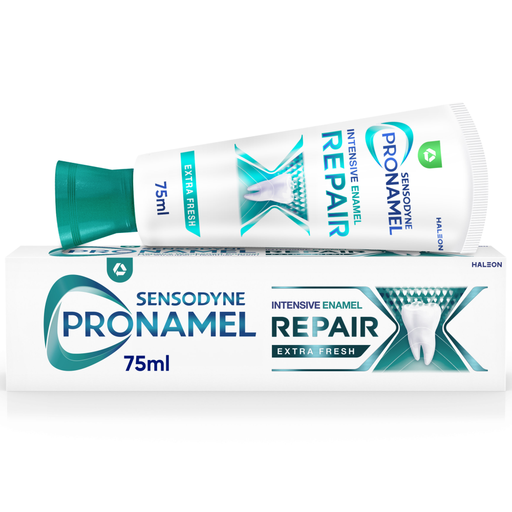
Why This Fits Their Persona: Designed for shoppers who prioritise acid-wear protection and a fresh finish over whitening features.
Its product information clearly focuses on dietary acid wear and remineralising care, making the intended use easier to identify.
Contains potassium nitrate and 1,450 ppm sodium fluoride; the formula is intended for twice-daily brushing and is suitable for sensitive teeth.
We have compiled a complete, real-time list of products that fully satisfy these strict selection criteria and UK safety regulations.
Use a soft-bristled toothbrush and brush for around two minutes, twice daily, unless your product label says otherwise. Avoid aggressive pressure, as scrubbing can irritate the gumline and contribute to enamel wear. Spit rather than swallowing toothpaste.
For a targeted product, consistency matters more than applying a large amount. A pea-sized portion is normally sufficient for adults. A 75ml tube may last several weeks, depending on how much is used, brushing frequency and whether more than one person shares it. To compare running cost, divide the price by the tube size and consider the recommended frequency of use.
There is no single formula suited to every shopper. Compare the active ingredient with your concern: potassium nitrate, arginine and NovaMin are used in different sensitivity products, while fluoride supports everyday cavity protection. Choose gum-focused toothpaste if bleeding or plaque around the gumline is your main issue.
Yes, some formulas are made for both concerns, but whitening usually means removing surface stains rather than changing natural tooth colour. Choose a product described as gentle or suitable for sensitive teeth, use a soft brush and stop if irritation develops.
The time varies by product and the cause of the sensitivity. Follow the label consistently and speak to a dentist if symptoms persist, worsen or are accompanied by swelling, pain or bleeding. Sensitivity can sometimes indicate an underlying dental problem that requires more than a change of toothpaste.