
24/7 Customer Support

Free returns

Same-day & Next-day Delivery

Quality Guaranteed

Unlock Your Welcome Offers: FREE Delivery | Up to 80% OFF | Free 30-day JoyPlus trial
Download the APP
Tooth sensitivity can make ordinary routines uncomfortable, particularly when cold drinks, hot food or sweet items trigger a sharp twinge. Choosing toothpaste for sensitive teeth should therefore involve more than picking the product with the largest claim on the front of the tube.
A suitable formula needs to match the likely cause of discomfort, your wider oral-care needs and the way you brush. The following guide highlights common buying traps and explains which specifications deserve attention before you purchase.
“Sensitive” can refer to different active ingredients and approaches. Some formulas contain potassium nitrate, which is used in anti-sensitivity toothpaste to help calm the sensation associated with exposed dentine. Others use ingredients such as arginine or calcium sodium phosphosilicate to form a physical barrier over vulnerable areas.
These are not interchangeable product descriptions. Check the active ingredients rather than relying only on the packaging headline.
A whitening toothpaste for sensitive teeth generally works by removing some surface stains from food and drink. It does not change the natural internal colour of teeth in the same way as professional whitening treatment.
If a product feels too abrasive or brushing causes discomfort, it may not suit your routine. Look for wording such as “gentle whitening” and avoid brushing more forcefully to compensate for mild staining.
A toothpaste may focus on gum health, fresh breath or enamel care but still need to provide everyday cavity protection. For most adults in the UK, a fluoride toothpaste containing around 1,350–1,500 parts per million (ppm) fluoride is commonly used for routine brushing. Always check the tube because formulations can change.
Fluoride supports the enamel surface, but it does not replace professional care where there is persistent pain, swelling or bleeding.
For regular tooth sensitivity, compare the active ingredients:
A formula combining sensitivity care with fluoride may be more convenient than switching between several tubes.
For adults, check that the product provides an appropriate fluoride level for daily use. Several products below contain 1,450 ppm fluoride, while the precise fluoride compound varies.
Children should use age-appropriate toothpaste and should not use adult specialist formulas unless advised by a dentist or doctor. Minimise swallowing and spit out after brushing.
Sensitivity can occur alongside gum recession, plaque accumulation or bleeding gums. If this applies to you, consider a toothpaste for sensitive teeth and gums with features aimed at plaque around the gumline.
A soft-bristled toothbrush, gentle pressure and two minutes of brushing twice daily are also important. A toothpaste cannot compensate for scrubbing too hard or missing the gumline.
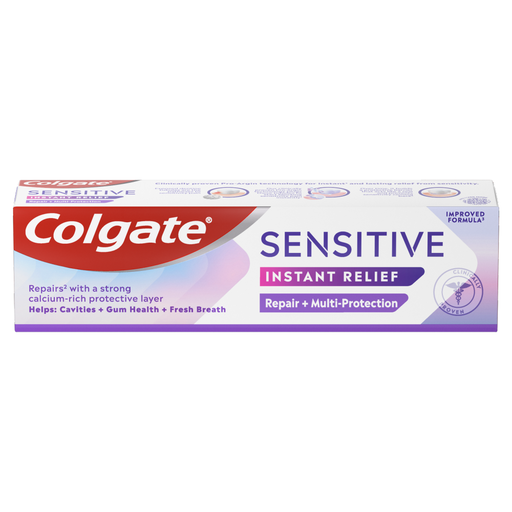
Why This Fits Their Persona: A practical everyday option for households wanting sensitivity care, enamel support, cavity protection and fresh breath in one 75ml tube.
Its ingredient list identifies arginine and sodium monofluorophosphate, so shoppers can assess the formula rather than relying on a vague sensitivity label.
Pro-Argin technology; multi-protection format for daily brushing.
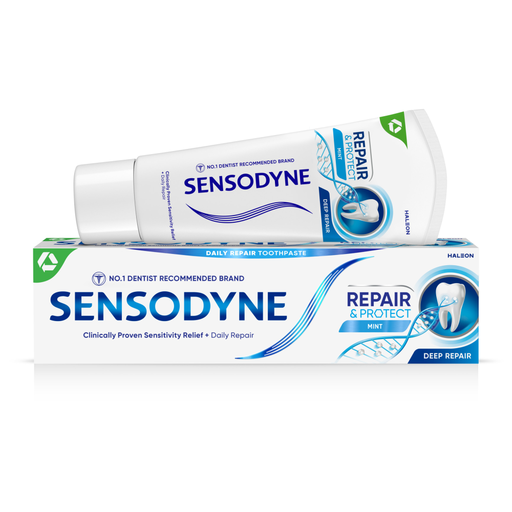
Why This Fits Their Persona: Suits adults seeking a dedicated daily sensitive toothpaste with a familiar 75ml format and fluoride protection.
The product information specifies calcium sodium phosphosilicate and 1,450 ppm fluoride, providing clear technical details behind its sensitivity and cavity-care positioning.
Protective-layer approach; fluoride included for everyday enamel and cavity care.
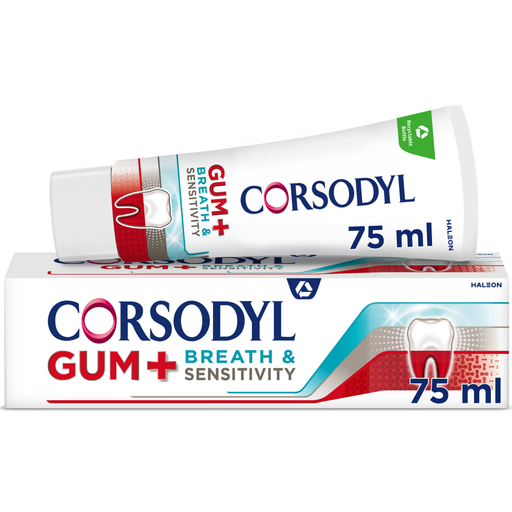
Why This Fits Their Persona: Appropriate for shoppers managing sensitivity alongside gumline plaque and breath concerns in a twice-daily routine.
It lists stannous fluoride and sodium fluoride with a total fluoride level of 1,450 ppm, rather than presenting gum and breath care without routine fluoride information.
Designed for gumline plaque; peppermint and sweet spearmint flavour.
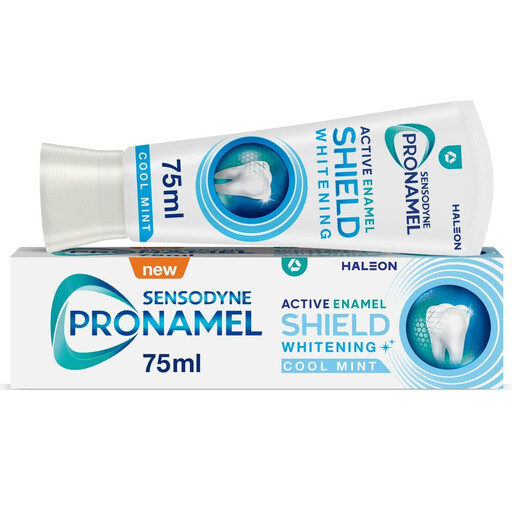
Why This Fits Their Persona: A suitable match for adults who want enamel strengthening toothpaste with gentle surface-stain care as part of everyday brushing.
The product is positioned around acid-resistance and enamel care, while its whitening function is described as removing surface stains rather than changing natural tooth colour.
Potassium nitrate and sodium fluoride; fresh mint flavour and 1,450 ppm fluoride.
People looking for a wider selection of enamel repair toothpaste, gum health toothpaste, whitening options or fluoride toothpaste can browse Joybuy’s restorative dentistry range.
We have compiled a complete, real-time list of products that fully satisfy these strict selection criteria and UK safety regulations.
Most adult sensitive toothpaste products are designed for twice-daily brushing, provided you follow the label instructions. Check the fluoride content, age guidance and ingredient list. If irritation develops, stop using the product and seek dental advice.
The time varies according to the formula and the cause of sensitivity. Use the toothpaste consistently as directed rather than applying large amounts. Sensitivity that persists, worsens or is accompanied by swelling, severe pain or bleeding should be assessed by a dentist.
Whitening toothpaste is generally intended to remove some external stains from products such as tea, coffee and red wine. It cannot reliably alter intrinsic tooth colour. If sensitivity is significant, prioritise a suitable daily formula and discuss stronger whitening treatments with a dental professional.