
24/7 Customer Support

Free returns

Same-day & Next-day Delivery

Quality Guaranteed

Unlock Your Welcome Offers: FREE Delivery | Up to 80% OFF | Free 30-day JoyPlus trial
Download the APP
Choosing toothpaste can seem straightforward until you compare claims about whitening, gum care, enamel protection and “deep clean” performance. A low-priced tube may not suit your needs, while an expensive formula can include features you will not use.
The practical approach is to match the toothpaste to your main concern, check its fluoride content and understand how the formula should be used. The following guide highlights common buying traps and compares suitable options for different households.
Most whitening toothpaste is designed to remove or reduce surface stains caused by tea, coffee, red wine or smoking. It generally cannot change the natural internal colour of teeth in the same way as professional whitening treatments.
Look for clear wording such as “surface stain removal” rather than assuming that an impressive shade claim guarantees a dramatic result. Whitening ingredients such as hydrated silica, perlite or alumina can also feel more abrasive, so people with sensitivity or enamel concerns should choose carefully.
Colgate toothpaste, Oral-B toothpaste, Sensodyne toothpaste and Corsodyl toothpaste may all describe broad protection, but their formulas can focus on different priorities. One may contain stannous fluoride and zinc-related ingredients for plaque-focused care, while another may use potassium nitrate or calcium sodium phosphosilicate for sensitivity-related routines.
Read the ingredient panel and product directions rather than relying only on phrases such as “8-in-1” or “professional protection”. A formula aimed at gum care may not be the most suitable choice for someone mainly concerned with acid erosion or cold sensitivity.
Adult fluoride toothpaste commonly contains around 1,350–1,500 parts per million (ppm) fluoride. Several products in this selection contain 1,450 ppm, but the correct amount and age suitability still matter.
Children should use toothpaste according to UK dental guidance and the product label. Do not assume an adult product is appropriate for a child simply because it is a family-sized tube. Keep toothpaste out of reach and avoid swallowing it.
For most adults seeking daily cavity protection, checking the fluoride level is more useful than judging the packaging design. A product labelled as a fluoride toothpaste should state the concentration or fluoride compound on the packaging.
The products listed here use ingredients including sodium fluoride, stannous fluoride or sodium monofluorophosphate. Colgate Total formulas commonly list 1,450 ppm fluoride from sodium fluoride and stannous fluoride, while some Sensodyne products list 1,450 ppm sodium fluoride.
For sensitive teeth toothpaste, check whether the formula includes an ingredient suited to your routine. Potassium nitrate is used in several products, while Sensodyne Clinical Repair and Sensodyne Repair and Protect list calcium sodium phosphosilicate (NovaMin) at 5% w/w.
For enamel-focused care, Sensodyne Pronamel Active Enamel Shield lists sodium fluoride and potassium nitrate. Enamel strengthening toothpaste can support a consistent brushing routine, but persistent pain, visible damage or sensitivity should be discussed with a dentist.
A deep clean toothpaste may contain hydrated silica, calcium pyrophosphate or cleaning crystals to help remove debris and surface stains. These features do not replace brushing technique, interdental cleaning or regular dental appointments.
Flavour also affects whether you will use a product consistently. Fresh mint toothpaste and fresh peppermint options may suit adults who prioritise a strong clean sensation, while a milder formula may be preferable if intense flavours irritate your mouth.
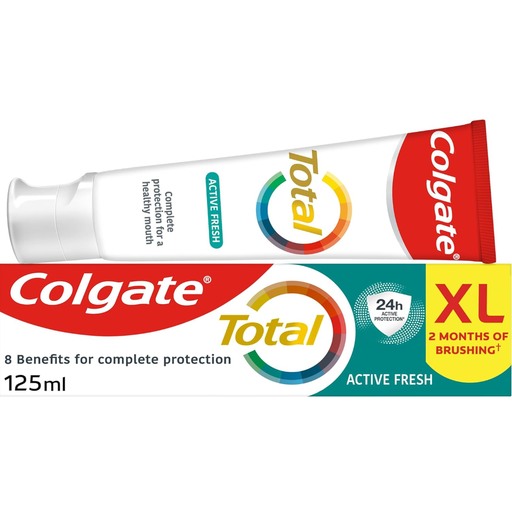
Why This Fits Their Persona: A larger 125ml tube suits everyday household brushing, particularly for shoppers wanting one general-use toothpaste for adults.
The label identifies 1,450 ppm fluoride and lists protection against cavities, plaque, tartar and sensitivity rather than relying only on a whitening message.
Fresh peppermint flavour; vegan and gluten-free formula; sodium and stannous fluoride listed.
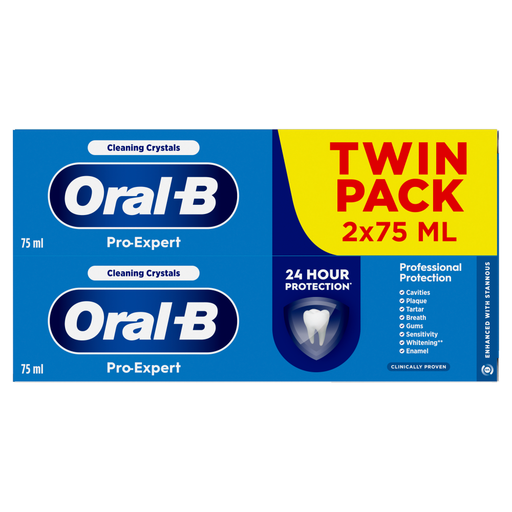
Why This Fits Their Persona: Suitable for adults and older adolescents wanting broad daily care for plaque, tartar, breath, enamel and surface stains.
The ingredient list confirms a stannous fluoride complex and cleaning crystals, giving shoppers specific formula details to compare.
Designed for eight oral-care areas; fruity, minty and lightly cooling flavour profile.
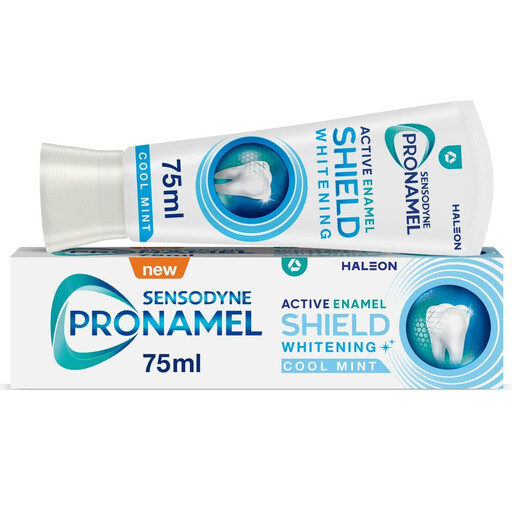
Why This Fits Their Persona: A focused option for adults concerned about dietary acids, enamel care and gentle stain removal.
It is positioned around enamel and acid exposure rather than promising universal whitening, making its intended use easier to identify.
Contains sodium fluoride; includes potassium nitrate and fresh mint flavour.
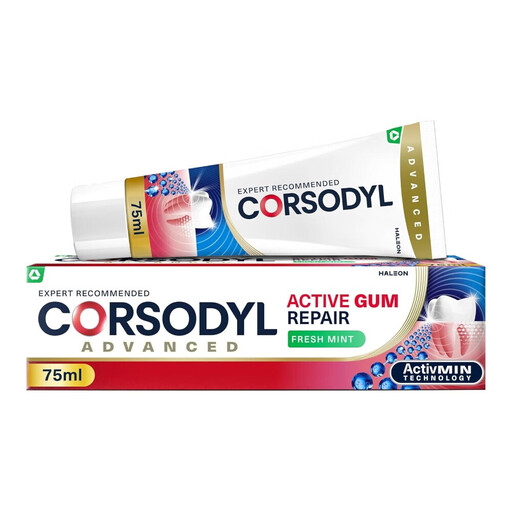
Why This Fits Their Persona: Suits shoppers prioritising gum care, plaque removal and a cooling mint brushing experience.
Its stated purpose is early gum-problem care and plaque bacteria removal, rather than presenting whitening as the main benefit.
Contains sodium fluoride; fresh mint flavour; recyclable tube, carton and cap according to the product information.
We have compiled a complete, real-time list of products that fully satisfy these strict selection criteria and UK safety regulations.
Look for a sensitive teeth toothpaste containing ingredients such as potassium nitrate or calcium sodium phosphosilicate. Sensodyne Clinical Repair Active White, Sensodyne Repair and Protect Whitening and Colgate Sensitive Instant Relief Repair + Multi-Protection are examples with sensitivity-focused formulas. If symptoms continue or worsen, arrange a dental appointment.
Many whitening toothpaste products are formulated for regular use, but follow the specific label directions. They mainly address surface stains, and excessive pressure or frequent use of abrasive formulas may be uncomfortable for some people. Choose a product with fluoride and stop using it if irritation develops.
A 75ml tube may last several weeks for one adult using a pea-sized amount twice daily, although usage varies by brushing habits and whether the tube is shared. A 125ml or larger option can be more practical for families, provided each user follows the correct age guidance.