Finding authentic ingredients for your favourite East Asian dishes in the UK can sometimes be a challenge. If you've been searching for that perfect chewy, satisfying bite for a classic Shanghai stir-fry or a comforting bowl of soup, you're likely looking for Chinese rice cake slices. Known as nián gāo piàn (年糕片), these versatile slices are a staple in many households, but not all are created equal.
Whether you're recreating a family recipe or venturing into Chinese cuisine for the first time, choosing the right product is key. This guide is designed to help you understand the different types of sliced rice cakes available and how to select the ideal pack for your culinary needs. We'll walk you through what to look for and share some of our top recommendations, making it easier than ever to buy rice cake slices online in the UK.
How to Choose the Right Sliced Rice Cakes
Before adding a pack to your basket, consider a few key factors. The right choice depends entirely on what you plan to cook.
1. Texture and Ingredients
The texture of a rice cake is its most important quality. This is largely determined by the type of rice used.
- Glutinous Rice: Products made primarily with glutinous rice cake flour will be softer, stickier and chewier when cooked. This texture is highly prized in sweet soups or dishes where you want the rice cake to be very tender.
- Non-Glutinous Rice (Japonica/Indica): Many nian gao slices use a blend of glutinous and regular rice. This results in a firmer cake that holds its shape better, offering a pleasant chew without being overly sticky. This type is often preferred for stir fry rice cakes as the individual slices remain separate.
2. Storage Format: Frozen vs. Shelf-Stable
You will typically find rice cake slices in two formats, each with its own benefits.
- Frozen: These are often blanched and flash-frozen, which helps to preserve a texture that is very close to fresh. They cook quickly and are ready to use after a brief thaw. They are an excellent choice if you have freezer space.
- Shelf-Stable: These are vacuum-sealed and can be stored in a cool, dry pantry for months. They offer great convenience and are perfect for stocking up. Most shelf-stable varieties require a short soak in warm water before cooking to soften them and ensure they cook evenly.
3. Intended Dish: Hot Pot, Stir-Fry or Soup?
Think about your final dish. For a bubbling hot pot, you'll want slices that can simmer without disintegrating completely, absorbing the flavour of the broth. For a quick and savoury stir-fry, a firmer slice that can withstand high heat and vigorous tossing is ideal. For soups, a softer, quicker-cooking slice might be preferable.
Recommended Chinese Rice Cake Slices
Here are a few carefully selected options available online, each suited to different cooking styles and preferences.
Chang Li Sheng Rice Cake Slice 500g (Frozen)

- Why It Stands Out: Made in Taiwan using traditional methods and premium glutinous rice, these frozen slices deliver an authentically soft and chewy texture. The freezing process helps lock in this desirable quality, making them a convenient option that doesn't compromise on mouthfeel.
- Pros:
- Texture: Exceptionally soft and chewy.
- Ingredients: Made with glutinous rice for a classic taste.
- Convenience: Pre-sliced and frozen; just thaw and cook.
- Versatility: Works well in sweet soups, stir-fries and hot pot.
- Who is it for? Home cooks who prioritise a traditional, soft and tender texture. It's particularly well-suited for those making sweet rice cake soup or a very soft, comforting stir-fry.
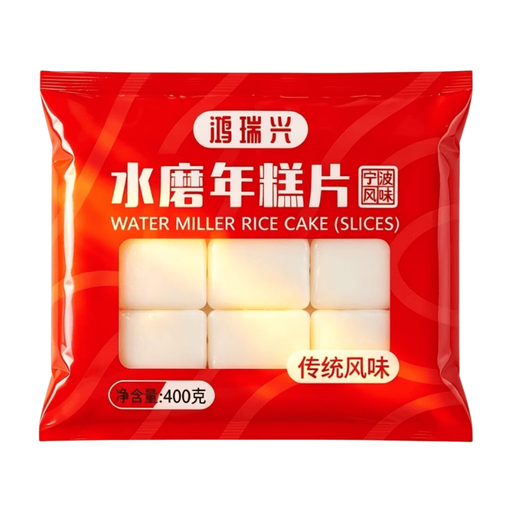
Hongrui Xing Water-Milled Rice Cake Slices 400g

- Why It Stands Out: These shelf-stable slices are made using a blend of glutinous rice (27%) and japonica rice. This combination, along with the water-milling process, creates a rice cake with a satisfyingly firm chew that holds up beautifully to pan-frying, developing a delightful golden-brown, crispy exterior.
- Pros:
- Storage: Shelf-stable and vacuum-packed for long-term pantry storage.
- Texture: Firm and chewy; excellent for pan-frying.
- Ingredients: A balanced blend of rice for a distinct mouthfeel.
- Who is it for? Anyone who loves a crispy-edged rice cake. It's an ideal choice for students or those with limited freezer space who need a reliable pantry staple for quick and easy meals.
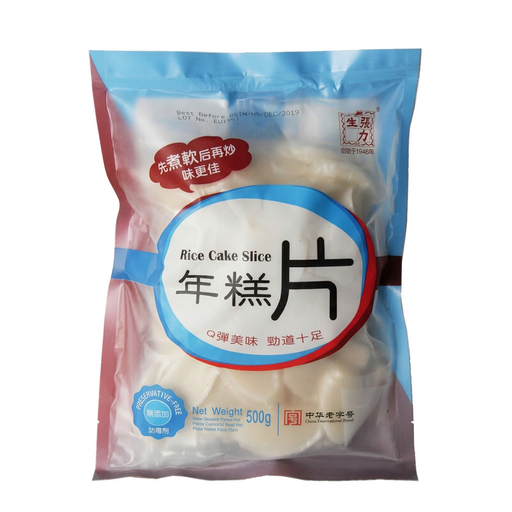
Changlisheng Rice Cake Slices 500g

- Why It Stands Out: This is a quintessential, all-purpose rice cake slice. Made simply from rice and water, it provides a clean, neutral base that is incredibly versatile. As a shelf-stable product, it requires a short soak before use, which allows it to cook up into smooth, chewy slices perfect for a wide range of dishes.
- Pros:
- Simplicity: Made with just two ingredients: rice and water.
- Versatility: A true all-rounder for stir fry rice cakes, soups and rice cakes for hot pot.
- Storage: Conveniently shelf-stable.
- Who is it for? The practical home cook looking for a reliable, multi-purpose nian gao slice to keep in the cupboard. It's a dependable choice for almost any recipe you have in mind.
Explore More Rice Cake Options
If you're curious about other shapes, sizes or regional styles of rice cakes, our selection doesn't end here. From thick cylinders for Korean tteokbokki to other unique varieties, there is more to discover.
Browse our full range of sliced cake products to find the perfect match for your next culinary adventure.
Frequently Asked Questions about Chinese Rice Cake Slices
1. How do you prevent rice cakes from sticking together when cooking? For shelf-stable rice cakes, soaking them in warm water for 10-15 minutes before cooking helps separate them. When stir-frying, ensure your wok or pan is hot and use enough oil. For soups or hot pot, add the slices to a boiling broth and stir gently to keep them from clumping at the bottom.
2. What is the difference between Chinese and Korean rice cakes? While both are made from rice and are characteristically chewy, their typical shapes differ. Chinese nian gao slices are almost always thin, oval discs. Korean rice cakes (tteok) are more varied, with the most common types being thick cylinders (for tteokbokki) or similar oval slices (for tteokguk, or rice cake soup). The specific rice varieties and preparation methods can also result in subtle textural differences.
3. Do I need to soak sliced rice cakes before cooking? It depends on the product. Frozen rice cakes usually do not require soaking and can be cooked after a brief thaw. Shelf-stable, vacuum-packed rice cakes almost always benefit from a short soak (around 15 minutes) in warm water. This rehydrates them, ensuring they cook faster and more evenly. Always check the package for specific instructions.