Shoppers avoiding a named allergen
If you need to avoid milk, soya, sesame or another specific allergen, check the exact product’s ingredients and precautionary statement. A broad dietary label does not answer every allergy question.


Choose tortilla chips by the allergen you need to avoid before judging their value. Check the current pack’s ingredients and any precautionary allergen statement: a gluten-free product can contain milk, and vegan labelling alone does not address cross-contact. Compare pack sizes only among products that meet your requirements.
If you need to avoid milk, soya, sesame or another specific allergen, check the exact product’s ingredients and precautionary statement. A broad dietary label does not answer every allergy question.
A gluten-free claim can help narrow your choices, but check the current pack against any other ingredients you need to avoid. Sainsbury’s lists milk ingredients in its Cool Tortilla Chips despite the product being gluten-free.
Check each flavour and variant against every person’s requirements. Seasonings and alternative ingredients can change which allergens appear in the ingredients or precautionary statement.
Identify the allergen to avoid, check the exact pack, then compare the remaining options on a consistent basis.
| Priority | What to check | Your needs |
|---|---|---|
| Named allergens | Read the current ingredients for the allergen you need to avoid. Check any precautionary statement separately; the Food Standards Agency describes this labelling as a warning that an allergen could be unintentionally present. | I need the exact product to fit the allergen being avoided, not just carry a broadly relevant dietary label. |
| Flavour and recipe | Check the specific flavour and base ingredients. Sainsbury’s lists milk ingredients in its gluten-free Cool Tortilla Chips; Waitrose lists soya flour and a sesame precautionary statement for its High Protein Salt & Vinegar Popped Tortillas. | A different flavour or an alternative-base chip may change which ingredients I need to consider. |
| Dietary claims | Use claims such as gluten-free or vegan for the characteristic they describe. Check the full ingredients and precautionary statement for other relevant allergens. | If I’m avoiding milk, a gluten-free or vegan label alone does not settle my choice. |
| Comparable packs | Confirm that each product passes your allergen checks before comparing pack weights. Check the current pack rather than assuming a previous purchase has the same recipe. | I want to compare options I can actually use, rather than count an unsuitable bag as an alternative. |
Gluten-free does not mean milk-free. Sainsbury’s Cool Tortilla Chips, for example, list several milk ingredients.
Start with the allergen you need to avoid and read the exact pack’s ingredients and allergen information.
A vegan label does not, by itself, address possible cross-contact with an animal-origin allergen. The Food Standards Agency’s research distinguishes vegan labelling from allergy information.
Check the ingredients and any precautionary allergen statement, even when the product is labelled vegan.
A pack that contains an allergen you must avoid is not an interchangeable choice, whatever its size.
Rule out products that fail your ingredient and precautionary-statement checks before comparing the remaining packs.
Waitrose’s High Protein Salt & Vinegar Popped Tortillas list soya flour and a “may contain” sesame statement. An alternative base does not remove the need for an allergen check.
Read both the ingredient list and precautionary statement for each product and flavour.
These examples show why allergy information needs checking by product and flavour, rather than by retailer or brand alone.
Its listed range includes Free From Nacho Tortilla Chips and standard flavoured tortilla chips.
Waitrose lists its Blue Maize Tortilla Chips as a specialist free-from option.
Its listed tortilla-style snacks include products made with alternative ingredients.
The selected M&S listings illustrate how allergen information can differ between tortilla-chip flavours.
Its Free From Crisps & Tortilla Chips category can help shoppers discover products to investigate further.
These options include tortilla chips and other savoury chips. If you specifically want corn tortilla chips, distinguish those from the hummus, lentil, cassava and rice-and-bean alternatives before checking each pack against your allergen requirements.
 No image available
A hummus-chip alternative rather than a corn tortilla chip. If celery is among the allergens you avoid, check the current pack’s precautionary statement before choosing the 110g bag.
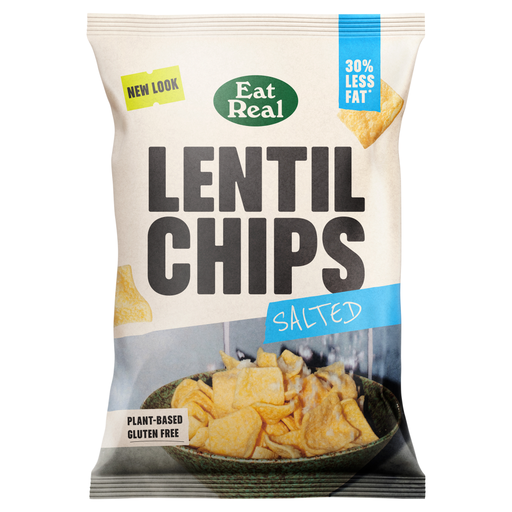 No image available
This 95g lentil-chip option is not a corn tortilla chip. Shoppers avoiding soya or celery should check the current pack’s precautionary statement before considering it.
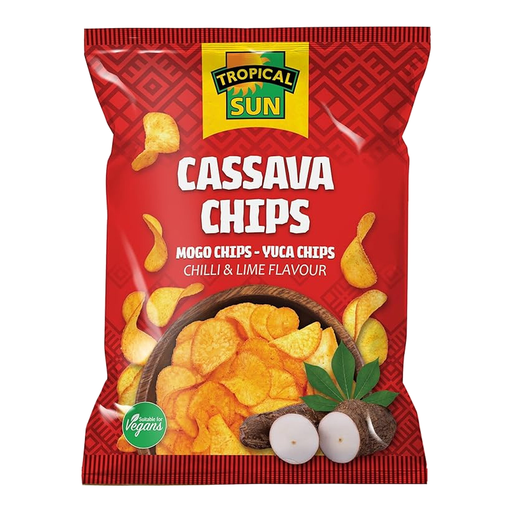 No image available
These are cassava chips, not corn tortilla chips. Check the 80g pack’s current ingredients and allergen information for every allergen relevant to your household.
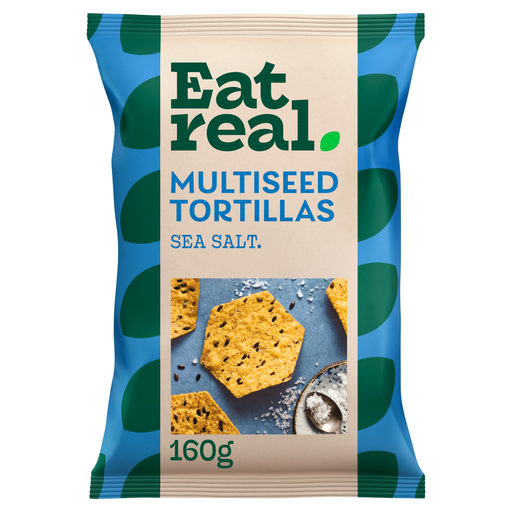 No image available
For the 160g tortilla-chip option, check the current pack’s gluten-free claim, ingredients and precautionary allergen information against your requirements. Vegan labelling alone does not settle a milk-allergy question.
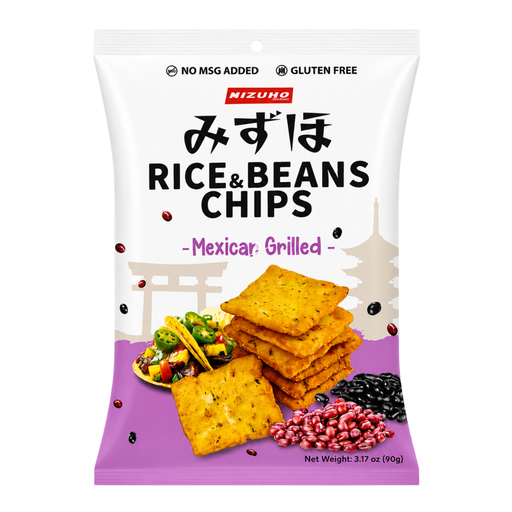 No image available
This 90g rice-and-bean chip is not a corn tortilla chip. Its product information identifies soybeans and flags precautionary statements concerning wheat, milk and sesame; check the current pack for the full list before considering it.
No. Gluten-free addresses gluten, not milk. Sainsbury’s gluten-free Cool Tortilla Chips list milk ingredients, including whey and buttermilk powders, so check the current ingredients for the allergen you need to avoid.
No. Vegan labelling alone does not answer whether cross-contact with milk is possible. Check the full ingredients and any precautionary allergen statement on the current pack.
It is a precautionary statement about an allergen that could be unintentionally present, rather than a declared ingredient. The Food Standards Agency describes precautionary allergen labelling in those terms; consider the statement in light of the specific allergen you need to avoid.
Use it to narrow your choices, then check the physical pack before eating. Sainsbury’s, Waitrose and M&S advise shoppers that product or allergen information can change.
Compare them after checking that each product meets the relevant allergen requirements. A bag containing an ingredient you must avoid is not an interchangeable option, even if its pack size looks attractive.