Day hikers happy to portion a sharing bag
A larger bag lets you pack the amount you intend to eat. Divide it before setting off and protect the portion from being crushed in your rucksack.


For a day hike, choose a sharing bag if you are happy to portion the chips into a protected container; choose a multipack if separate sealed servings are more useful. Check the exact flavour against any dietary requirements, and plan the rest of your food and water around the route and weather.
The useful distinction is whether you want to divide a larger bag yourself, carry sealed servings or check a particular dietary label.
A larger bag lets you pack the amount you intend to eat. Divide it before setting off and protect the portion from being crushed in your rucksack.
A multipack offers individually sealed portions that can be handed out while the remaining packs stay unopened. Check the weight of each pack when planning how much to carry.
Read the ingredients, stated dietary claims and precautionary allergen information on the exact flavour. A corn-based name alone does not establish whether a product meets your requirements.
Decide how you will carry and divide the chips, then check the label of the pack you intend to take.
| Priority | What to check | Your needs |
|---|---|---|
| Portions and packing | Compare the total pack weight with the weight of each sealed serving, if provided. For an opened sharing bag, check its storage instructions and use a container that protects the chips in your rucksack. | I can divide a bag before leaving, or I would rather carry separate packs to share during the walk. |
| Route planning | Plan the amount and variety of food for the route, duration, weather and space in your pack. The British Mountaineering Council advises that these conditions affect snack planning. | On a longer or more demanding day, I need to plan all the food I will carry rather than rely on one snack. |
| Salt and water | Compare salt figures on the same basis, such as per 100 g or per serving. Carry water for the route and conditions independently of your snack choice, as the British Mountaineering Council advises. | I want to know the salt in the portion I pack and have enough water planned for the walk. |
| Dietary fit | Read the ingredients and precautionary allergen statements for the exact product and flavour. Look for an explicit gluten-free, vegan or vegetarian statement if that distinction matters to you. | Before packing a flavour, I need to check that its own label fits my dietary requirements. |
Tortilla chips do not change how much water you need to carry for the route, activity and weather.
Plan drinks separately and check the salt declaration for the portion you intend to eat. The British Mountaineering Council advises carrying water suited to the time and conditions of the walk.
Ingredients and precautionary statements differ between products. Waitrose & Partners lists milk in Doritos Cool Original multipacks and warns that they may contain cereals containing gluten; its Old El Paso Original listing states that product is gluten free.
Check the exact pack and flavour before buying and again before packing, rather than relying on another product’s label.
Chips can be crushed in a tightly packed rucksack, and storage after opening affects their quality.
Portion an opened bag into a protective container and follow its storage instructions. Keep any unopened packs protected until your break.
These examples show why pack format and the exact product label matter more than a brand name alone.
Essential Tortilla Chips Salted is a 200 g sharing bag for walkers who prefer to divide their own portions.
Cool Original is listed by Waitrose & Partners as five individually packed 30 g servings.
The Original Tortilla Chips listing is a 185 g pack with an explicit gluten-free statement.
M&S lists both Cantina Tortilla Chips and Cool Sweet Potato Tortilla Chips as vegetarian and gluten free.
Tesco Groceries lists 200 g Lightly Salted, Nacho Cheese Flavour and Cool Flavour tortilla chips.
These tortilla chip options include sharing bags for self-portioning and a multipack with five 30 g servings. Compare the exact product labels and the format you want to carry.
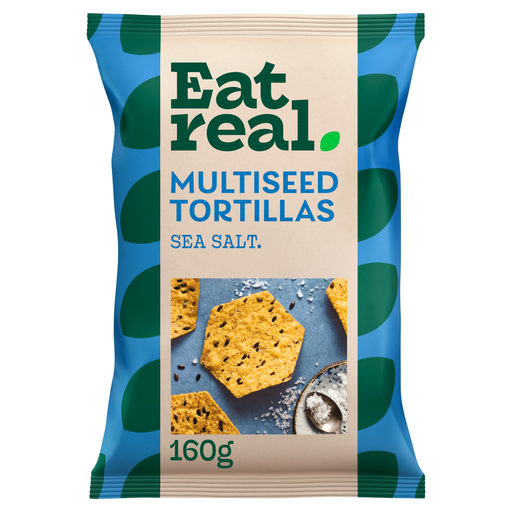 No image available
A 160 g sharing bag that you can portion before a walk. Check the exact pack’s ingredients and storage instructions before packing it.
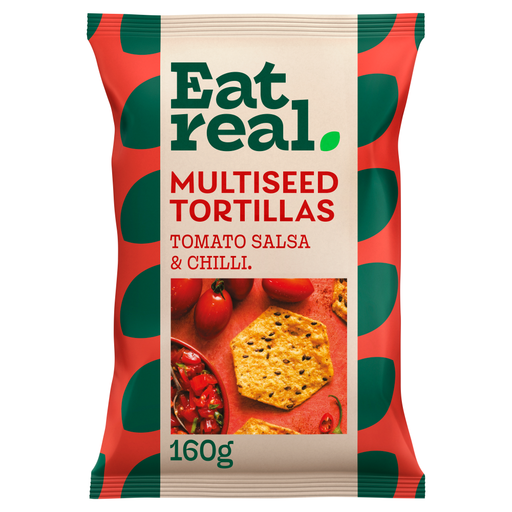 No image available
This 160 g sharing bag can be divided into trail portions. Read this flavour’s label for ingredients and dietary information rather than relying on another Eat Real variety.
 No image available
A 180 g pack for dividing into portions before a walk. Check the Chilli Heatwave label itself for allergens and instructions for storage after opening.
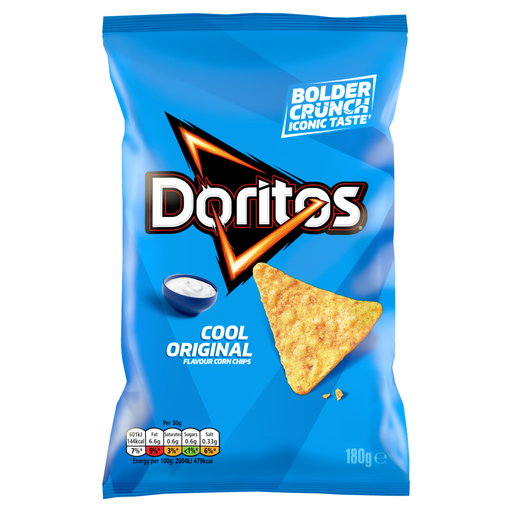 No image available
This 180 g pack suits self-portioning rather than carrying individual sealed servings. Check its own label: information for the Cool Original multipack should not be assumed to apply to this pack.
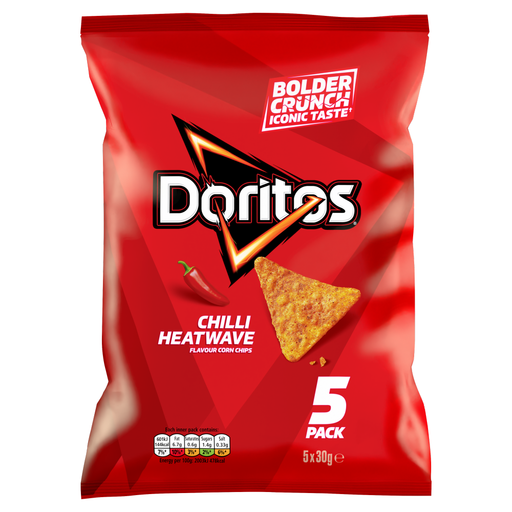 No image available
Five separate 30 g packs offer defined servings for sharing or spreading across breaks. Check the Chilli Heatwave multipack’s own ingredients and allergen statements.
Plan your full food selection around the walk rather than relying on tortilla chips alone. The British Mountaineering Council advises that route duration, weather and pack limits affect which snacks and how much food to take.
Choose a sharing bag if you want to divide the amount you carry yourself and can protect it after opening. A multipack makes more sense when separate sealed servings are useful for breaks or group sharing.
No: plan water for the route, weather and time you will be active, independently of the chips you choose. The British Mountaineering Council advises walkers to carry enough water for those conditions and drink regularly.
No. Check the exact pack for a gluten-free statement and its ingredient and precautionary allergen information. Waitrose & Partners lists Old El Paso Original as gluten free, while its Doritos Cool Original multipack listing warns that the product may contain cereals containing gluten.
Protect unopened packs from being crushed, and follow the label’s storage instructions once a bag is opened. GOV.UK explains that a best-before date concerns quality and that poor storage can reduce food quality before that date.