Shoppers comparing fat content
If you want something crunchy and ready to eat, check whether you need a product that qualifies as low fat or simply one with less fat than a conventional tortilla chip. Those are different comparisons.


For a quick breakfast, treat tortilla chips as a portioned accompaniment rather than the whole meal. If reducing fat is the priority, compare products per 100g: Waitrose’s popped tortilla product lists 13g fat per 100g, below the conventional examples here, but it does not meet the UK low-fat claim threshold of 3g per 100g for solid foods, stated by the Department of Health and Social Care. A small serving or a “lightly salted” name does not establish that a product is low in fat.
If you want something crunchy and ready to eat, check whether you need a product that qualifies as low fat or simply one with less fat than a conventional tortilla chip. Those are different comparisons.
A measured portion of chips can be one part of breakfast. If you are taking food with you, consider what else you can pack rather than treating a sharing bag as a single meal.
Recipes differ between plain, flavoured and popped products. Read the ingredient and allergen information on the exact pack, particularly if milk, soya or wheat matters to you.
Start with the fat figure per 100g to compare recipes, then check the amount you would take for breakfast and the other details on that pack. A lower-fat comparison is not the same as a low-fat claim.
Choose this route: If meeting the defined low-fat claim threshold is essential to your decision.
Check: For a solid food, the Department of Health and Social Care states that a low-fat claim requires no more than 3g fat per 100g; neither the conventional nor the popped examples discussed here meet that threshold.
Choose this route: If less fat than the conventional examples is enough and the product’s ingredients suit you.
Trade-off: Waitrose lists 13g fat per 100g for its High Protein Salt & Vinegar Popped Tortillas, alongside 1.21g salt per 100g; check both figures and the allergen declaration.
Choose this route: If you want tortilla chips as a small, convenient part of breakfast rather than as a way to reduce fat.
Trade-off: The conventional examples from Waitrose and Sainsbury’s list 20g to 23g fat per 100g, and their sharing bags contain more than one serving.
| Priority | What to check | Your needs |
|---|---|---|
| Fat comparison | Compare fat per 100g, then fat and saturates for the stated serving. For a UK low-fat claim on a solid food, the Department of Health and Social Care gives a limit of 3g fat per 100g. | I want to know whether a different recipe contains less fat, without mistaking that for a low-fat claim. In the Food Standards Agency and Ipsos Northern Ireland’s 2022 tracker, around 51% of those surveyed said they would be more likely to buy food reduced in saturated fat than the regular version; that was a stated food-shopping likelihood, not a tortilla-chip purchase measure. |
| Portion | Read the labelled serving weight and number of servings in the bag. Waitrose lists 7–8 servings for Doritos Dip or Load Salted and eight for Essential Salted Tortilla Chips. | For breakfast on the move, I would rather pack an amount I have chosen than eat from a sharing bag. |
| Label details | Check energy, fat, saturates and salt per 100g and per serving. Where traffic-light labelling appears, use it alongside the nutrition table, not instead of it. | I want a quick way to compare packs without losing sight of the figures. In the Food Standards Agency and Ipsos Northern Ireland’s 2024 Making Food Better Tracker, 49% of 611 respondents interviewed from September to November said they actively used traffic-light labelling when shopping for food; this was about food shopping generally, not tortilla chips. |
| Breakfast variety | Decide what will accompany the chips. The Eatwell Guide advises eating foods high in fat, salt or sugar less often and in small amounts. | If chips provide the crunch, I still want other foods in my breakfast rather than relying on the chips alone. |
| Ingredients | Read the exact pack’s ingredients and allergen statement. Doritos UK lists milk ingredients in Tangy Cheese and a precautionary statement for soya and wheat or other cereals containing gluten. | When a particular ingredient matters to me, the flavour and current pack matter more than an assumption about tortilla chips as a category. |
Neither description establishes fat content. M&S lists 21.9g fat per 100g for its Lightly Salted Tortillas, while Waitrose lists 13g for its popped tortilla product. Both exceed the Department of Health and Social Care’s 3g-per-100g threshold for a low-fat claim on a solid food.
Check the per-100g nutrition figure when fat reduction matters; use “lower in fat” only when comparing specified products on that basis.
Waitrose lists 7–8 servings in the Doritos Dip or Load Salted bag and eight in the Essential Salted Tortilla Chips bag. Pack weight and serving weight answer different questions.
Check the serving size and put the amount you intend to take into a separate container before leaving.
A recipe with less fat can still have salt or ingredients that matter to your choice. Waitrose lists 1.21g salt per 100g for its High Protein Salt & Vinegar Popped Tortillas; flavoured products may also have different allergen declarations.
Compare salt and read the exact pack’s ingredients, then consider what else you are having for breakfast.
These examples help distinguish recipes and pack formats; a brand name alone does not establish a product’s fat content or whether it appears in the Joybuy options below.
Doritos includes flavoured tortilla chips and salted sharing-bag products; compare the particular flavour and pack.
The Essential Salted tortilla chips and High Protein Salt & Vinegar Popped Tortillas provide two distinct recipes to compare.
Its Salted Tortilla Chips are a conventional 200g bag, rather than an individually portioned breakfast pack.
Lightly Salted Tortillas are a conventional tortilla-chip option. The name refers to seasoning, not fat content.
These options include a portioned corn snack, popped potato crisps and conventional tortilla chips. The corn and potato snacks are alternatives in shape and ingredients, not tortilla-chip equivalents; check each pack before choosing one for a lower-fat comparison.
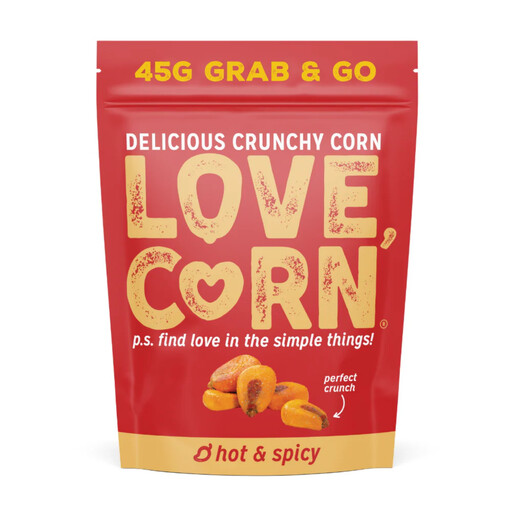 Image unavailable
The individual 45g bags are convenient if you want to take a defined amount with breakfast. This is a corn-kernel snack, not a tortilla chip; check the pack’s nutrition and allergen information for your choice.
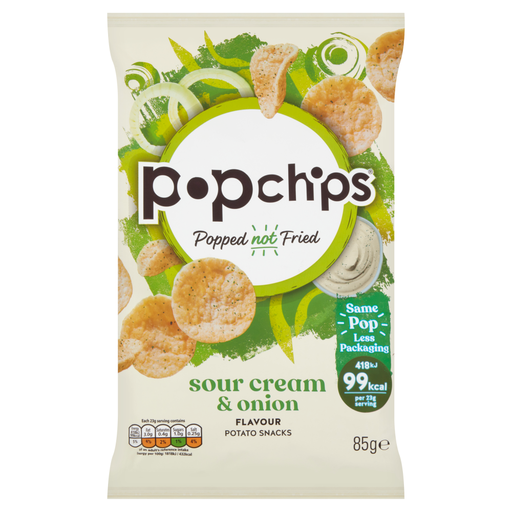 Image unavailable
These are popped potato crisps, not corn tortilla chips. If you are considering them as a crunchy breakfast accompaniment, compare the per-100g nutrition figures and choose a portion from the 85g bag.
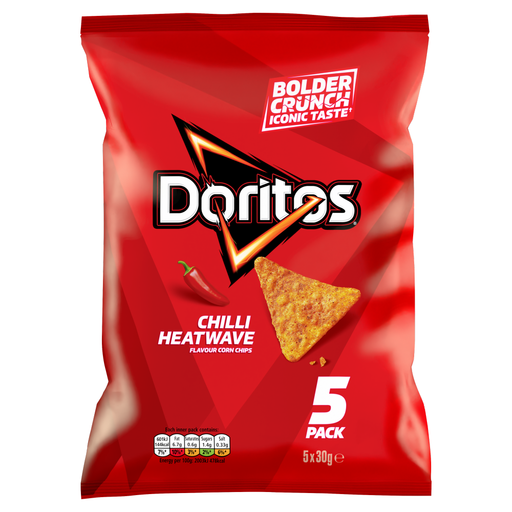 Image unavailable
Five individual 30g bags make it straightforward to take one portion of tortilla chips. The pack format does not make the recipe reduced fat; check its per-100g figures and allergen declaration.
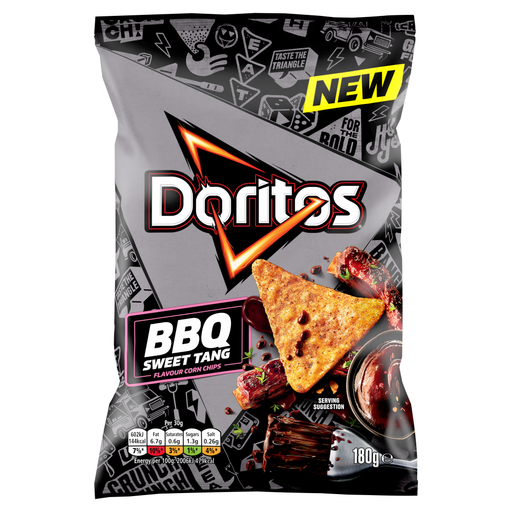 Image unavailable
This 180g bag is a conventional tortilla-chip option for a breakfast accompaniment. Choose the amount separately from the bag size, and use the exact pack’s nutrition and allergen information when comparing flavours.
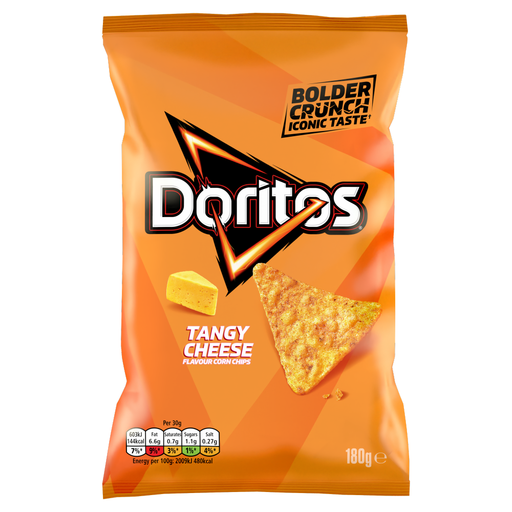 Image unavailable
For a quick breakfast, portion these tortilla chips from the 180g bag rather than using the bag as a serving. Doritos UK lists milk ingredients for Tangy Cheese and says it may contain soya and wheat or other cereals containing gluten; check the current pack.
No. The wording describes seasoning, not a fat comparison. M&S lists 21.9g fat per 100g for its Lightly Salted Tortillas; the Department of Health and Social Care states that a solid food making a low-fat claim must contain no more than 3g fat per 100g.
Compare fat per 100g first, then check the stated serving, salt and ingredients. Waitrose lists 13g fat per 100g for its High Protein Salt & Vinegar Popped Tortillas and 22.1g for Essential Salted Tortilla Chips; Sainsbury’s lists 23g for its Salted Tortilla Chips. Those figures describe these particular products, not every popped or conventional recipe.
For this grab-and-go choice, a measured portion works better as one component than as the whole breakfast. The Eatwell Guide advises having foods high in fat, salt or sugar less often and in small amounts; consider other foods that suit your breakfast plans alongside the chips.
Read the exact current pack before choosing a flavour. Doritos UK lists milk ingredients in Tangy Cheese and says it may contain soya and wheat or other cereals containing gluten. Do not apply one flavour’s declaration to another product.
Start with fat per 100g so different serving sizes do not obscure the recipe comparison, then read the serving figures, saturates and salt. UK nutrition-labelling guidance published by GOV.UK describes per-100g nutrition information; the Food Standards Agency explains that traffic-light labels, where present, indicate levels of fat, saturates, sugars and salt.