
24/7 Customer Support

Free returns

Same-day & Next-day Delivery

Quality Guaranteed

Unlock Your Welcome Offers: FREE Delivery | Up to 80% OFF | Free 30-day JoyPlus trial
Download the APP
Choosing toy vehicles for children can look simple until you compare battery requirements, small parts, age guidance, storage needs and the type of play involved. A colourful box does not always tell you whether a toy will suit a toddler, survive regular use or remain interesting after the first afternoon.
Parents, grandparents and gift buyers should look beyond appearance and check how the vehicle works, where it can be used and what supervision it requires. The following guide highlights common purchasing traps, practical specifications and suitable options for different users.
Model cars and collectible vehicles can look impressive but may be designed mainly for display. A die-cast vehicle with opening doors and pull-back movement may suit a teenager or collector, yet be unsuitable for a young child because of its small parts or intricate construction.
For younger children, look for large, easy-to-grip shapes, moving features and simple ways to start play. Construction truck toys, pull-along vehicles and train sets for kids often provide more accessible hands-on interaction than delicate display models.
Remote control cars and ride-on toys can involve more ongoing upkeep than ordinary friction-powered vehicles. Buyers should check whether batteries are included, how long charging takes, what the controller needs and whether replacement batteries or a compatible charger may be required.
A toy that uses standard AA batteries may be convenient for occasional play, while a rechargeable ride-on vehicle needs a suitable charging routine and safe storage. Always follow the supplied charging instructions and keep chargers away from children.
A vehicle may be marketed as a gift for children but still contain small parts, require adult assembly or need a large, clear area. Remote control cars can be difficult to operate around furniture, pets and fragile items. Ride-on toys may need a flat private surface and should not be used on public roads.
Age guidance is not merely a recommendation for difficulty. It can relate to choking hazards, speed, stability and the child’s ability to control the toy safely.
Check the stated age range first. Toys containing small pieces should be kept away from children under three, and building sets with many parts may need adult supervision even when intended for older children.
For example, the VTech Baby Dash 'n' Deliver Scooter is listed for children aged 12 months to three years, while the included parcel and interactive components still require direct adult supervision. Building sets such as the WANGE Boxer armoured vehicle are intended for older children and contain small particles.
For everyday play, inspect the material description and the parts most likely to receive impact. ABS plastic, reinforced wheels and sturdy joints can be useful features in construction truck toys, although no toy is indestructible.
For RC vehicles, check the drive system, wheel design and control type. Four-wheel drive can help a crawler handle uneven surfaces, while proportional steering and throttle offer more gradual control than basic on/off operation. These details matter if the vehicle will be used outdoors or on carpet.
Dimensions affect storage, indoor manoeuvrability and whether a child can comfortably handle the toy. A large carrier truck may offer more vehicles and accessories but need more floor space. A compact model car or small RC vehicle can be easier to use indoors.
For ride-on toys, check maximum speed, load limit, wheel clearance and stability. The Neuleb electric wiggle car is listed with a 12V rechargeable battery, adjustable speeds and a maximum load of approximately 72kg. It should be assembled and checked by an adult, used with protective equipment and kept away from roads, slopes and stairs.
In Great Britain, check the packaging and product information for appropriate conformity marking, safety instructions and manufacturer or UK responsible-person details. Toys should be used exactly as directed, with packaging and loose components removed before giving them to a child.
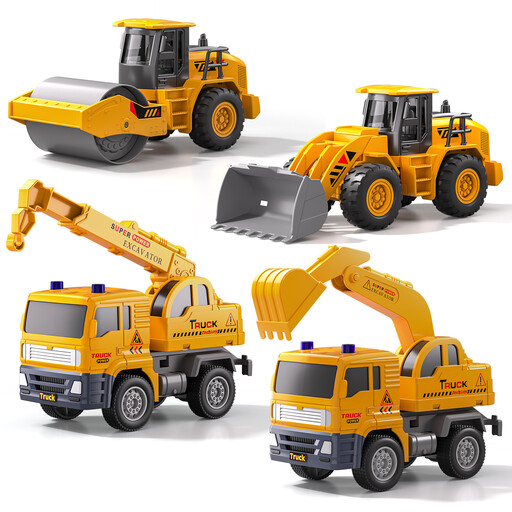
Why This Fits Their Persona: A battery-free four-piece set gives younger children several vehicles for indoor or outdoor pretend construction play without charging or controller setup.
Friction-powered movement avoids hidden battery costs, while the stated age suitability of three years and above helps buyers match the set to the intended user.
Includes an excavator, crane, bulldozer and road roller; large non-slip tyres are specified for varied surfaces.
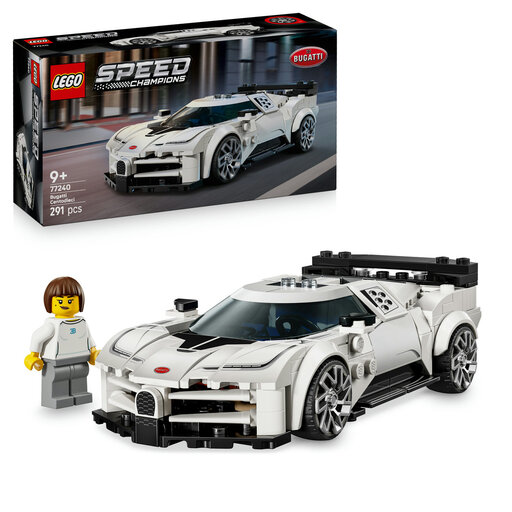
Why This Fits Their Persona: Suitable for children aged nine and above and adult car enthusiasts who value a structured build followed by shelf display.
The 291-piece count and stated age guidance set clearer expectations than a vehicle chosen solely for its appearance.
Includes a driver minifigure and recognisable vehicle details such as air intakes, rear wing and four tailpipes.
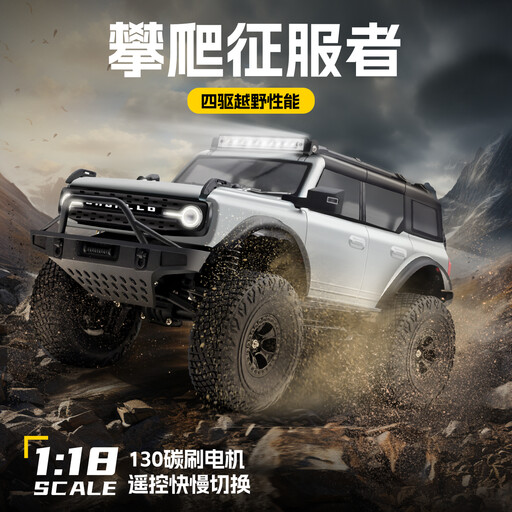
Why This Fits Their Persona: A practical match for older children, teenagers or hobby users who want remote control driving on indoor obstacles and backyard terrain.
Its 1:18 scale and four-wheel-drive specification make the intended environment clearer than a generic RC car listing.
Four-wheel drive supports traction on uneven ground; proportional control allows more precise steering and throttle input.
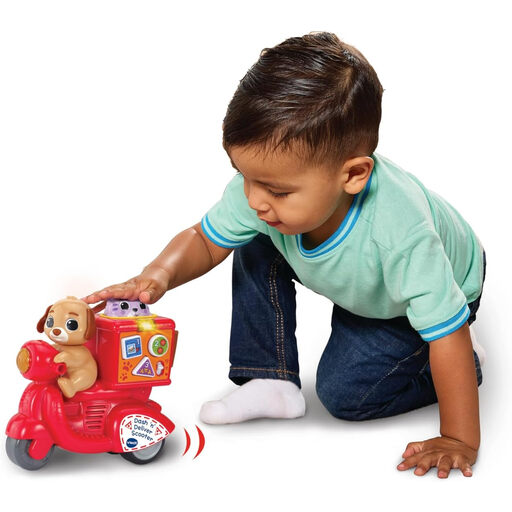
Why This Fits Their Persona: Designed for children aged 12 months to three years, this walker-to-ride-on format suits active pretend play at home.
The product details state the age range, supervision requirement, battery needs and warning against public-road use, helping avoid unsuitable outdoor use.
Offers interactive buttons, sounds, melodies and a shape-sorting parcel compartment; it requires two AA batteries, not included.
We have compiled a complete, real-time list of products that fully satisfy these strict selection criteria and UK safety regulations.
Choose a vehicle with an appropriate age rating, large components and simple controls. Pull-along toys, chunky construction vehicles and suitable walker-to-ride-on designs are generally easier for toddlers than remote control cars or detailed model cars. Direct adult supervision remains important.
Running cost depends on the battery type, charging system and frequency of use. Check whether the vehicle battery and controller batteries are supplied, whether a charger is included and how replacement parts are obtained. Rechargeable models can reduce repeated disposable-battery purchases, but the battery still needs safe charging and eventual replacement.
Store vehicles away from damp conditions, remove dirt from wheels and moving parts and avoid surfaces that exceed the product’s intended use. For battery-powered toys, follow charging instructions and remove batteries when recommended. Inspect screws, wheels, steering and folding mechanisms regularly, stopping use if a vehicle is damaged.