Direct-on-image tracers
If following an outline feels easier with the pen tip on the displayed scan, consider a pen display. The Wacom, Huion and XPPen product lines described below illustrate this route; check each model’s connection requirements.


A compact screenless pen tablet is enough if you are comfortable drawing while watching your main monitor. Choose a pen display if placing the pen directly over the visible scan matters more than keeping your desk setup compact. In either case, check the connection requirements and whether your drawing app can import the scan as a layer or reference image; a higher pressure-level figure alone does not settle the choice.
The useful distinction is where you want to look while drawing: at the surface under your pen, or at a separate monitor.
If following an outline feels easier with the pen tip on the displayed scan, consider a pen display. The Wacom, Huion and XPPen product lines described below illustrate this route; check each model’s connection requirements.
If you can coordinate the pen with an image on your existing monitor, a compact screenless tablet avoids adding another display to the desk. Wacom offers One by Wacom in small and medium sizes.
If you trace batches of scans, think about how often you zoom, undo or change brushes. Controls such as those listed by XPPen can help organise repeated actions, while Krita documents image layers and reference images for keeping the scan separate from new linework.
Decide whether drawing on the visible image is important to you before comparing desk space, controls and software workflow. The concerns below describe different primary needs among consumers choosing a tablet to trace scans at a home-office desk.
| Concern | What to check | Who this matters to |
|---|---|---|
| Pen-to-image alignment | Decide whether drawing on the displayed scan warrants a pen display and its connection setup. If considering one, check its stated screen surface and size. | If I follow fine outlines, I may find it easier to place the pen directly over the image than to watch a separate monitor. Around 46% of consumers put that direct alignment first. |
| Desk space | For a screenless tablet, compare small and medium working areas with the space available and the strokes you make; confirm compatibility with your computer. | With limited room beside my monitor, I would rather adapt to indirect drawing than add another screen. Roughly 27% of consumers prioritise a compact desk setup. |
| Repeated edits | Check configurable controls and whether your chosen app can import a scan as a layer or reference image and keep traced lines separate. | When I clean up several scans, frequent zooming, undoing and switching tools can interrupt my work. About 27% of consumers put that repeated-workflow need first. |
The computer-connected Huion and XPPen pen displays discussed here need an appropriate host connection. A screen under the pen does not, by itself, make a model a standalone tablet.
Check the exact model’s host-device, operating-system, video and cable requirements against your home-office setup before ordering.
A pressure specification does not tell you whether following scanned outlines will feel easier. Wacom Community notes that many people find it difficult to distinguish between 4,096 and 8,192 levels.
Settle the screenless-versus-screen decision first, then consider pen comfort, drawing area and the brush settings you will actually use.
Combining the imported image and new lines makes it harder to adjust or remove either part later. Krita documents importing an image as a layer and loading one as a reference image.
Keep the scan as a separate layer or reference and draw the traced lines on another layer.
Drawing tablets and their electronic accessories need consideration when they reach the end of their useful life. GOV.UK describes electrical-waste collection in the context of reducing disposal to landfill or incineration.
Check an appropriate local collection or retailer route for the device rather than assuming it belongs with general household waste.
These product lines illustrate screenless and computer-connected display options; their listed features should be checked against the exact model and setup you intend to use.
One by Wacom offers a screenless route, while Wacom One 12 is a pen-display option.
The Kamvas 13 is a computer-connected pen display for drawing on a visible image.
The Artist 13.3 Pro V2 pairs a pen display with physical controls for repeated drawing actions.
These TECLAST ArtPad Pro tablets have screens and pen-drawing features relevant to working over a visible image. They are a different purchase route from the screenless tablets and computer-connected pen displays discussed above. For tracing scans, check that an app available for the exact tablet can import your image and keep new lines on a separate layer.
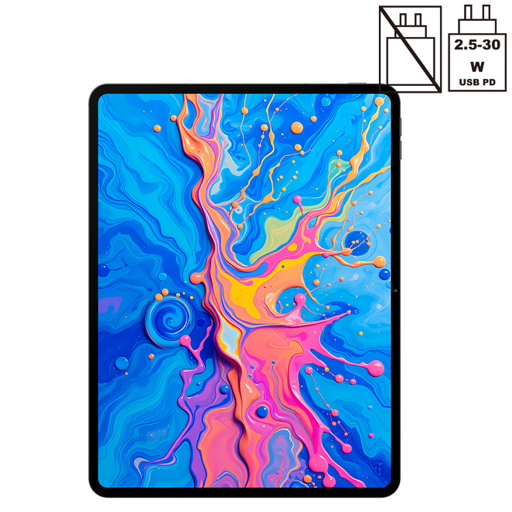 No image available
Consider this screen-equipped model if you want to draw on the displayed image, provided your chosen app supports importing scans and separate tracing layers.
The listing specifies a 12.7-inch 2K display, Android 15 and T-Pen drawing support with 4,096 pressure levels. Check whether the pen and any desk accessories you need are included.
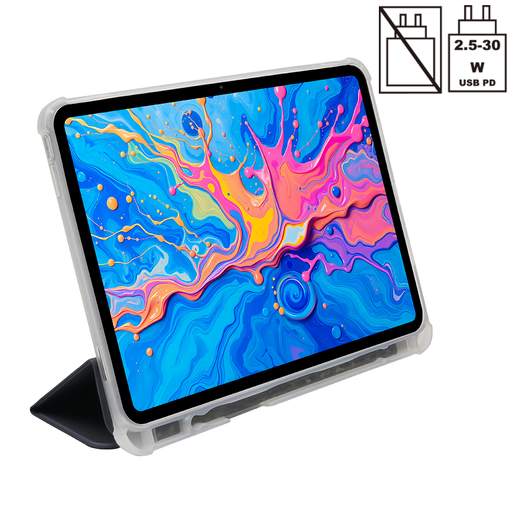 No image available
This screen-equipped variant may suit drawing over a visible scan if a compatible app offers image import and a separate layer for your lines.
The listing states T-Pen compatibility, 4,096 pressure levels and an included case. Confirm whether the T-Pen itself is included before ordering.
 No image available
Consider this variant if you want a stylus listed with a screen-equipped tablet; confirm that your drawing app can import scans and separate the traced lines.
The product name specifies Android 15 and a stylus, case and keyboard. Check whether that bundle and the available drawing space fit your desk workflow.
No. A screenless pen tablet lets you draw while viewing the scan on a separate monitor; a pen display puts the visible image under the pen. Choose according to which hand-to-image arrangement you prefer, then check the chosen model’s computer connection.
Yes, if your drawing software can load the scan and let you draw separately from it. Krita documents both image-layer import and a reference-image tool; keep your new linework on its own layer so you can edit it without changing the original scan.
Do not assume that it will. The Huion Kamvas 13 and XPPen Artist 13.3 Pro V2 examples are computer-connected pen displays; check the exact model’s host, video-output and cable requirements. A screen-equipped tablet sold for on-device use is a different type of product.
Not necessarily. Pressure settings affect a stroke when the app and brush use them, but they do not replace a comfortable drawing position or a workable scan-and-layer setup. Wacom Community notes that many people find it difficult to distinguish between 4,096 and 8,192 pressure levels.
Check a suitable local electrical-waste collection or retailer route for the device. GOV.UK describes the UK electrical-waste framework as intended to reduce equipment sent to landfill or incineration; the appropriate hand-in route depends on your device and local options.