Choose the drawing setup before comparing stylus specifications: an Apple Pencil can suit a compatible iPad, a screenless pen tablet suits work on a separate computer monitor, and a pen display lets you draw where the scan appears. Check the exact device and pen models first, then consider drawing area, controls, your tracing app and, for a pen display, the computer’s video connection.
Who each setup suits
iPad owners tracing away from a desk
If you already have an iPad, a compatible Apple Pencil offers a way to import, trace and annotate scans on the same device. Check your exact iPad model against Apple’s Pencil compatibility list before choosing one.
Desktop tracers comfortable with a separate monitor
A screenless pen tablet suits tracing in a computer application while you look at the monitor rather than your pen hand. Huion and XPPen offer models with different active areas and shortcut controls, so compare those features with your desk workflow.
Tracers who want to draw on the displayed scan
A pen display places the drawing surface where the scan appears. That may suit close outline work if pen-to-monitor coordination feels awkward, but check its space, cables and computer-port requirements before buying.
What matters when choosing
Compatible iPad and Apple Pencil
Choose it when: You already own a supported iPad and want to trace imported scans without a separate computer drawing tablet.
Trade-off: Apple Pencil compatibility depends on the exact iPad and Pencil models; the USB-C Pencil pairs and charges by cable.
Screenless pen tablet
Choose it when: You trace in desktop software and are comfortable moving the pen on a desk tablet while watching a separate monitor.
Trade-off: This arrangement takes some pen-to-monitor coordination rather than placing the pen directly on the scan.
Computer-connected pen display
Choose it when: Seeing the tracing point beneath your pen matters more than keeping the drawing surface separate from the screen.
Trade-off: Plan for the display on your desk and check its cables and your computer’s video-capable ports.
| Concern |
What to check |
Who this matters to |
| Pen and device compatibility |
Match the complete iPad or graphics-tablet model to the pen maker’s compatibility list; check the pairing method where applicable. |
If I already own the drawing device, a pen that will not work with it stops me tracing altogether. Around 31% of consumers put exact compatibility first. |
| Drawing directly on the scan |
Compare pen-display size and construction, then confirm the required cable and computer video connection. |
When I follow faint contours, I want the pen tip on the displayed image rather than on a separate tablet. Direct placement comes first for around 25% of consumers. |
| Desktop drawing area and controls |
Compare screenless tablets’ active-area dimensions and whether their shortcut keys can be assigned in your software. |
If I trace at my computer, I need room for pen movements and convenient access to the commands I use. Around 25% of consumers prioritise that desktop workflow. |
| Portable tracing |
Confirm iPad and Pencil compatibility, the charging method and whether your chosen app can import and trace your scans. |
I want to move between places without connecting a separate graphics tablet to a computer. Portability is the primary need for around 19% of consumers. |
Mistakes to avoid
-
Assuming a replacement pen works across a brand
Huion lists its PW110 for Inspiroy 2 S, M and L, while Wacom describes its Wacom One replacement pen CP91300B2Z for the Wacom One DTC133 display. A shared brand name is not a compatibility check.
Compare the complete device model with the manufacturer’s named pen-compatibility list before ordering.
-
Judging a computer port by its USB-C shape
Wacom says Wacom One’s single-cable connection requires Thunderbolt 3 or later, or DisplayPort Alt Mode. A USB-C socket alone does not establish either capability.
Check the computer manufacturer’s port specification against the display’s connection instructions.
For the cited Wacom One setup, a computer without the required DisplayPort Alt Mode support needs an additional converter kit.
-
Choosing by the pressure-level count alone
Pressure levels describe registered force steps, not whether a pen fits your device or feels comfortable for your tracing task. Wacom notes that many people find the difference between 4,096 and 8,192 levels difficult to perceive.
Settle compatibility and drawing placement first; check pressure behaviour in the brush and application you intend to use.
-
Expecting a screenless tablet to feel like drawing on the image
On a screenless tablet, your hand moves on the desk while you watch the scan on a monitor. A pen display puts the drawing surface on the displayed image but needs its own desk space and connections.
Decide whether pen-to-monitor coordination suits you before comparing tablet sizes or display models.
Brands to consider for these tracing setups
Apple
An iPad-based route for people who already own a compatible iPad and want to trace on the device itself.
- Apple describes Apple Pencil models as offering precise input, tilt support and palm rejection.
- Compatibility varies by Pencil and iPad model. Apple Pencil (USB-C) works with selected iPads and pairs and charges through a USB-C cable.
Wacom
Computer-connected choices include Intuos pen tablets and the Wacom One pen-display route.
- Wacom presents Intuos for drawing and sketching; the cited Wacom One DTC141 is a 14-inch pen display with a battery-free pen.
- Wacom One single-cable use requires a computer port supporting Thunderbolt 3 or later, or DisplayPort Alt Mode; otherwise its converter kit is needed.
Huion
Its Inspiroy range is relevant to screenless tracing at a computer and to model-specific replacement-pen choices.
- Huion lists the Inspiroy 2 L with an 8.7 × 5.4-inch active area, a battery-free pen and eight press keys.
- Huion names Inspiroy 2 S, M and L as compatible with its PW110 replacement pen; check the model rather than assuming another Inspiroy uses it.
XPPen
Its cited models illustrate the choice between a screenless desk tablet and a computer-connected pen display.
- XPPen lists a 10 × 6.25-inch active area and eight customisable keys for Deco 01 V3; Artist 13.3 Pro has a 13.3-inch display.
- Artist 13.3 Pro connects to a computer using a 3-in-1 cable, so check how it would fit your desk and computer connections.
Joybuy choices for compatible iPads
These Apple Pencil options concern tracing on a compatible iPad. Match your exact iPad model to the Pencil before choosing, and check that your drawing app can import and trace your scans.
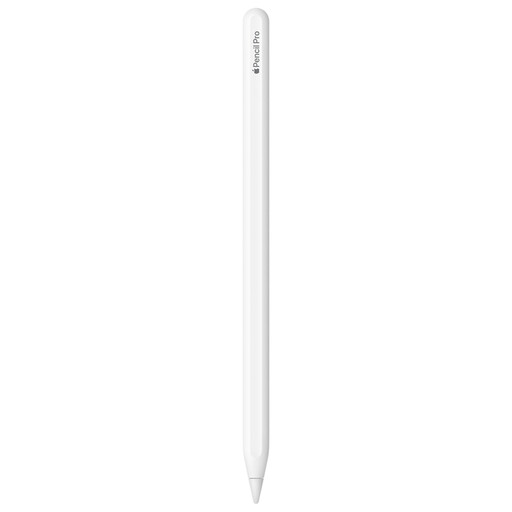 Image unavailable
Apple Pencil Pro (2024 New) for iPad Air/iPad Pro
Consider this for an iPad-based tracing setup only if your exact iPad model is listed as compatible with Apple Pencil Pro.
Check scanned-image import and tracing in the app you plan to use.
View on Joybuy
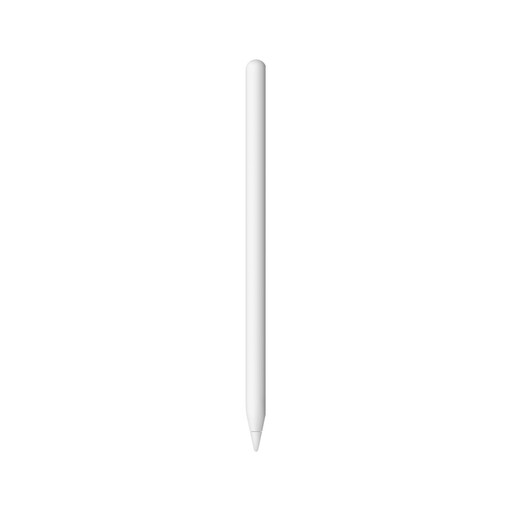 Image unavailable
Apple Pencil (2nd Generation)
This is another iPad tracing option if your exact iPad model supports Apple Pencil (2nd Generation).
Check app support for importing and tracing scans; do not assume hover works on every compatible iPad.
View on Joybuy
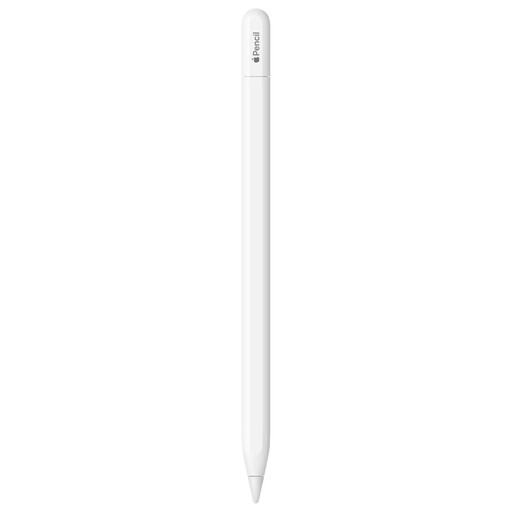 Image unavailable
Apple Pencil (USB-C)
Consider this for tracing on a supported iPad, checking your exact model against Apple’s compatibility list before purchase.
Pairing and charging use a USB-C cable. Check your drawing app’s scan-import workflow, and confirm any model-specific hover support you need.
View on Joybuy
Questions about tracing setups
Will any stylus work with the tablet I already own?
No: stylus compatibility is model-specific. Apple lists Apple Pencil (USB-C) for selected iPads; Huion lists PW110 for Inspiroy 2 S, M and L; and Wacom specifies its Wacom One replacement pen CP91300B2Z for the DTC133 display. Match the full model code before ordering.
Do I need a pen display to trace a scanned drawing?
Not if you are comfortable moving a pen on a screenless tablet while watching the scan on a computer monitor. A pen display is the route to consider when drawing directly on the displayed scan matters more to you; check its desk space and connections as part of that choice.
Do more pressure levels make scanned lines easier to trace?
A higher pressure-level count does not by itself establish a better tracing setup. Wacom says most people find the difference between 4,096 and 8,192 levels difficult to perceive. Start with compatibility and pen placement, then consider pressure response if your chosen brush changes width or opacity with force.
What should I check before connecting a pen display to my computer?
Check the display’s cable requirements against your computer’s exact ports, not just their shape. Wacom says Wacom One single-cable operation needs Thunderbolt 3 or later, or DisplayPort Alt Mode, and calls for a converter kit where the required support is absent. XPPen describes Artist 13.3 Pro as using a 3-in-1 cable.


