Plotters with crowded desks
If papers, instruments or a laptop occupy the space beside your keyboard, compare a stationary trackball with a moving mouse. Logitech says its ERGO M575 can control the pointer without moving the device.


Choose a stationary trackball if tide tables and equipment leave too little room to move a mouse; choose a compact conventional mouse if you prefer familiar hand movement and still have a clear working area. For plotting, check pointer-speed control, scrolling and computer compatibility before treating a high maximum DPI as a deciding factor.
If papers, instruments or a laptop occupy the space beside your keyboard, compare a stationary trackball with a moving mouse. Logitech says its ERGO M575 can control the pointer without moving the device.
If you prefer moving a mouse to place points and navigate tables, look for a body that fits the available space and cursor control that suits your work. A smaller body still needs room to travel.
If clicks might disturb others or you plot on more than one computer, check quiet-click claims and the connection options of the exact model. Logitech lists these features for particular Pebble and MX Anywhere models, not for every mouse it makes.
Choose it when: Papers leave little clear space for mouse movement; Logitech says its ERGO M575 stays in place while you control the pointer with the ball.
Bear in mind: Thumb-operated control differs from moving a mouse, so check whether that action and the model's handedness suit you.
Choose it when: You want familiar hand movement and have enough clear surface to move the mouse while your charts are laid out.
Bear in mind: A compact or fold-flat body does not eliminate the working space needed to move it.
| Concern | What to check | Who this matters to |
|---|---|---|
| Working space | Lay out your tide-table papers, then check the clear area for mouse movement or a stationary trackball. | If charts leave barely any room beside the keyboard, I need pointer control without sliding a device across the desk. Around 36% of consumers would put preserving working space first. |
| Pointer and scrolling control | Check adjustable sensitivity and how the exact model scrolls through the tables you use. | When placing chart points and revisiting rows, I want movement and scrolling I can control. For around 29% of consumers, that control would be the primary concern. |
| Computer connection | Confirm Bluetooth support or an available receiver port, operating-system compatibility and package contents. | If my computer has limited ports or I switch devices, the mouse needs a connection I can actually use. That would come first for around 21% of consumers. |
| Quiet everyday use | Check whether quiet clicks are claimed for the exact model and whether its shape suits your intended session length. | At a shared desk, I would rather have unobtrusive clicks and a straightforward mouse than extra controls I will not use. Around 14% of consumers would prioritise that need. |
A conventional mouse still needs space to move, whereas a stationary trackball controls the pointer without moving the whole device.
Put your papers in place before measuring the clear area. If sideways movement feels restricted, compare a trackball rather than judging by body size alone.
Logitech lists a high-DPI sensor for the MX Anywhere 3S, while Kensington describes lower settings on its Orbit Wireless Trackball for precision editing. A maximum figure does not tell you whether the available settings and scrolling will suit your tables.
Check the exact model's sensitivity controls and scroll behaviour for the views you use most often.
The cited models use different routes: HP lists Bluetooth 5.1 for its 240 mouse, and Logitech lists Bluetooth or an included receiver for the ERGO M575. A receiver for the MX Anywhere 3S is not included.
Check your computer's Bluetooth capability, operating system and ports against the exact mouse and its package contents.
If your computer cannot use the supplied connection route, you may need a compatible receiver or adapter.
The Health and Safety Executive notes that discomfort associated with display-screen work can involve workstation design and how equipment is used, not just one device.
For prolonged computer work, review the desk arrangement and breaks as well as mouse control. Workplace users should follow their employer's workstation-assessment process.
Its cited range spans the stationary ERGO M575 trackball, the compact MX Anywhere 3S and the slim Pebble Mouse 2 M350s.
Its cited Orbit trackballs provide another stationary-control option, including a wireless model with a scroll ring.
The cited HP 240 is a compact, ambidextrous Bluetooth mouse for conventional pointer movement.
The cited Surface Arc Mouse is a Bluetooth option for people who also need a mouse that folds flat for storage or travel.
These conventional moving mice offer different body styles and connection options for tide-table work. Check that you have enough clear surface to move the one you choose; a stationary trackball remains the route to consider when movement space is the main constraint.
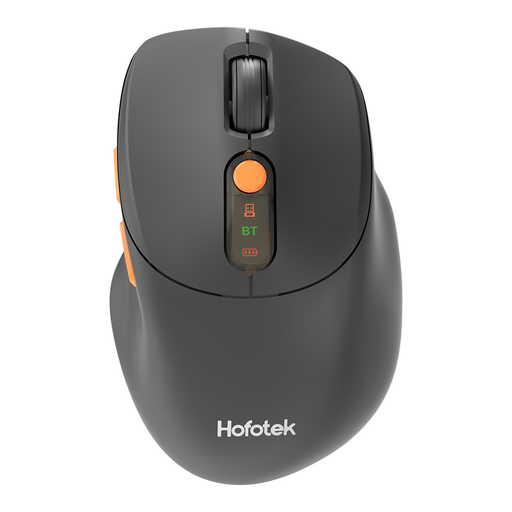 No image available
Consider this moving mouse if you want a choice of wireless connection routes and adjustable pointer sensitivity at a crowded desk.
The title specifies 2.4G+BT connection, multi-level DPI adjustment and one AA battery. Check its scroll behaviour if you navigate long tide tables frequently, and leave room to move the mouse.
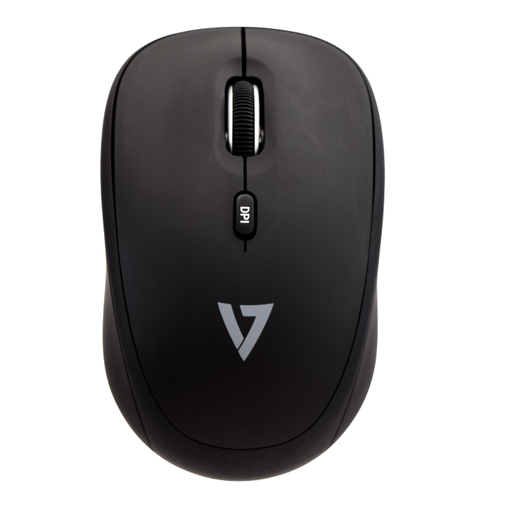 No image available
Consider this conventional mouse if you can use a USB receiver and want a small body for a limited desk area.
The title specifies a 2.4GHz nano receiver, four buttons and a 1,600-DPI optical sensor. Check receiver-port compatibility and scroll behaviour, and allow space for mouse movement.
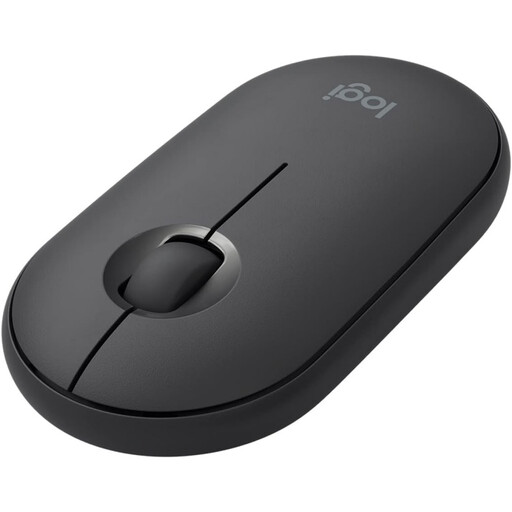 No image available
Consider this compact, low-profile mouse if quiet clicks matter at a shared desk and you prefer conventional movement.
Confirm the connection method and package contents for this M350 before buying. It is a different model from the Pebble Mouse 2 M350s; check sensitivity and scrolling separately if they matter for your plotting work.
 No image available
Consider its vertical grip if that is the hand position you prefer, provided your desk has room to move a conventional mouse.
The title specifies Bluetooth and 2.4GHz modes, six buttons and an adjustable sensor rated up to 1,600 DPI. Check the grip and connection against your own setup rather than assuming a vertical shape will suit every hand.
 No image available
Consider this moving mouse if you have sufficient desk space and want to assess its scrolling controls for navigating tide-table views.
Check its physical fit before choosing it for a small desk. If you plan to connect through a Logi Bolt receiver, confirm whether one comes with this product.
A trackball is worth comparing when there is too little clear area to move a mouse: Logitech says its ERGO M575 controls the pointer without moving the unit. If you prefer conventional hand movement and have sufficient clear surface, a compact mouse remains an option.
No receiver is needed when the mouse and computer can connect through compatible Bluetooth. HP lists Bluetooth 5.1 for its 240 mouse; Logitech lists Bluetooth or an included receiver for the ERGO M575, while a Logi Bolt receiver is not included with the MX Anywhere 3S.
For a qualifying UK online purchase, GOV.UK says you must tell the seller you want to cancel within 14 days of receiving the item. Check how to return it and any applicable handling conditions before trying it extensively; a retailer's voluntary policy is separate from your statutory rights if goods are faulty or misdescribed.
Use an appropriate electrical-waste or battery collection route rather than putting unwanted electrical products or batteries in household rubbish, as GOV.UK advises. Check local collection options and remove batteries where the product is designed to let you do so.