
24/7 Customer Support

Free returns

Same-day & Next-day Delivery

Quality Guaranteed

Unlock Your Welcome Offers: FREE Delivery | Up to 80% OFF | Free 30-day JoyPlus trial
Download the APP
Trail running gear needs to cope with wet paths, loose ground, steep climbs and changing British weather. Yet many shoppers spend more than necessary on equipment that looks technical but performs poorly when used outdoors.
The key is to match each item to your route, pace and packing needs rather than choosing products based on bold marketing language. Below, the Joybuy Product Recommendation Officer highlights common buying traps, specifications worth checking and suitable options for different outdoor users.
Road running shoes are usually designed for smooth pavements and predictable surfaces. Their flatter soles may feel unstable on mud, gravel, roots and damp grass. Trail running shoes should have a more suitable outsole pattern, a secure fit and enough upper protection for the terrain you expect to encounter.
However, deep lugs are not automatically preferable. Very aggressive tread can feel uncomfortable on paved sections and may wear faster when used mainly on roads. Consider the balance between your usual trail surface and your route’s road-to-trail ratio.
A waterproof membrane can help keep rain and surface water out, but it does not make footwear suitable for deep puddles or prolonged immersion. Water can still enter around the ankle, tongue or opening. Breathability also matters because trapped perspiration can leave socks damp from inside.
For shorter, faster runs, breathable trail shoes may be more comfortable. For slower hikes, muddy routes and camping trips, waterproof hiking boots can offer greater coverage and foot protection.
A lightweight trail running backpack that bounces, rubs or leaves bottles difficult to reach can quickly become frustrating. Capacity alone does not tell you whether a pack is suitable. Check the torso range, waist adjustment, compartment layout and how securely it sits while moving.
A 20-litre pack may suit a long day outdoors, but it can be excessive for a short local run. Conversely, a compact running vest may not hold spare layers, food, navigation equipment and a first-aid kit.
For trail running shoes, look for:
The PELLIOT trail running shoes listed in the product range are available in selected men’s and women’s sizes. Always check the individual product page and size information before ordering, particularly if you are between sizes.
For more demanding hikes, the PELLIOT waterproof hiking boots use an abrasion-resistant synthetic upper, protective toe cap, waterproof and breathable membrane and high-traction rubber sole. The supplied sizing guidance maps a 270 mm foot length to EU 44 / UK 9.5, while a 265 mm foot length maps to EU 43 / UK 8.5. Measure both feet while wearing the socks you expect to use outdoors.
The PELLIOT trail running backpack has a 20-litre maximum capacity and a breathable mesh lining. Its stated sizing is:
Measure from the prominent bone at the base of your neck to the top of your hip bones. If your priority is fast movement, a closer fit may help reduce bounce. Store heavier items near your back, keep frequently used items in accessible pockets and avoid overloading the pack.
Trail running shorts should allow a full stride without riding up. The Under Armour Trail Run Launch men’s shorts use 125 GSM perforated fabric, a five-inch inseam, built-in liner, adjustable waistband and side pockets. The listed waist ranges are S: 28–30 inches, M: 31–33 inches, L: 34–36 inches and XL: 37–39 inches.
For uneven ground, trekking poles can provide useful walking support, particularly on steep or extended routes. The SUCOJIA poles are made from 7075 aluminium alloy, fold to 34 cm, extend to 125 cm and weigh 275 g per stated product information. Check that the locking mechanism is fully engaged before use and inspect the tips regularly.
A GPS sports watch can help record route distance, pace and location, but battery life depends on GPS settings, screen use, mobile connectivity and temperature. Satellite emergency features should be treated as a backup rather than a substitute for route planning, weather checks and carrying appropriate safety equipment.
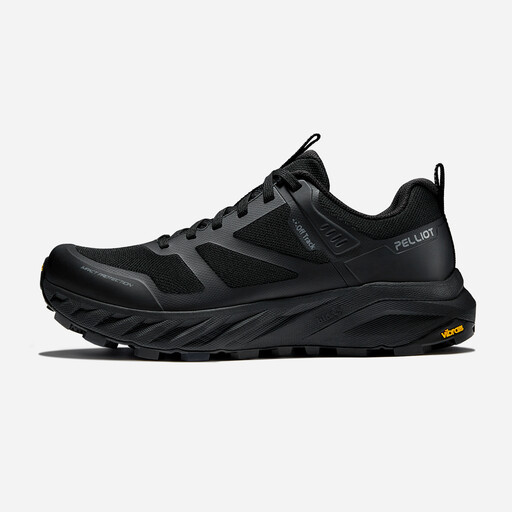
Why This Fits Their Persona: A straightforward starting point for local park paths, woodland routes and mixed outdoor exercise without immediately investing in a full equipment system.
It is positioned as trail footwear rather than a general road trainer, so shoppers can focus on fit and intended terrain instead of appearance alone.
Men’s EU 44 size listing and a black colourway that is practical for regular outdoor use.
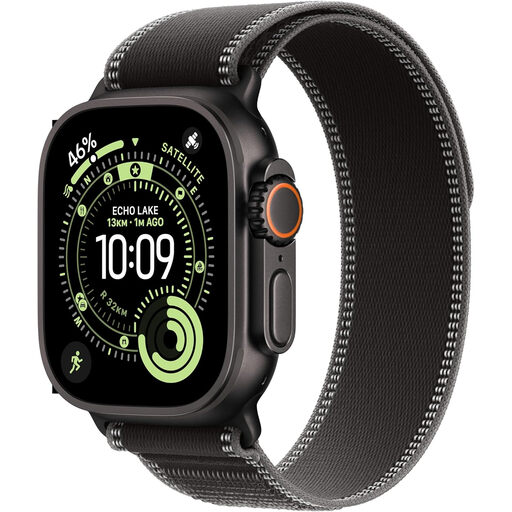
Why This Fits Their Persona: Suitable for Apple users who want route recording, workout data and cellular connectivity in one sports device.
The listing specifies dual-frequency GPS, battery figures and iPhone compatibility, allowing buyers to check whether the feature set suits their routine.
Titanium case, sapphire display, 100-metre water resistance and stated battery life of up to 42 hours in normal use.
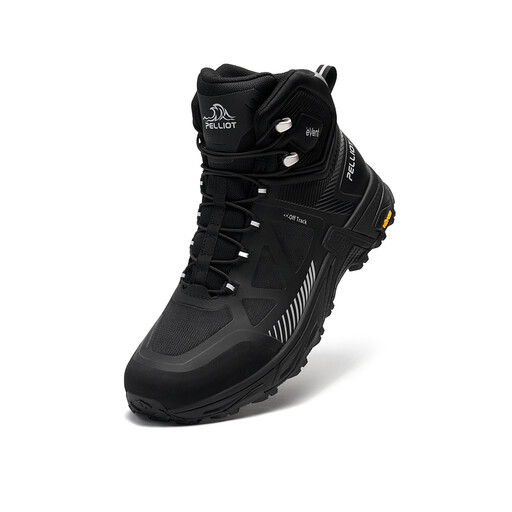
Why This Fits Their Persona: A practical match for muddy walks, camping trips and longer hikes where ankle coverage and weather protection are priorities.
The product details identify the membrane, toe cap, lugged sole and quick-lace components rather than relying only on a general outdoor label.
Abrasion-resistant upper, protective toe cap, waterproof membrane and high-traction rubber outsole.
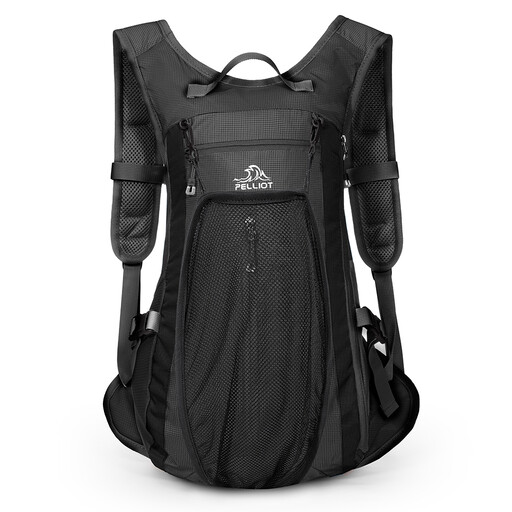
Why This Fits Their Persona: Well suited to runners, cyclists and hikers carrying spare layers, food, tools and personal items on longer UK outings.
The listed torso and waist measurements help shoppers assess fit before purchase, reducing the risk of choosing capacity without comfort.
20-litre capacity, abrasion-resistant grid polyester, breathable mesh lining and multi-compartment storage.
You do not need every item in the outdoor adventure equipment category. Start with footwear suited to the surface, moisture-managing clothing and a pack that fits your torso. Add trekking poles if your routes involve sustained climbs, then consider navigation technology for longer or less familiar trails.
For families, adventure-themed products such as the Playmobil Sky Trails Action Looping Set and Playmobil Sky Trails Construction Pack are separate from practical trail equipment. The looping set requires the Sky Trails Starter Kit and is marked for children aged seven and over, with small-parts warnings. Check the full safety information before purchase.
Begin with suitable trail running shoes, comfortable moisture-managing clothing, a phone, water and a lightweight layer. For longer or remote routes, add a first-aid kit, navigation device or map, headtorch and weatherproof cover. Choose equipment according to route length and conditions rather than buying a complete kit immediately.
They can suit walking and slower mixed-terrain outings, but many runners prefer lighter, more flexible trail footwear. Boots generally provide more coverage and protection, while trail running shoes may feel less restrictive. Consider pace, ankle support preferences, terrain and the amount of road running involved.
Lifespan depends on mileage, terrain, body weight, cleaning and storage. Replace shoes when the tread is worn, the midsole feels compressed or the upper no longer holds the foot securely. Dry wet equipment away from direct heat, clean mud promptly and inspect pack stitching, pole locks and footwear seams regularly.