Travellers who do not want to prepare a drink
If you want to open your coffee at your seat without finding water, milk or a cup, look for an individual serving explicitly labelled ready to drink.


For coffee you can drink on the train without making it, choose a sealed, individual ready-to-drink cold brew rather than a concentrate or instant-coffee jar. A concentrate suits a journey only if you can bring its mixing liquid and a vessel; instant coffee also needs water and preparation. Check the exact pack for allergens and storage directions before you leave.
If you want to open your coffee at your seat without finding water, milk or a cup, look for an individual serving explicitly labelled ready to drink.
Read the allergen statement on the exact pack. Marks & Spencer describes its Oat Latte Cold Brew as dairy-free but says it is not suitable for coeliacs or people with a wheat allergy.
A concentrate can be useful if you can measure and mix each serving with the liquid specified on its label. Check how the bottle must be stored after opening, particularly if it will remain open during the journey.
Start with whether you can prepare a drink at your seat, then check the particular product's ingredients and storage directions.
Choose when: You want an individual cold coffee that needs no mixing on the train.
Trade-off: A finished serving gives you less scope to change the drink's strength than a concentrate.
Choose when: You plan to mix drinks and have a suitable liquid and vessel available.
Trade-off: The cited Starbucks concentrate needs milk or water and ice, and its opened bottle must be refrigerated.
Choose when: Your plans include water and a cup, or you will prepare the coffee before departure.
Trade-off: An instant jar is not a finished cold-brew drink that you can open and drink at your seat.
| Priority | What to check | Your needs |
|---|---|---|
| Ready to drink | Look for an individual serving labelled ready to drink. Distinguish a finished drink from a concentrate or instant coffee that needs mixing. | I want to open my coffee on the train without carrying ingredients or making it at my seat. |
| Ingredients and allergens | Read the current ingredient and allergen statement on the exact pack. Marks & Spencer says its dairy-free Oat Latte Cold Brew is not suitable for coeliacs or people with a wheat allergy. | If I need to avoid dairy or particular cereals, the product name alone will not settle whether this drink meets my requirements. |
| Preparation and storage | For concentrate, check the mixing directions and what you must carry. Tesco's listing for Starbucks Signature Caramel Flavour Concentrated specifies milk or water over ice, refrigeration after opening and consumption within 14 days. | Will I have a liquid, a cup or bottle, and suitable storage for anything left after making a drink? |
| Caffeine per serving | Check any caffeine amount stated for the serving you intend to drink, particularly when mixing a concentrate or having other caffeinated drinks that day. | I want to know what is in the portion I will actually drink, not assume that a smaller pack contains less caffeine. |
Tesco's directions for Starbucks Signature Caramel Flavour Concentrated call for milk or water over ice. The bottle alone does not meet a no-preparation plan.
Choose a clearly labelled ready-to-drink serving for immediate use, or plan how you will mix and store the concentrate.
Making the drink also means carrying or obtaining a mixing liquid and a cup or reusable bottle.
Marks & Spencer states that its dairy-free Oat Latte Cold Brew is not suitable for coeliacs or people with a wheat allergy.
Read the current ingredients and allergen statement on the exact pack rather than relying on the word “oat” or “dairy-free”.
Tesco lists Tia Maria Cold Brew Coffee Liqueur at 20% ABV. “Cold brew coffee” in a name does not establish that a product is non-alcoholic.
Check the product category and ABV statement when choosing a drink for the journey.
A serving's volume does not tell you its caffeine content, especially when one product is a finished drink and another is mixed from concentrate.
Use the caffeine information on the pack where available and consider other caffeinated drinks you plan to have that day.
These retailer listings illustrate different coffee formats; check the individual product rather than assuming every drink from a brand has the same ingredients or preparation directions.
Marks & Spencer lists 250 ml Classic Latte and Oat Latte Cold Brew products.
Tesco lists cold-brew and iced-coffee concentrates, including Tesco Finest Unsweetened Cold Brew Coffee Concentrate.
Waitrose & Partners lists individual iced coffees alongside 500 ml Nescafé espresso concentrates.
Sainsbury's iced-coffee listing includes individual drinks, larger drinks and espresso concentrates.
A Coffee Friend UK listing describes a 200 ml Sandows ready-to-drink cold brew.
These options include finished coffee drinks, a cold-brew coffee liquid to dilute and individually portioned instant coffee. The finished drinks are not all identified as cold brew, and the instant portions are capsules rather than a jar.
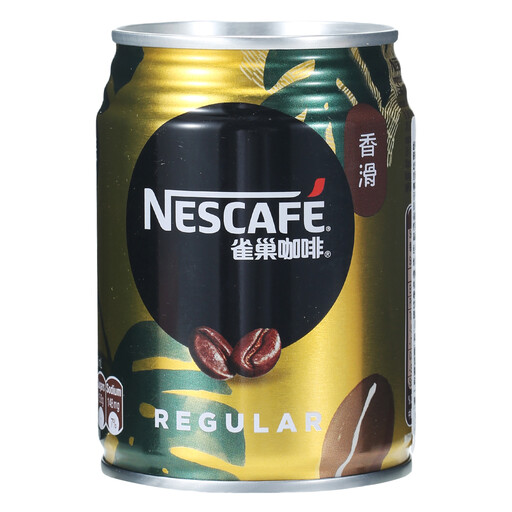 No image available
This ready-to-drink coffee can be consumed at room temperature or chilled, without mixing on the train. It contains milk and is not identified as cold brew; check the pack if you need its caffeine amount per serving.
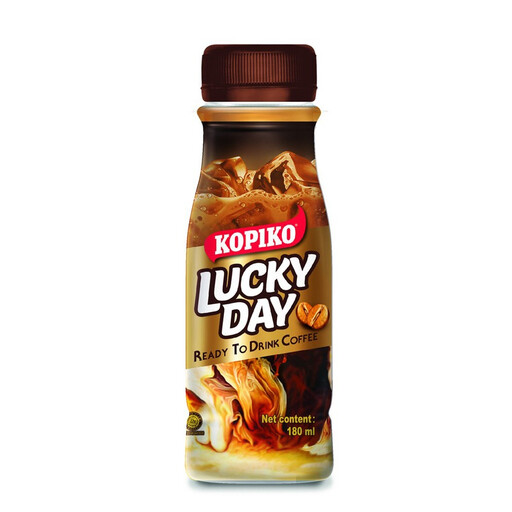 No image available
This 180 ml ready-to-drink Thai iced coffee needs no brewing or mixing, but is not identified as cold brew. It contains milk; after opening, refrigerate it and consume within 24 hours. Check the pack if you need its caffeine amount per serving.
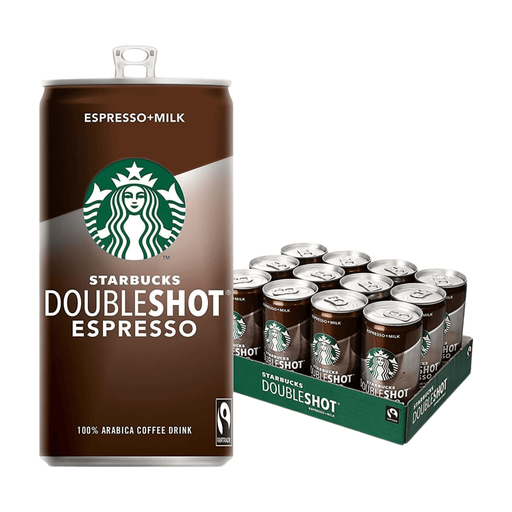 No image available
These 200 ml bottles are described as ready to drink, without mixing, though the product is not identified as cold brew. It contains milk and requires chilled storage at 2–8°C, so account for that during travel. Check the pack for the caffeine amount per bottle.
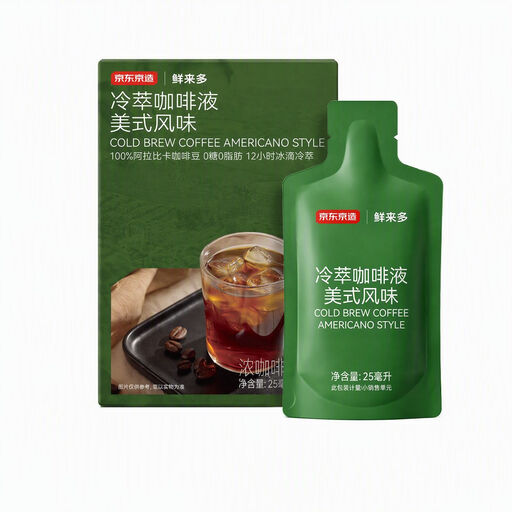 No image available
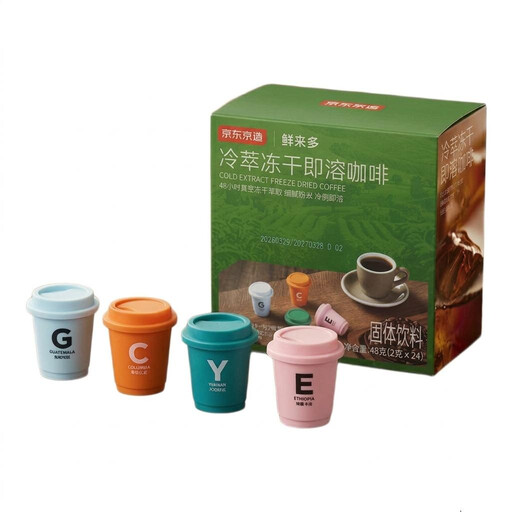
The ten individual pouches are an option if you can prepare a drink rather than opening a finished one. Directions call for about 200 ml of water per pouch and stirring in a cup; cold water can be used. Check the pack if you need the caffeine amount in a prepared serving.
 No image available
These individually portioned instant-coffee capsules are for making a drink, not for drinking straight from the pack. Directions call for 150–200 ml of water and stirring, and allow cold-water preparation. Bring a cup and water if you intend to make one on the train; check the pack for caffeine per prepared serving.
Check the particular bottle's directions rather than treating it as a finished drink. Tesco's listing for Starbucks Signature Caramel Flavour Concentrated instructs you to mix it with milk or water over ice; choose a ready-to-drink serving if you cannot prepare one.
No. Instant coffee must be made into a drink, while a product labelled ready to drink can be opened without mixing. If you are taking an instant jar, plan for water and a cup or prepare the coffee before leaving.
Do not assume so: Marks & Spencer says its dairy-free Oat Latte Cold Brew is not suitable for people with a wheat allergy or for coeliacs. Read the current allergen statement on the exact pack you intend to buy.
Follow that product's storage directions. Tesco's listed Starbucks concentrate must be refrigerated after opening and consumed within 14 days, so plan for its storage if you will not finish it before travelling.
No. Tesco lists Tia Maria Cold Brew Coffee Liqueur at 20% ABV. Check the product category and alcohol statement instead of relying on “cold brew” in the name.