Travellers buying one drink with food
If you want a portion for one journey, compare individual cans or bottles before choosing a larger pack. Pepsi UK identifies its 330ml Pepsi Max can as one serving.


For one train journey, a single can or bottle is easier to carry than a large bottle, but check the exact drink’s sugars and ingredients rather than relying on its front-of-pack name. Coca-Cola Zero Sugar and Pepsi Max are caffeinated options; Pepsi Max No Caffeine and Coca-Cola Zero Sugar Zero Caffeine are alternatives when avoiding caffeine matters. A multipack provides can-sized portions, though you will be buying more than one journey’s drink.
If you want a portion for one journey, compare individual cans or bottles before choosing a larger pack. Pepsi UK identifies its 330ml Pepsi Max can as one serving.
A zero-sugar name alone does not identify a caffeine-free drink. Look for the separate No Caffeine or Zero Caffeine variant and check the exact pack.
A larger bottle may suit several travellers if sharing is practical. Tesco lists Diet Cola in a 2-litre bottle; consider how you will carry and serve it on the journey.
Choose the amount you need for the journey, then check sugars, caffeine and ingredient information on that specific pack.
| Priority | What to check | Your needs |
|---|---|---|
| Sugars | Read sugars per 100ml and, where shown, per serving. Coca-Cola GB and Pepsi UK each list 0g sugars per 100ml for their standard Zero Sugar and Max products; Tesco lists less than 0.1g per 100ml for Diet Cola. | I want to check what is in the drink I am taking, rather than assume every no-added-sugar or zero-sugar label describes the same recipe. |
| Caffeine | Check the product name and ingredients. Standard Coca-Cola Zero Sugar and Pepsi Max list caffeine or caffeine flavouring; their separately named caffeine-free alternatives are different products. | For a late journey, or when I am avoiding caffeine, I want the can I pack to be explicitly labelled No Caffeine or Zero Caffeine. |
| Ingredients | Read the sweetener list and any phenylalanine statement on the exact pack. The cited Coca-Cola and Pepsi zero-sugar products contain sweeteners and carry a source-of-phenylalanine statement. | A zero-sugar claim is not enough if I need to check a particular ingredient, including because of phenylketonuria-related dietary requirements. |
| Pack size | Compare the container size with the number of drinks needed. Pepsi UK identifies a 330ml can as one serving, while Tesco lists its Diet Cola in a 2-litre bottle; Joybuy options below are multipacks of cans. | One can may be enough with my train food. If I am buying for others, I can consider a larger bottle or a multipack and plan how to carry it. |
Coca-Cola Zero Sugar and Pepsi Max list caffeine or caffeine flavouring, while their caffeine-free alternatives have distinct product names.
If you are avoiding caffeine, choose a pack explicitly labelled No Caffeine or Zero Caffeine and check its ingredients.
The cited Coca-Cola and Pepsi zero-sugar drinks contain sweeteners and carry a source-of-phenylalanine statement. Their sugar declaration does not answer an ingredient-specific question.
Read the exact pack’s ingredients and warning statements, particularly if you have phenylketonuria-related dietary requirements.
Tesco’s cited Diet Cola is a 2-litre bottle; Pepsi UK describes its 330ml Max can as one serving. The formats meet different carrying and sharing needs.
Match the pack to the number of travellers and drinks needed. If buying a large bottle, consider how you will carry it and what you will do with any remainder.
Tesco advises shoppers that food products can be reformulated, so a previous listing may not describe the pack in hand.
Check the current pack size, nutrition panel and ingredients when you buy, especially if caffeine or a particular sweetener matters to you.
These product lines illustrate label and pack-format differences; a brand name alone does not establish the ingredients of every variant.
Coca-Cola Zero Sugar is a caffeinated option, while Coca-Cola Zero Sugar Zero Caffeine is a separate caffeine-free product.
Pepsi Max and Pepsi Max No Caffeine offer standard and caffeine-free zero-sugar choices respectively.
Tesco Diet Cola is a no-added-sugar own-brand option in a 2-litre bottle, a format to consider when buying for more than one person.
Sainsbury’s fizzy-drinks listing includes Cola Zero and Diet Cola in 2-litre bottles alongside branded alternatives.
These are can multipacks relevant to taking a cola with train-journey food. You can take an individual can, but each listed purchase is for a larger pack; compare caffeine and flavour variants before choosing.
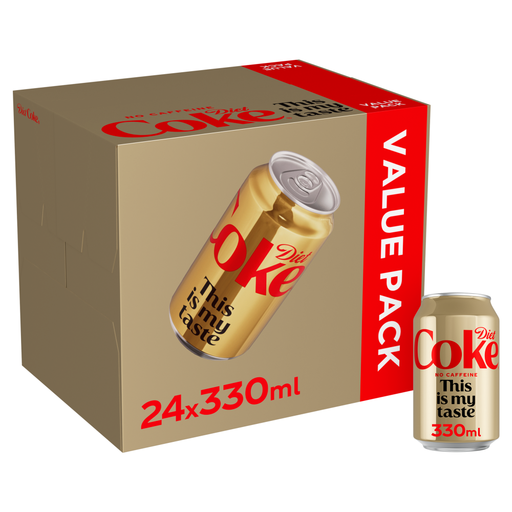 No image available
A caffeine-free cola option in individual 330ml cans. This is a 24-can multipack, so check the exact pack’s sugar declaration and ingredients if they affect your choice.
 No image available
Choose this variant when you want Pepsi Max without caffeine. Pepsi UK lists 0g sugars per 100ml for its No Caffeine product; these 330ml cans come as a 24-pack, and the cited product contains sweeteners and a source of phenylalanine.
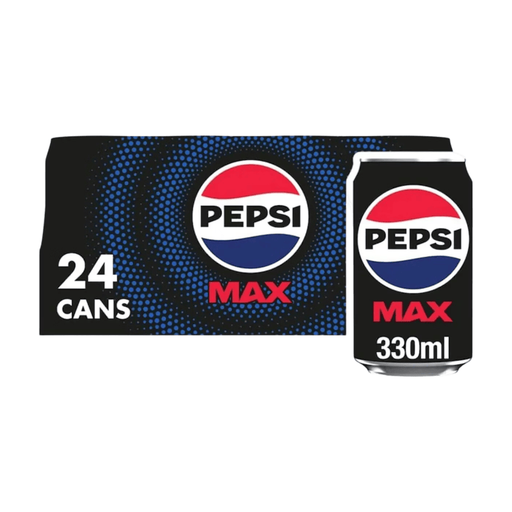 No image available
This is the standard caffeinated Pepsi Max route if caffeine suits your journey. Pepsi UK lists 0g sugars per 100ml and describes a 330ml can as one serving. This listing is for 24 cans; the cited recipe contains sweeteners and a source of phenylalanine.
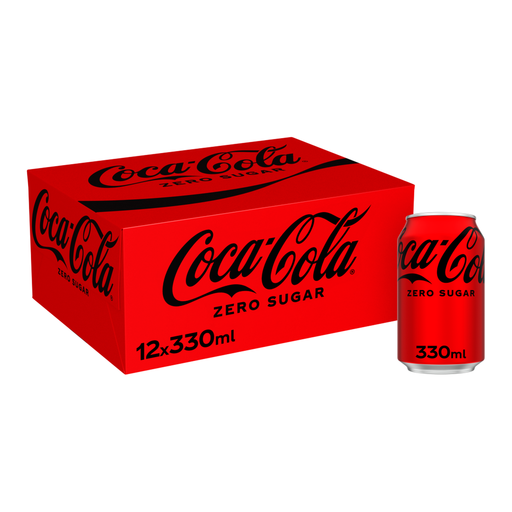 No image available
Consider this 12-can pack if you want a standard caffeinated Coca-Cola Zero Sugar option and can use the remaining cans after the journey. Coca-Cola GB lists 0g sugars per 100ml for the cited product; its ingredients include sweeteners and caffeine flavouring, and it carries a source-of-phenylalanine statement.
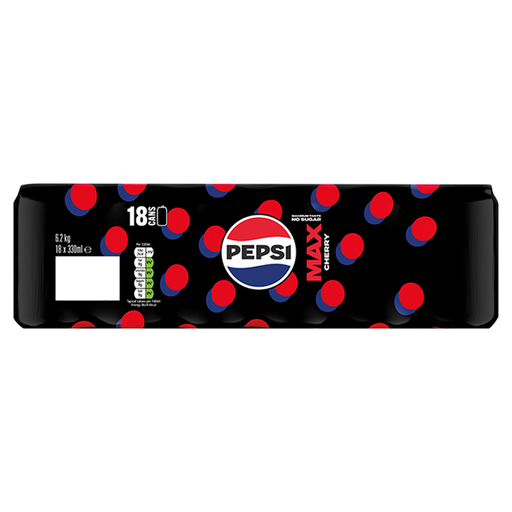 No image available
A cherry-flavoured cola variant for someone who wants that flavour rather than standard Pepsi Max. The 330ml cans come in an 18-pack; check the exact pack’s sugars, caffeine, sweeteners and phenylalanine statement before buying.
Do not treat the phrases as interchangeable: read sugars on the exact nutrition panel. Coca-Cola GB and Pepsi UK list 0g sugars per 100ml for their cited Zero Sugar and Max products, while Tesco lists less than 0.1g per 100ml for its no-added-sugar Diet Cola.
Look for a product explicitly labelled caffeine-free, such as Pepsi Max No Caffeine or Coca-Cola Zero Sugar Zero Caffeine, and check the pack you buy. Standard Pepsi Max and Coca-Cola Zero Sugar list caffeine or caffeine flavouring.
The cited Coca-Cola Zero Sugar and Pepsi Max products contain sweeteners and carry a source-of-phenylalanine statement. If phenylalanine matters to your dietary requirements, check the statement on the exact pack rather than relying on its zero-sugar name.
Yes, particularly when sugars, caffeine or a specific ingredient affects your choice. Tesco advises shoppers to read the physical product label because food products can be reformulated.