Frequent document workers
People drafting reports, coursework, emails or spreadsheets across repeated journeys need a keyboard and screen they can use in their usual seat, plus a way to keep working without a socket.


Choose a conventional laptop for sustained typing or essential desktop software, a 2-in-1 if handwriting and tablet use matter alongside keyboard work, or a tablet with a keyboard for reading and lighter app-based tasks. National Rail says onboard Wi-Fi and power availability vary, so judge the complete setup by your required apps, working space, battery-test conditions and charging needs rather than assuming a socket or connection will be available.
People drafting reports, coursework, emails or spreadsheets across repeated journeys need a keyboard and screen they can use in their usual seat, plus a way to keep working without a socket.
Students and workers who move between reading PDFs, marking up documents, handwriting and short typing sessions may value a 2-in-1 or a tablet with a keyboard more than a conventional laptop.
Travellers who cannot count on a socket, Wi-Fi or a full-size table need to consider carry weight and charging requirements alongside their usual tasks. National Rail advises checking facilities with the train company because availability varies.
Start with the software and tasks you need to complete, then consider how the full setup will fit your seat and last through a journey without onboard power.
Choose it when: Long writing sessions, spreadsheets or required Windows or macOS software make an integrated keyboard and desktop workflow important.
Trade-off: A fixed laptop form is less adaptable to handheld reading or handwritten annotation.
Choose it when: You regularly switch between typing and touch or pen-based reading and annotation while still needing laptop applications.
Trade-off: Check the complete keyboard arrangement: a detachable model may need an optional keyboard and more table depth than you expect.
Choose it when: Reading, notes and lighter app-based work dominate, and the apps you need run on the tablet.
Trade-off: Keyboard support and multiple app windows do not establish compatibility with every desktop application or workplace system.
| Concern | What to check | Who this matters to |
|---|---|---|
| Battery resilience | Compare the manufacturer’s battery-test workload with your own use, and check the exact device’s charging input and minimum power requirement. | If I need to finish work without a socket, I need to plan around my journey rather than a headline battery figure. Around 33% of consumers put power independence first. |
| Typing in limited space | Assess the keyboard and screen arrangement in your usual seat; include any detachable keyboard, charger and case when judging what you will carry. | For long documents, I need a stable typing position even when I do not have a full table. That is the primary concern for around 27% of consumers. |
| Reading and annotation | Check the exact device’s touch, pen and keyboard arrangement, including which accessories are optional. | If I alternate between reading and marking up documents, switching modes matters more to me than long typing sessions. Around 20% of consumers chiefly need that flexibility. |
| Software and file access | Confirm required apps and work or study systems run on the operating system, and that essential files remain available offline. | I cannot finish a task if my required software or files stop working when the connection drops. Around 20% of consumers place that continuity above the other concerns. |
Manufacturer figures depend on the stated test. Apple, for example, gives different MacBook Air figures for video streaming and wireless web use; neither establishes how long your particular train-work workload will run.
Compare the test conditions, plan around your longest journey without a socket and check the exact model’s charging requirements.
Microsoft describes the Surface Pro keyboard and pen as optional. A detachable keyboard also affects how much space the typing setup needs.
Assess the device together with the keyboard, pen if needed, charger and case, using the seating position in which you normally work.
Optional accessories also add to what you carry.
A matching connector does not establish the charging power or USB Power Delivery support a laptop requires. Apple and ASUS publish different charging specifications for the models cited here.
Check the exact device’s supported charging protocol and minimum input, then use its original charger or a reputable compatible replacement, as Electrical Safety First advises.
A mismatched charger may need replacing or may not charge the laptop as expected.
National Rail says availability varies. Avanti West Coast lists sockets at selected tables and window seats in its onboard information, illustrating why your seat matters as well as your operator.
Check your service and seat, charge before boarding and download the files needed to work offline.
The MacBook Air range is relevant if your work or study applications run on macOS and you want a conventional notebook for typing on the move.
Surface Pro is relevant to travellers who need Windows laptop tasks alongside tablet-style reading or pen work.
The cited Zenbook 14 configuration is a conventional Windows laptop option for travellers considering a 14-inch screen and USB-C charging.
These laptops and convertible devices suit different balances of typing, screen space and touch use during rail work or study. Check each configuration against your required software, usual seat and time away from a socket.
 No image available
Consider this laptop for regular document work if your required applications work with its Snapdragon X configuration.
Snapdragon X; 16GB RAM; 512GB SSD. Check expected battery use and charging requirements against journeys without a socket.
 No image available
This Chromebook is worth considering for browser-based study or work if the applications and workplace or course systems you need support ChromeOS.
14-inch WUXGA display (1920 × 1200); Intel Core i3-1315U; 8GB RAM; 256GB SSD. Confirm how your essential work will continue offline.
 No image available
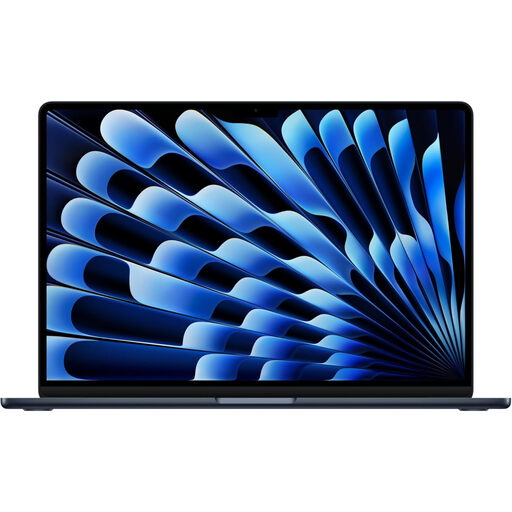
Consider this MacBook Air for sustained typing if your essential work or study software runs on macOS.
M5 chip with 10-core CPU and 10-core GPU. Apple’s battery figures distinguish wireless web use from video streaming, so plan your journey around the work you actually do; confirm the carried weight and supplied charging setup for this configuration.
 No image available
Consider this convertible if you switch between keyboard work and touch-based reading, while still needing Windows applications.
16GB RAM; 1TB SSD; Windows 11 Home. Assess how the 2-in-1 arrangement fits your usual seat, and check battery use for journeys without power. If graphics capability matters to your work, confirm the exact configuration before buying.
 No image available
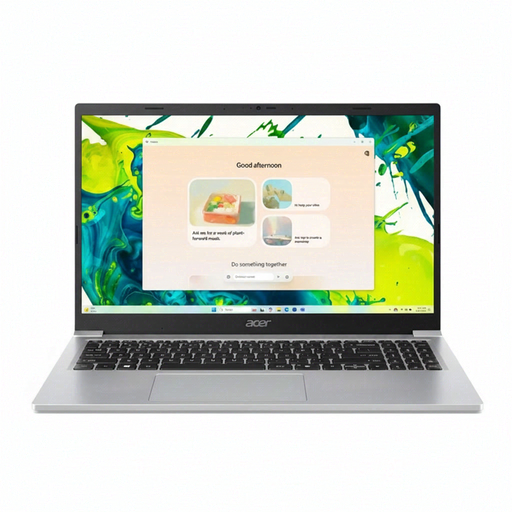
This Windows laptop offers a larger screen for document work, but check whether its 15.6-inch footprint suits the train seats and tables you normally use.
15.6-inch Full HD display; Intel N150; 8GB DDR4 RAM; 128GB SSD. Confirm whether this Windows 11 Home configuration runs in S Mode before relying on applications that may be affected, and assess battery use against your journey.
No: check your operator, service and seat rather than assuming all three will be available. National Rail says Wi-Fi and power availability vary, while Avanti West Coast lists sockets at selected tables and window seats; charge before boarding and keep essential files offline.
Choose a conventional laptop when essential tasks require desktop applications, organisation-managed tools, local file workflows or sustained typing on an integrated keyboard. Apple Support describes iPad multitasking and external-keyboard controls, but those features do not establish that your particular apps, extensions or peripherals will work on a tablet.
Confirm the exact laptop’s charging protocol and minimum power input before matching it to a charger or battery pack. Apple specifies a 30 W minimum and USB Power Delivery support for the cited MacBook Air, while the cited ASUS Zenbook configuration uses a 68 W USB-C adapter; Electrical Safety First advises using the original charger or a reputable compatible replacement.
Choose a reputable seller and check the product’s identification and manufacturer information. GOV.UK explains that electrical equipment placed on the Great Britain market must meet applicable safety requirements; its product-safety alerts and recalls are also worth checking if an accessory gives you cause for concern.