
24/7 Customer Support

Free returns

Same-day & Next-day Delivery

Quality Guaranteed

Unlock Your Welcome Offers: FREE Delivery | Up to 80% OFF | Free 30-day JoyPlus trial
Download the APP
A good training football can be the difference between a frustrating kickabout and a session that genuinely improves skills. Yet, finding a durable, reliable ball without overpaying can feel like a challenge. Many of us have bought a promising-looking football, only to see it lose its shape, get waterlogged after one rainy afternoon or split at the seams within weeks.
As the Joybuy Product Recommendation Officer, my role is to help you navigate these common issues. We will look at the frequent pitfalls that lead to disappointing purchases and break down the essential features that define a quality training football.
Before you add a ball to your basket, be aware of these common marketing traps and design flaws that catch out many UK shoppers:
To ensure you get a ball that lasts, focus on these three key parameters. They are far more important than flashy graphics or brand endorsements.
The material of the outer shell dictates the ball's touch, durability and performance in different conditions.
Choosing the correct size is essential for player development and enjoyment, especially for children.
The bladder is the internal component that holds the air. While you can't see it, it's vital for performance. Butyl bladders are generally considered to have superior air retention compared to latex bladders, meaning the ball stays at the correct pressure for longer and requires less frequent inflation.
Based on these practical criteria, here are a few recommendations matched to different types of users.
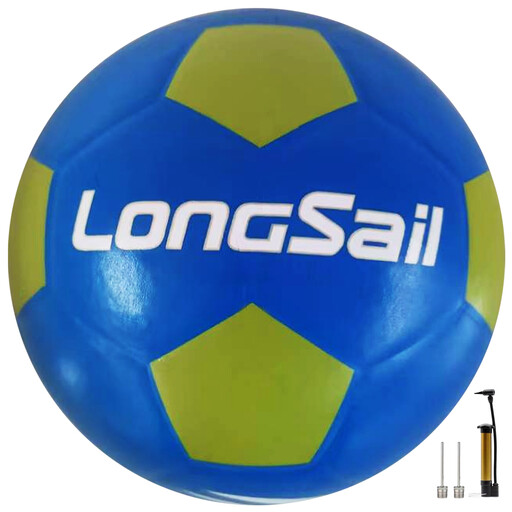
Why This Fits Their Persona: This is an ideal first football for children under 8. The Size 3 specification is perfect for small feet, and the soft-touch foam rubber construction is less intimidating for beginners. It's a complete kit, including a pump, so it's ready for the garden straight away.
It directly avoids the "Size Mismatch" trap by being a proper kids football. Its seamless foam rubber shell also counters the "All-Weather Illusion" by being genuinely waterproof and not absorbing water.
The seamless, waterproof construction ensures consistent performance in wet grass. It also comes as a full set with a pump and storage bag.
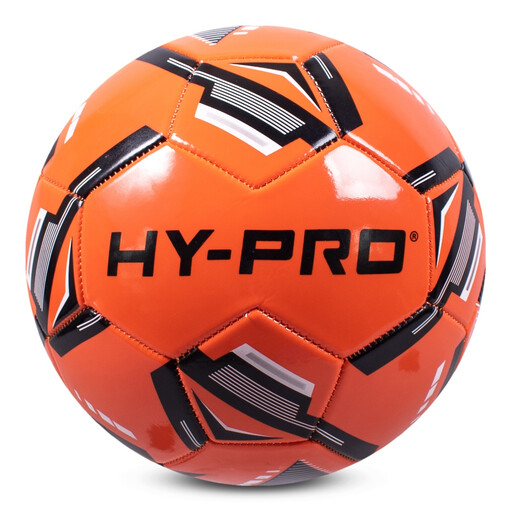
Why This Fits Their Persona: For those needing a reliable size 5 football for regular kickabouts in the park or garden, this is a solid, no-fuss option. The durable PVC construction is designed for casual play and skill development, offering good value for frequent, non-professional use.
This ball avoids the trap of over-promising. It is presented as a durable PVC ball for casual play, setting realistic expectations. It focuses on being a dependable practice football rather than making unverified "professional" claims.
It offers a consistent and reliable performance for skill development at an affordable price point. The strong stitching and reinforced panels add to its overall durability for regular outdoor use.
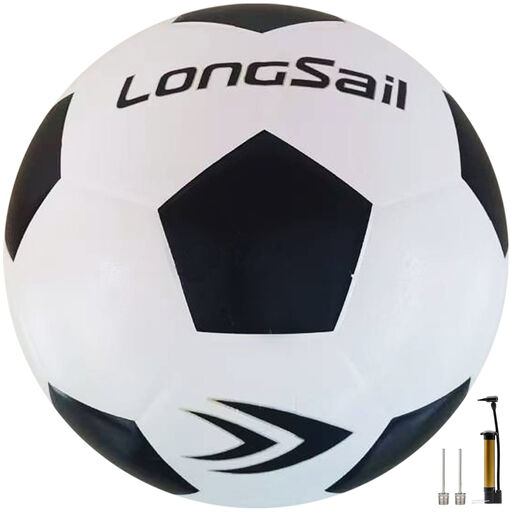
Why This Fits Their Persona: For players who train year-round, regardless of the weather, this ball's construction is its main selling point. The seamless foam rubber shell is designed to be completely waterproof, ensuring it won't become heavy and waterlogged during a rainy session.
This ball is the direct antidote to the "All-Weather Illusion." Its seamless design means there are no stitches to absorb water, ensuring it maintains a stable weight and performance in the wet, making it a true all weather football.
Superior waterproofing and durability for play on any surface, including grass, turf and even beaches. It also features advanced air-retention technology to minimise the need for re-inflation.
We have compiled a complete, real-time list of products that fully satisfy these strict selection criteria and UK safety regulations.
The lifespan of a training football depends heavily on its material, the surface it's used on and the frequency of play. A quality PVC ball used a few times a week on grass might last a season or two. A more durable football with a TPU or seamless rubber construction can last significantly longer. Regular use on abrasive surfaces like concrete or tarmac will dramatically shorten any ball's life.
Most footballs have the recommended pressure printed near the valve, which is typically between 6 and 9 PSI (Pounds per Square Inch). Using a pressure gauge is the best way to be accurate. A correctly inflated ball provides the right bounce and feel for control. Over-inflating can put stress on the seams and bladder, while an under-inflated ball will feel heavy and unresponsive.
Yes, most modern footballs are suitable for use on 3G or 4G artificial pitches. Materials like TPU and seamless rubber perform particularly well on these surfaces. However, be aware that the abrasive nature of some artificial turfs can cause more cosmetic scuffing compared to natural grass. Always check your ball for damage after playing on any hard or artificial surface.