
24/7 Customer Support

Free returns

Same-day & Next-day Delivery

Quality Guaranteed

Unlock Your Welcome Offers: FREE Delivery | Up to 80% OFF | Free 30-day JoyPlus trial
Download the APP
The right bag or case should protect what you carry without becoming awkward, oversized or difficult to organise. Whether you need a Nintendo Switch travel case for train journeys, a laptop backpack for commuting, or a camping gear bag for weekends outdoors, the product description alone may not reveal whether it suits your routine.
The most common purchasing mistakes are usually caused by three traps:
Before comparing products, consider what you are carrying, how often you will move it and the conditions it will face.
For electronics, compatibility is more important than appearance. A Nintendo Switch travel case should hold the exact console version you own, with enough room for essential accessories but not so much empty space that the device moves around.
For laptops, check both the stated screen size and the internal compartment dimensions. A “15.6-inch” laptop backpack may not suit every laptop with a 15.6-inch display because bezel sizes and chassis shapes vary. If a device is close to the stated limit, measure its width, depth and thickness before ordering.
A laptop sleeve is usually more compact than a backpack, while a larger computer bag may offer room for a charger, notebook and documents. For cameras, headphones and handheld consoles, look for padded or moulded compartments rather than relying on the outer material alone.
The outer fabric should match the use case. Polyester, canvas and PU-style materials can be suitable for daily carrying, but their resistance to rain, abrasion and scuffing varies. A waterproof travel bag should have clearly stated water protection and secure closures; a water-resistant bag is generally more appropriate for light showers and accidental splashes.
Hard-shell cases, such as a headphone hard case or console case, provide a rigid outer layer against crushing and knocks. A soft padded case may be lighter and easier to pack, but it offers less structural support. Check for:
Materials are not a substitute for careful handling. Keep liquids sealed, avoid overloading and follow any product-specific safety instructions.
Capacity should be assessed alongside weight and carrying style. A large portable storage bag may carry more equipment but become uncomfortable when full. Shoulder straps, padded backs, handles and wheels can make a meaningful difference during station changes, airport transfers or walks from the car to a campsite.
For travel, compare the packed size with airline cabin limits rather than relying only on the product name. A cabin bag or carry-on backpack with an expandable section offers flexibility, but it should be measured in its fully expanded state.
Specialist organisers also deserve attention. A jewellery organiser needs soft lining, divided sections and secure closure. A medicine organiser should be easy to identify and close securely; always follow the label and storage guidance for medicines and supplements. For camping, removable dividers and a stable base can prevent cookware and equipment from shifting.
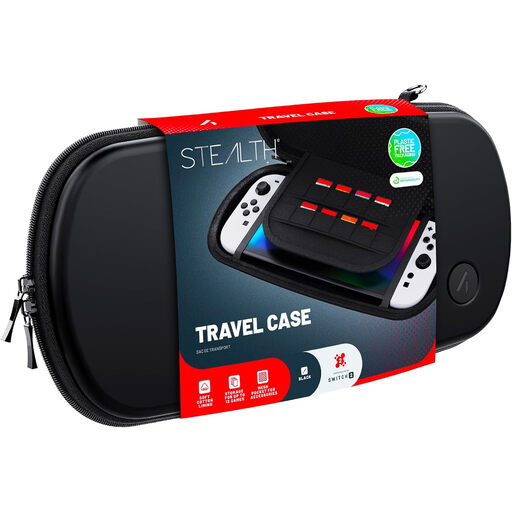
Why This Fits Their Persona: A compact option for students, families and casual gamers travelling by public transport or storing a console at home. It is compatible with Switch 2, Switch, Switch OLED and Switch Lite, with a foam adapter for Lite models.
Its hard-shell exterior and soft cotton lining address the weakness of thin fabric pouches, while the dual-zip fastening helps keep contents enclosed.
Stores up to 12 game cards and includes a mesh accessory pocket, with an approximate weight of 200g.
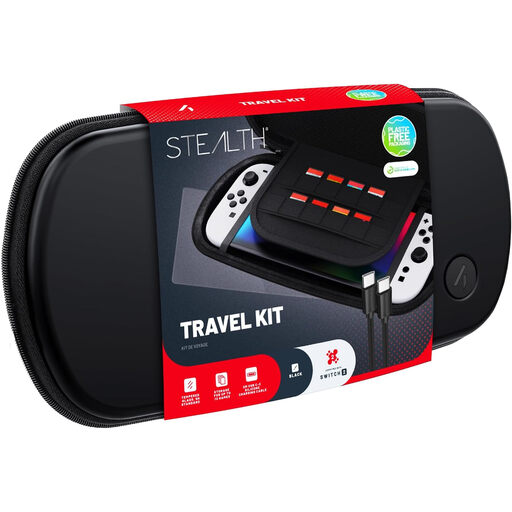
Why This Fits Their Persona: Suitable for Switch 2 owners who want console and screen protection in one compact bundle for commuting, holidays or visits to friends.
The precise Switch 2 fit helps reduce movement, while the hard shell and padded interior offer more structure than an unlined portable storage bag.
Includes accessory storage and a high-transparency screen protector, with a smooth zip closure.
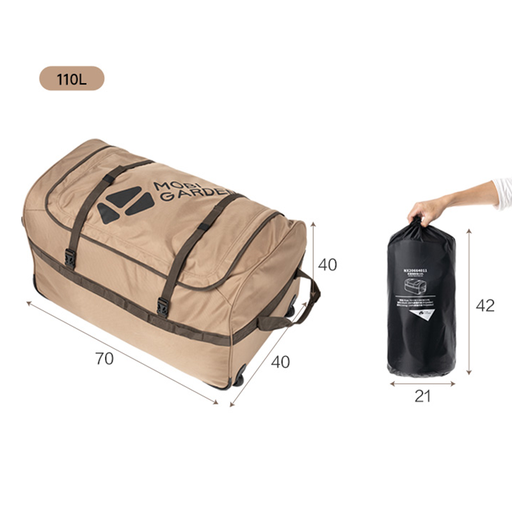
Why This Fits Their Persona: Designed for campers, anglers and outdoor users moving bulky equipment between vehicles, campsites and storage areas.
The built-in wheels reduce the need to carry a full load, while the foldable design avoids leaving a large empty bag in a cupboard.
Offers 110L capacity, measures approximately 70 × 40 × 40cm and folds to approximately 42 × 21cm.
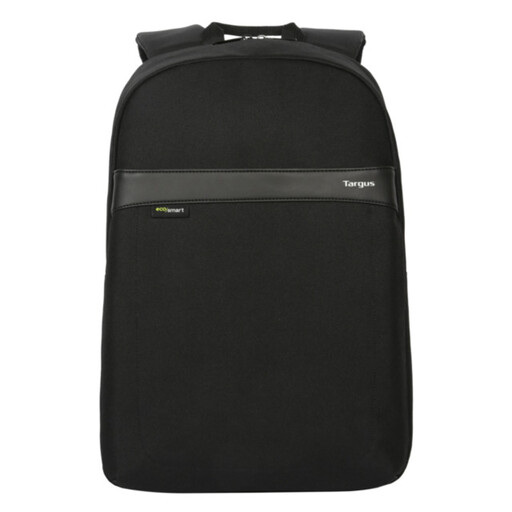
Why This Fits Their Persona: A practical laptop backpack for office commutes, university travel and business trips where device protection and comfortable carrying matter.
The padded laptop compartment is more protective than an open main compartment, while the water-resistant exterior is suited to light rain and spills.
Fits laptops up to 15.6 inches and includes padded shoulder straps, a contoured back panel and a front zipped pocket.
A Kono 40 × 30 × 20cm expandable cabin bag includes a laptop sleeve and wet/dry separation, making it worth considering for business weekends and short trips. For camera equipment, the ULANZI PK-04 Carrying Bag for DJI Osmo Pocket 3 is designed around a specific camera and accessory setup, so check your exact bundle before ordering.
At home or on holiday, the JOYFURNOS three-layer jewellery organiser provides divided storage, a lockable design and a smaller travel case. For audio equipment, the U5415 EVA Zipper Carrying Hard Case has a soft interior, dual zips, a detachable pocket and a wrist strap for over-ear foldable headphones.
We have compiled a complete, real-time list of products that fully satisfy these strict selection criteria and UK safety regulations.
They serve different purposes. A hard-shell case generally provides more rigid protection against pressure and knocks, while a soft bag is often lighter, more flexible and easier to fit inside luggage. Choose according to the item’s fragility, your available space and how the bag will be transported.
Airline allowances vary, so check the current policy of the airline operating your journey. Measure the bag’s height, width and depth when fully packed or expanded, including wheels and handles where applicable. Do not rely solely on labels such as “cabin bag” or “carry-on”.
Avoid overfilling, keep zips free from grit and wipe off mud or spills promptly. Allow damp bags to dry fully before storage, and keep sharp objects away from soft linings. For rolling camping bags, clear sand from the wheels and avoid dragging them over unsuitable terrain. Regularly checking seams, handles and closures can also identify wear before the contents become vulnerable.