For a walking-heavy holiday, choose a fixed-lens compact if carrying one small camera matters more than changing lenses; choose a travel zoom if distant subjects make a longer built-in lens important. A mirrorless system makes more sense when you will use and carry selected lenses, while a rugged camera suits trips where water, impacts or cold are central concerns. Compare the complete kit you would take, then check charging, airline battery rules and insurance cover before departure.
Who is each camera route for?
One-bag city-break photographers
If you want more framing control than a phone offers but do not want a separate lens kit, a fixed-lens compact keeps packing simple. Compare its actual lens range with the streets, interiors and distant details you plan to photograph.
Flexible photo-and-video travellers
If you are prepared to carry a camera body and selected lenses, a mirrorless system lets you choose lenses for particular subjects. Judge its portability with those lenses attached and packed, not from the body alone.
Wet-weather and activity-holiday travellers
If your plans involve water, cold or likely knocks, look for protection stated for the specific camera and activity. A weather-resistant description is not a substitute for checking the model’s water-use limits.
What matters when choosing?
Start with the subjects and conditions on your itinerary, then decide how much camera equipment you will carry throughout the day. A camera’s route matters more than an isolated body specification.
Pocket compact
Choose it when: City walks and casual travel call for a self-contained camera you can keep close at hand.
Accept: Its built-in lens sets the framing options; you cannot change it for a specialised lens later.
Travel zoom
Choose it when: One fixed-lens camera needs to frame both wide views and distant subjects without an extra telephoto lens.
Accept: Broad built-in reach does not offer the lens choice of a mirrorless system.
Mirrorless system
Choose it when: You have particular lenses in mind for the subjects you expect to shoot and will carry them.
Accept: The ready-to-use kit includes a lens and may need more packing space than its body size suggests.
Rugged camera
Choose it when: Water exposure, cold or knocks are a central part of the trip.
Accept: Model-specific protection has limits, and the camera’s lens may not frame every subject you want.
| Concern |
What to check |
Who this matters to |
| All-day carryability |
Compare ready-to-shoot size and weight, including the lens and the equipment you will carry with it. |
If I am walking around a city all day, I need a camera I will actually take out rather than leave behind. Around 36% of consumers put easy, all-day carrying first. |
| Lens choice |
Identify the lenses needed for planned subjects and check the size of the complete kit. |
For portraits, varied photo and video work, or other planned shots, I would carry selected lenses to get the framing I want; roughly 29% of consumers prioritise that flexibility. |
| Distant or moving subjects |
Compare stated optical ranges in 35mm-equivalent terms and the focusing features relevant to your subjects. |
If distant landmarks or fleeting action matter most, I need suitable reach without assuming digital zoom replaces an optical lens. About 21% of consumers put framing those subjects first. |
| Water, knocks and cold |
Match the specific model’s stated protection limits and use instructions to the activity. |
For a water-based or cold-weather activity, I need protection appropriate to what the camera may encounter; around 14% of consumers make resilience their primary concern. |
Buying pitfalls to avoid
-
Comparing a mirrorless body with a ready-to-use compact
Fujifilm lists the X-M5 body at 355g, but that figure does not include the lens needed to take photographs. A body-only comparison can understate what you will carry.
List the exact body, lenses, battery, charger, cards and protection you intend to pack, then compare that kit with a fixed-lens camera.
Additional lenses and a larger protective bag can add to the carrying burden.
-
Treating digital zoom as the optical lens range
The stated optical ranges differ substantially between models: Panasonic gives the TZ99 a 24–720mm equivalent lens, while Sony lists 24–200mm equivalent coverage for the RX100 VII. Those are model-specific ranges, not a property of every compact camera.
Compare optical focal-length ranges in the same equivalent units against the subjects on your itinerary.
-
Packing spare batteries in checked luggage
The UK Civil Aviation Authority advises keeping spare batteries and power banks in the cabin. Battery rules can affect how you pack even a small camera kit.
Protect spare-battery terminals, keep spares in hand luggage and check the operating airline’s current battery and watt-hour rules.
-
Assuming insurance covers the whole camera kit
Post Office Travel Insurance illustrates why cover needs a closer look: its photographic and electronic equipment limits differ by policy tier. A camera body and separate lenses should not be treated as automatically covered to their full value.
Check your own policy’s current per-item and total limits, exclusions and proof-of-ownership requirements for each item you will take.
Brands and camera ranges to consider
These model ranges illustrate different ways to build a travel kit; a brand name alone does not establish which camera suits your trip.
Panasonic LUMIX
The TZ99 illustrates the fixed-lens travel-zoom route for travellers who want wide-to-long framing in one camera.
- Panasonic specifies a 30x optical lens with 24–720mm equivalent coverage on the TZ99.
- Its lens is fixed, so it does not offer the lens choice of an interchangeable-lens system.
Sony
The RX100 VII illustrates a compact route for travellers considering a built-in zoom and moving-subject features.
- Sony specifies a 24–200mm equivalent lens and tracking autofocus for the RX100 VII.
- That fixed lens cannot be exchanged for a longer or more specialised one.
Fujifilm
The X-M5 illustrates a relatively light interchangeable-lens body for travellers willing to plan their lens kit.
- Fujifilm specifies an APS-C sensor and X mount for the X-M5.
- Its stated 355g body weight excludes the lens, so it is not the weight of a ready-to-shoot travel kit.
Canon
The EOS R7 illustrates an APS-C interchangeable-lens route for travellers planning to photograph people, animals or vehicles.
- Canon specifies subject recognition and tracking for those subjects on the EOS R7.
- The lens or lenses needed for the trip must be chosen and carried alongside the body.
OM SYSTEM
The Tough TG-7 illustrates a rugged fixed-lens choice for activity-led trips.
- OM SYSTEM specifies waterproofing to 15m, shock protection to 2.1m and freeze protection to −10°C for the TG-7.
- Its 25–100mm lens may not provide the framing wanted for distant subjects; follow the model’s stated environmental limits.
Joybuy cameras for different trips
These choices span fixed-lens compacts, an interchangeable-lens kit and action cameras for activity-focused trips. Decide whether your priority is everyday still photography, carrying selected lenses or recording activities before comparing individual models.
 No image available
Sony ZV-1 II compact camera
Consider this fixed-lens option if you want one camera for travel stills and video without packing separate lenses.
The product title lists a 1-inch stacked sensor, wide-angle zoom lens, 20MP stills and 4K video. Check its optical focal range against the subjects you expect to photograph.
View on Joybuy
 No image available
Sony ZV-E10K with 16–50mm Power Zoom lens
Consider this interchangeable-lens kit if you intend to choose lenses for particular travel subjects rather than rely on one fixed camera.
The named kit includes a 16–50mm Power Zoom lens. Check whether that lens covers your planned shots and assess the weight of everything you will carry.
View on Joybuy
 No image available
Sony ZV-1F compact vlog camera
This fixed-lens compact is a choice to examine if wide scenes and self-recording matter more than reaching distant details.
Its product title identifies a 1-inch sensor and an ultra-wide lens. Check whether its fixed view suits your holiday photographs; it is not a travel zoom.
View on Joybuy
 No image available
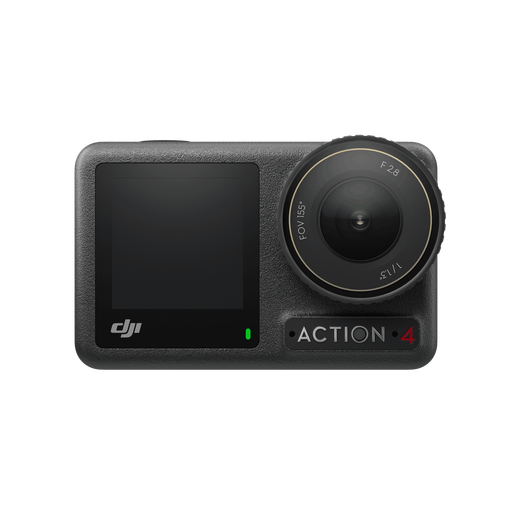
DJI Osmo Action 4 Adventure Combo
Consider an action camera when recording activities is more important than varied framing for general holiday stills.
The product title lists 4K/120fps video, a 155° field of view and three extra batteries in the Adventure Combo. Check the camera’s water-use instructions and your airline’s rules for carrying the batteries.
View on Joybuy
No image available
DJI Osmo Action 6 Standard Combo
This action-camera option is worth comparing for activity-focused video, rather than assuming it will replace a stills-oriented travel camera.
The product title lists a 1/1.1-inch square sensor, variable aperture and 4K recording. Check the framing and water-use conditions for your plans, as well as the battery rules for your flight.
View on Joybuy
Travel-camera questions
Travel zoom or mirrorless camera for a short city break?
Choose a travel zoom if covering wide views and distant details with one fixed lens matters more than changing lenses. Panasonic specifies 24–720mm equivalent coverage for the TZ99; choose mirrorless instead if you will carry and use particular lenses, remembering that a body weight excludes them.
Can I take a camera and spare batteries on a flight?
GOV.UK says cameras can usually travel in hand or hold luggage, while the UK Civil Aviation Authority advises carrying spare batteries and power banks in the cabin. Check the operating airline’s current restrictions, including battery capacity and how terminals must be protected.
Should the camera go in hand luggage?
Hand luggage lets you keep the camera and its spare batteries together while following the cabin rule for spares, but check your airline’s equipment requirements. The UK Civil Aviation Authority also advises removing batteries or lithium-powered devices if a cabin bag is taken for hold loading; GOV.UK says a device may need to switch on when requested.
Will travel insurance cover my camera and lenses?
Do not assume it covers their full value. GOV.UK advises choosing cover appropriate to the trip, and Post Office Travel Insurance illustrates how photographic-equipment limits can vary by policy tier. Check your own policy’s current per-item and total limits, exclusions and requirements for lenses and proof of ownership.


