For a spoken travel diary in an untreated room, prioritise a microphone you can keep close to your mouth: use a compatible lavalier with a handheld recorder, or a wireless clip-on microphone with a compatible phone or camera. Choose a handheld recorder’s built-in stereo microphones when the sound of the location matters too, accepting more room sound in the narration. As Shure explains, a microphone cannot separate direct speech from room reflections simply by recording it; 32-bit-float recording helps with level setting, not echo.
Who each setup suits
Voice-first solo diarists
If understanding every spoken reflection matters more than recording the whole room, a lavalier or clip-on microphone worn close to your mouth is worth considering. Shure explains that a microphone cannot distinguish direct speech from reflected speech merely because you want it to.
Ambient travel storytellers
If a location’s sound is part of the diary, a handheld recorder with built-in stereo microphones lets you capture narration and surroundings together. That also means accepting more room sound when you speak from farther away.
Low-kit travellers
If you want little setup and a manageable power and storage routine, consider a pocket recorder or a handheld model that uses replaceable batteries. Keep microphone position in mind: portability alone will not make speech clearer in a reflective room.
What to check before buying
Decide how close the microphone can be to your mouth before comparing recording controls, power and storage. A setup that captures more of the room may be the right choice for ambience, but it is a different choice from prioritising spoken clarity.
Handheld recorder with a wired lavalier
Choose it when: Your narration is the priority and you can wear a compatible microphone close to your mouth.
Trade-off: You must manage a cable and clothing noise, and a close microphone captures less of the room’s atmosphere.
Handheld recorder with built-in microphones
Choose it when: You want spontaneous narration alongside the sound of the place.
Trade-off: If you hold the recorder away from your mouth, room reflections become more prominent in the speech.
Wireless clip-on microphone
Choose it when: You already record on a compatible phone, camera or computer and want the microphone near your mouth.
Trade-off: The microphone system is not a standalone recorder; your host device, file storage and charging routine remain part of the setup.
| Concern |
What to check |
Who this matters to |
| Speech in a reflective room |
Check lavalier input and plug compatibility, or whether a clip-on system works with your recording device. Plan a close microphone position. |
If my diary is mainly spoken, I want the words to remain intelligible rather than sound distant and echoey; roughly 42% of consumers put this need first. |
| Quick starts and changing volume |
Check the exact model’s record controls, pre-recording option and recording format, including whether it offers 32-bit float. |
When an observation is brief or my speaking volume changes, I want to start recording without lengthy adjustments. Around 33% of consumers prioritise that ease of capture. |
| Power and storage on the move |
Compare battery arrangements and stated runtime conditions; check internal storage, compatible cards and your file-transfer plan. |
On a long day away from charging, I need a workable way to power the setup and keep its files. Roughly 25% of consumers make that travel routine their primary concern. |
Buying pitfalls
-
Expecting 32-bit float to remove room echo
Zoom and Tascam describe 32-bit float as a way to reduce routine level-setting concerns on their relevant recorders. It does not change the reflected speech reaching the microphone.
For a spoken diary, establish a close microphone position first; then consider recording format and level handling.
-
Using built-in stereo microphones for every diary
Built-in microphones can include the sound of a place, but a recorder positioned away from your mouth also picks up more room reflections relative to your voice.
Use that wider sound deliberately for ambience. If the entry is voice-led, try a compatible external microphone near your mouth and listen to a short test recording.
-
Assuming a wireless microphone records by itself
RØDE presents Wireless ME as a microphone system for compatible cameras, computers and smartphones, not as a self-contained handheld recorder.
Before choosing this route, confirm the host device, connectors, recording app, file storage and charging plan you will actually use.
Relevant brands for reference
Zoom
A reference point for compact handheld recording when you want the option of adding a wired lavalier for spoken entries.
- Zoom lists 32-bit-float recording and built-in X/Y microphones for the H1essential; its manual describes connecting a lavalier to the mic/line input.
- The H1essential’s built-in microphones still capture room reflections when positioned away from the speaker. Check lavalier compatibility before choosing an accessory.
Tascam
Relevant if you want a handheld recorder for both location sound and diary narration, with a replaceable-battery routine.
- Tascam lists adjustable stereo microphones, 32-bit-float recording, an external-input jack and operation from two AA batteries for the DR-07XP.
- Its built-in microphones are not a substitute for close placement when speech clarity in a reflective room comes first; check external-microphone compatibility for that use.
RØDE
Relevant to diaries recorded on a compatible phone, camera or computer when a worn microphone suits the entry.
- RØDE describes Wireless ME as a compact wireless microphone system for those host devices.
- It relies on a host device to record. Confirm the connection and charging workflow rather than treating it as a standalone recorder.
Sony
Relevant if you favour a compact recorder with internal storage and the option to expand it.
- Sony’s UK PCM-A10 specifications list 16 GB of built-in memory, microSD support, built-in stereo microphones and a microphone/external-input jack.
- Built-in microphones held away from your mouth remain exposed to room reflections. Check microphone compatibility if close voice capture is the priority.
Joybuy recorders for travel diaries
These portable voice recorders are options for starting diary entries with little setup. For voice-led recording in an untreated room, check how you would keep the microphone close to your mouth before choosing one; storage capacity or recording controls alone do not settle that question.
 No image available
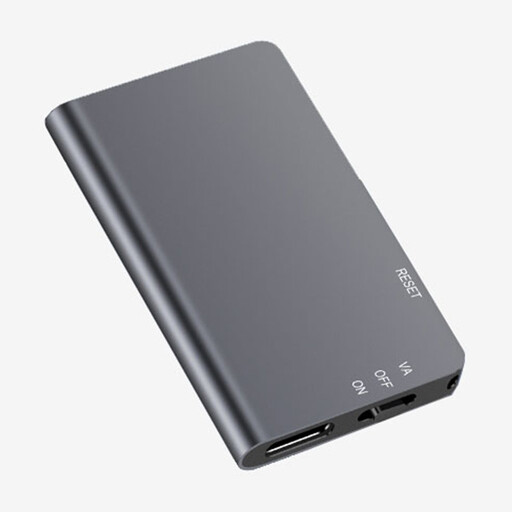
Rexsun L810 64GB Digital Voice Recorder, Grey
Consider this model if you want a one-touch way to start a travel-diary entry. Its title specifies 64 GB of storage; before relying on it for voice-led entries in a reflective room, check how you would position its microphone close to your mouth.
View on Joybuy
 No image available
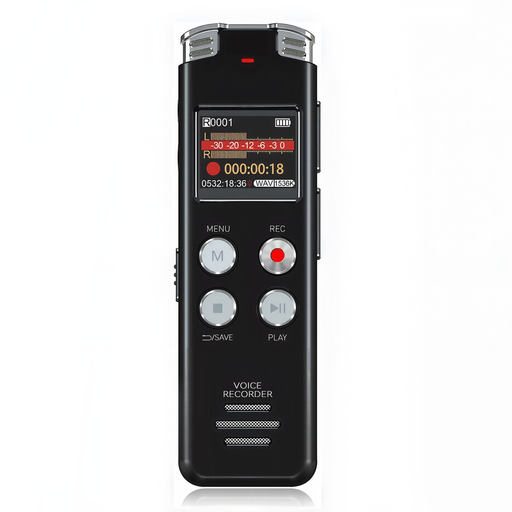
Rexsun L357 128GB Digital Voice Recorder with LCD Screen, Grey
Consider this model if you want a portable recorder with a screen for diary capture. The title specifies 128 GB of storage; its noise-reduction wording does not establish that it can remove room reflections, so check your intended microphone position.
View on Joybuy
 No image available
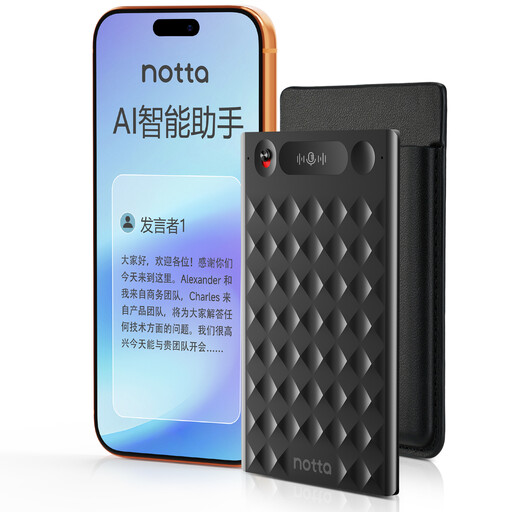
32GB AI Voice Recorder with Case, Black
Consider this recorder if one-press operation suits your diary routine. Its title specifies 32 GB of storage and a case; check how its microphone placement and file-management workflow would work for your entries, rather than assuming an in-room mode controls echo.
View on Joybuy
Questions about recording travel diaries
Will 32-bit-float recording fix echo in an untreated room?
No. Zoom and Tascam describe 32-bit float as helping with level-setting on their relevant recorders, while Shure explains that a microphone cannot separate direct speech from room reflections. Keep the microphone close for a voice-led entry; assess 32-bit float separately as a recording-workflow feature.
Where should I put the microphone for an indoor spoken diary?
Place it closer to your mouth than a distant tabletop or room position, then make a short test recording and listen for echo or handling noise. Shure notes that speech can become harder to understand when a microphone is too far from the speaker relative to the room’s reflections.
What should I check about power and files before travelling?
Check battery life under the stated recording settings, how you will recharge or carry spare batteries, and where recordings will be stored and transferred. For distinct options, Tascam specifies operation from two AA batteries for the DR-07XP, Sony lists 16 GB of internal memory and microSD support for the PCM-A10, and RØDE describes Wireless ME as a rechargeable microphone system used with a host device.


