What to check before choosing
Start with the software and desk connections you cannot change easily, then balance the built-in screen and carrying size against your work away from the desk.
| Concern | What to check | Who this matters to |
|---|
| Standing-desk setup |
Check how you will raise the screen and connect a separate keyboard and mouse; confirm the required monitor connection if using another display. |
For long drafting sessions, I need the screen and input devices positioned separately rather than relying on the laptop alone. Around 33% of consumers put this desk setup first. |
| Travel portability |
Compare the exact model’s weight, charger and charging requirements. Treat advertised battery life as a vendor claim, not a promise of drafting time. |
When I carry my laptop between writing locations, its size and charging arrangement affect what I take with me. Roughly 27% of consumers prioritise portability and work away from a socket. |
| Writing and research |
Choose memory and storage for your usual tabs, documents and files; check whether the selected configuration can be upgraded. |
If I keep research tabs and a draft open together, I want a configuration that fits that workload without depending on a later upgrade. About 20% of consumers make writing-and-research capacity their primary concern. |
| Software and accessories |
Confirm your publishing tools run on the operating system and that the exact ports or adapters suit your monitor and other devices. |
A laptop only fits my workflow if it runs the tools I need and connects to my desk equipment. Around 20% of consumers put software and peripheral compatibility first. |
Joybuy laptops for this setup
These laptops offer different approaches to drafting while travelling and connecting a standing-desk setup. Check the operating system, exact configuration and display connection against your own tools.
 No image available
ASUS Vivobook 14 X1407QA-LY003W, Snapdragon X, 16GB/512GB, Quiet Blue
For drafting on a 14-inch laptop, this configuration lists 16GB RAM and a 512GB SSD. Check that your required publishing software and peripherals work with its Snapdragon X platform, and confirm the connections needed for your desk display.
View on Joybuy
 No image available
HP OmniBook Ultra Flip 14-fh0006na 2-in-1, 16GB/1TB, Windows 11 Home
For mobile drafting in a 2-in-1 format, this Windows 11 Home configuration lists 16GB RAM and a 1TB SSD. Confirm the exact display resolution and port arrangement before deciding how it will connect at your standing desk.
View on Joybuy
 No image available
Acer Chromebook Plus 514 CB514-5H, Core i3-1315U, 8GB/256GB, Iron
For writing centred on browser-based tools, this 14-inch Chromebook lists a 1920 × 1200 screen, 8GB RAM and a 256GB SSD. Check that ChromeOS runs your publishing tools and that the memory suits your usual research-tab workload.
View on Joybuy
 No image available
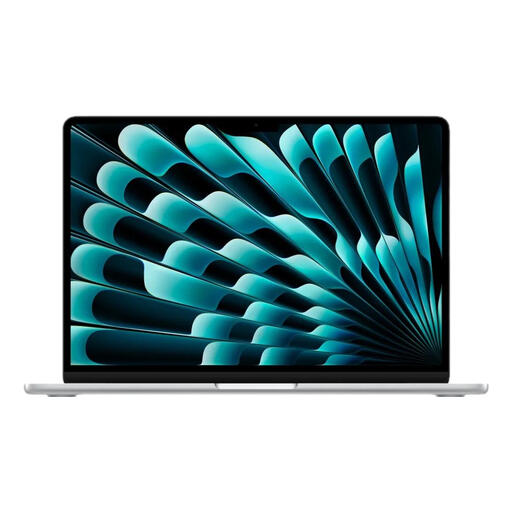
Apple MacBook Air 13-inch M5, 10-core CPU and GPU, 16GB/1TB, Silver
For a compact macOS writing setup, this M5 configuration lists 16GB memory and a 1TB SSD. Apple UK lists two Thunderbolt 4/USB-C ports for the M5 MacBook Air; check your publishing software, display requirements and adapters before choosing it.
View on Joybuy
 No image available
ASUS Vivobook 15 X1504VA, Core 5 120U, 24GB/1TB, Cool Silver
For writers who favour a larger built-in screen over a smaller travel format, this configuration lists a 15.6-inch display, 24GB RAM and a 1TB SSD. Confirm the connections for your intended monitor, particularly if you plan to use USB-C for video.
View on Joybuy
Frequently asked questions
Do I need a particular laptop for a standing desk?
No laptop specification alone completes a prolonged standing-desk setup. The Health and Safety Executive advises using a separate keyboard and mouse so a laptop screen can be raised; choose a laptop that connects to the display and input devices you intend to use.
Should I choose a 13-inch or 14-inch laptop for travel writing?
Choose by how often you work on the built-in screen versus carrying the laptop. A 13-inch model keeps the screen compact, while a 14-inch model gives you a larger built-in working area; compare the exact models’ weights and use a separate display if your fixed-desk work needs more room.
Can I cancel an online laptop order after delivery in the UK?
For UK distance sales, GOV.UK says customers can generally cancel up to 14 days after delivery without giving a reason. Check the seller’s cancellation instructions and any applicable exceptions; a change-of-mind cancellation is separate from remedies if the laptop is faulty or misdescribed.
What should I do if a newly bought laptop is faulty?
Contact the seller and explain the fault rather than treating a manufacturer’s warranty as your only route. The Consumer Rights Act 2015 covers faulty goods sold by businesses to consumers; keep the order confirmation and listing details to help establish what was supplied.
What should I do with an old laptop?
Use an appropriate electronics take-back or recycling route and erase your personal data before handing the laptop over. The UK waste electrical and electronic equipment framework, described by the Office for Product Safety and Standards and the Department for Environment, Food & Rural Affairs, addresses the recovery and recycling of electrical equipment.


