Travellers short on charging access
If wall sockets are scarce, consider how often the keyboard itself will need power and whether carrying spare batteries is easier than finding a charging port.


Choose the keyboard’s power arrangement alongside its size: replaceable batteries reduce competition for charging ports, while a rechargeable model still needs a suitable powered USB source. A covered, slim keyboard suits short entries on a tablet; multi-device switching matters if you move between screens, while a more substantial layout may be worth the bag space for longer edits.
If wall sockets are scarce, consider how often the keyboard itself will need power and whether carrying spare batteries is easier than finding a charging port.
If you draft on a tablet or phone and sometimes switch to a laptop, look for a keyboard you can pack easily and pair with the devices you actually use.
If your journal includes substantial revisions, captions or itineraries, consider key feel, layout and shortcut access as well as packed size.
Settle the power question first, then check whether the keyboard fits your bag, devices and longest likely editing session.
| Concern | What to check | Who this matters to |
|---|---|---|
| Power between stops | Check the battery type and model-specific runtime conditions; for rechargeable models, confirm you will have a suitable powered port. | When sockets are scarce, I want the keyboard to add as little charging demand as possible; roughly 34% of consumers would make power independence their main concern. |
| Space in the bag | Compare published dimensions and weight, and check whether the keys have an integrated cover. | If I move often with a small bag, I need a keyboard I can carry and protect without giving up the keys I use; around 33% of consumers would put packability first. |
| Device switching | Confirm operating-system support and how many devices the exact model can pair with or switch between. | I might take notes on my phone, draft on a tablet and revise on a laptop, so changing devices without repeated pairing matters; about 22% of consumers would prioritise compatibility and switching. |
| Longer editing sessions | Check the key layout and feel, shortcut options and whether lighting changes your charging plans. | For lengthy revisions, I care more about familiar keys and editing controls than the smallest packed size; roughly 11% of consumers would make longer-session typing their primary concern. |
A wireless keyboard still needs replacement batteries or recharging. Backlighting and use conditions can also affect how often a rechargeable model needs power.
Decide whether carrying spare batteries or finding a powered USB port is more practical, then check the chosen model’s battery information.
That choice can also mean packing spare batteries or a suitable charging cable.
Key legends and positions depend on the selected variant; operating-system support and shortcuts can differ by model too.
Check the exact layout, supported devices and switching method before ordering. Apple’s UK listing for one Magic Keyboard variant, for example, specifies US English.
A travel-first layout saves bag space, but its key arrangement may not suit repeated, lengthy revisions.
Match the layout to the longest entry you expect to edit, not just the space available in your bag.
A UK-ISO option identifies a layout, not where an individual order will be fulfilled or how after-sales support will work.
For a Keychron K3 Max UK-ISO listing, confirm the selected variant, seller location, delivery terms, returns process and warranty coverage before ordering.
Its compact keyboard range offers different approaches to travel writing rather than one shared power or typing arrangement.
The K3 Max ISO collection is relevant if a compact mechanical layout, several connection modes and remapping appeal to you.
Magic Keyboard is an option for compatible Mac, iPad or iPhone users who want a rechargeable wireless keyboard.
These choices span portable Bluetooth use, compact mechanical layouts and a full-size UK-layout option. Compare their power needs, key layouts and carrying size against your own trip.
 No image available
Consider its compact mechanical layout if your journal involves longer edits. The title specifies 68 keys, Bluetooth 5.1 and wired modes, and white backlighting. Check that the US QWERTY layout suits you and that the battery runtime meets your plans away from power.
 No image available
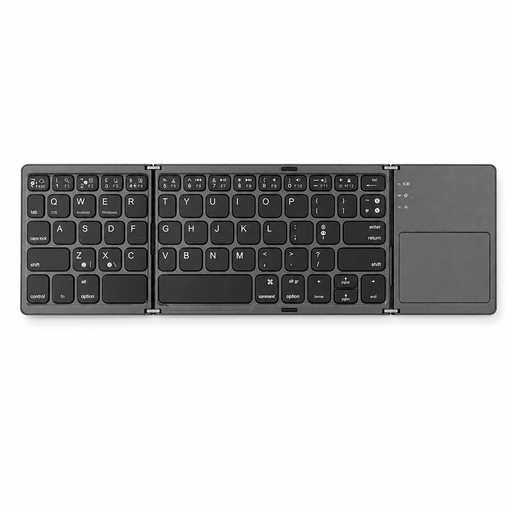
This is a wireless option to consider if you write on a phone or tablet as well as a computer. Its title lists Bluetooth connectivity and compatibility with computers, laptops, iPads and smartphones; check your exact device, keyboard layout and charging needs before travelling.
 No image available
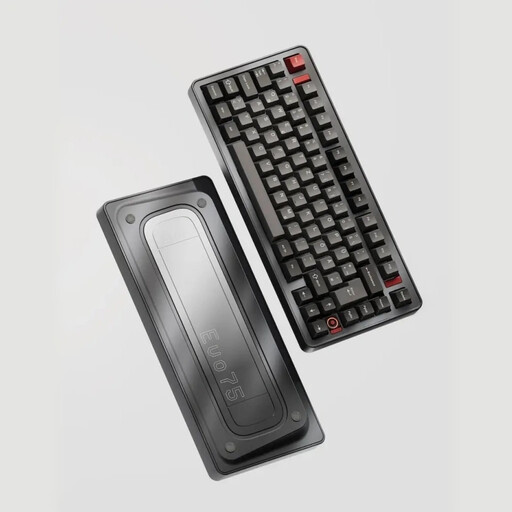
Consider this 75% mechanical keyboard if switch choice and remapping matter during longer revisions. The title specifies hot-swappable switches, VIA compatibility, an 8000mAh battery and RGB lighting. Capacity alone does not establish runtime; check battery life with your intended lighting settings, plus the US layout and packed size.
 No image available
Consider this option if retaining a full-size UK layout matters more than minimising bag space. The product title specifies a wireless keyboard; confirm its dimensions, power arrangement and compatibility with the devices you will take.
 No image available
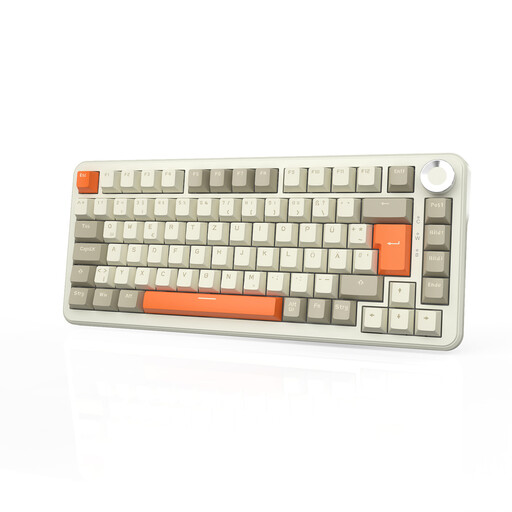
This 75% mechanical model may appeal if you want a compact layout and several connection options for editing. Its title specifies tri-mode wireless operation, a volume knob, RGB lighting and an 8000mAh battery. Check whether German QWERTZ key positions work for you and confirm runtime, device compatibility and carrying size before a trip.
Replaceable batteries suit you if avoiding a charging port matters most and you can carry spares; USB-C charging suits you if you will have a compatible powered source. For example, Logitech specifies USB-C recharging for MX Keys Mini for Business, while Apple says its Magic Keyboard can charge through a Mac’s USB-C port.
Yes, if the particular keyboard supports your devices and multi-device pairing. Logitech states that Pebble Keys 2 K380s and Keys-To-Go 2 can switch among up to three devices; Keychron lists Bluetooth connections for up to three devices in its K3 Max ISO collection.
Yes, if familiar British-English legends and key positions matter to your writing. Check the selected variant rather than the location of the shop page: Apple identifies one Magic Keyboard listing on its UK site as US English, while Keychron separately lists a UK-ISO K3 Max variant.
Check the listing’s manufacturer and model information, and use your local electrical-recycling guidance when the keyboard reaches the end of its life. The Office for Product Safety and Standards describes requirements for electrical equipment placed on the Great Britain market, while GOV.UK’s waste electrical and electronic equipment guidance addresses electrical-waste reduction.