
24/7 Customer Support

Free returns

Same-day & Next-day Delivery

Quality Guaranteed

Unlock Your Welcome Offers: FREE Delivery | Up to 80% OFF | Free 30-day JoyPlus trial
Download the APP
Planning a multi-day trek through the Peak District or the Scottish Highlands requires careful preparation, and your choice of backpack is one of the most critical decisions you will make. The right pack can make the difference between a memorable journey and a gruelling ordeal. For a 2-3 day trip, a trekking backpack 40l often hits the sweet spot, offering enough space for essentials without encouraging overpacking.
As your Joybuy Product Recommendation Officer, my role is to help you navigate the options. This guide will walk you through the essential features to look for and present some carefully considered recommendations to help you find a reliable companion for your next adventure.
Choosing a pack isn't just about capacity. For serious hiking, technical features are paramount for comfort and safety. Here are the key factors to consider.
A comfortable carry is non-negotiable on a long trail. Unlike a standard bag, a technical multi-day hike backpack is designed to transfer the majority of the load from your shoulders to your hips. This is achieved with a backpack with an internal frame. Look for features like:
The UK weather is famously unpredictable. While few packs are fully submersible, a good waterproof rucksack or one made from highly water-resistant materials is a wise investment. Most quality trekking packs use durable, abrasion-resistant fabrics like high-denier nylon. Many will also include a deployable rain cover stored in a dedicated pocket, providing an extra layer of protection during a downpour.
A 40-litre capacity is ideal for minimalist campers or for 2-3 day treks where you'll be staying in huts or bothies. Smart organisation helps you access gear without unpacking everything. Look for a main compartment, a separate section for a sleeping bag, lid pockets for small items, side pockets for water bottles and hip belt pockets for snacks or a compass. External loops and straps are also useful for attaching trekking poles or a sleeping mat, making it a versatile lightweight camping bag.
Based on the features that matter most for UK hikers, here are our recommendations. We've focused on a pack that meets the specific needs of a multi-day trek, while also highlighting other types of bags to illustrate the importance of choosing the right design for the right activity.
PELLIOT Trekking Backpack Unisex Camping Travel Waterproof Durable – 40L
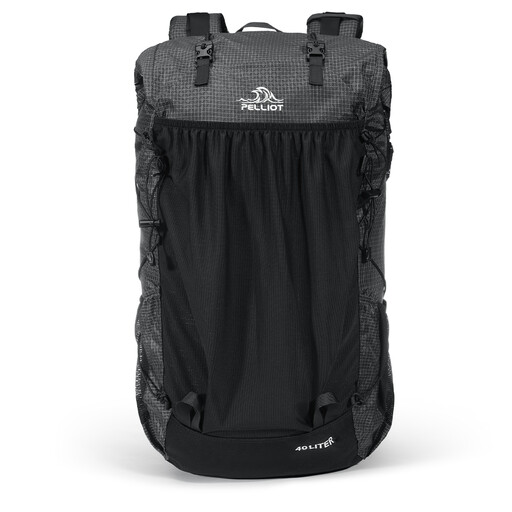
Why It Stands Out This PELLIOT model is a purpose-built trekking backpack 40l designed for the demands of long-distance walking. Its core strength lies in its sophisticated support system. The built-in alloy support frame works with a multi-segment pressure reduction design to effectively transfer weight to the hips, reducing strain on your shoulders and back. This is complemented by what the brand calls "Dynamic Walking Harness Technology," where the shoulder straps adjust to your movement, allowing for a more natural and less fatiguing stride. The 3D breathable cushioning system, with its S-shaped straps and ventilated back panel, is designed to maximise airflow and keep you cooler on strenuous climbs.
Pros
Who is it for? This is an excellent choice for the serious hiker planning 2-3 day treks. If you prioritise ergonomic comfort, load stability and organised gear access for carrying loads up to around 11kg, this pack is built for you.
To help you make an informed choice, it's useful to see how a dedicated trekking pack differs from other types of bags. The following are not direct alternatives for a multi-day hike but illustrate how design dictates function.
For Specific Gear Transport: OutdoorMaster 50L Boot Bag
OutdoorMaster 50L Boot Bag -Ski & Snowboard Boot Bag
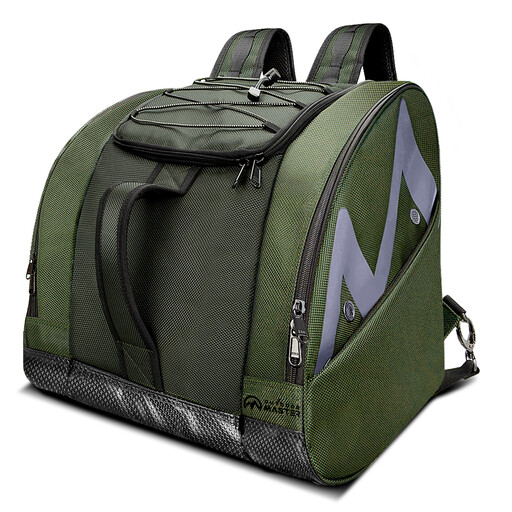
This bag highlights why capacity isn't the only factor. At 50L, it's spacious, but it is designed specifically for snow sports. Its compartments are shaped for ski boots, a helmet and goggles, and it features drainage holes for melting snow. It lacks the internal frame and supportive harness system needed to carry weight comfortably over many miles of trail. It serves as a great example that for trekking, a bag's ergonomic design is more important than its raw volume.
For Ultra-Light Day Trips: Beneunder LC183 Expandable Backpack
Beneunder LC183, Expandable Backpack 10L
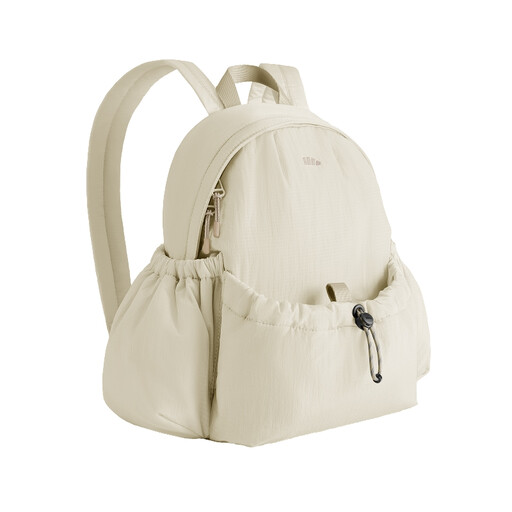
On the other end of the spectrum is this ultra-light pack. It's a versatile unisex travel backpack that expands from 10L to 13L. Made from lightweight, water-resistant nylon, it's perfect for city commuting or as a packable daypack you can bring on a longer trip. You could carry it within your main 40L pack and use it for short excursions from your campsite or bothy. However, its simple shoulder straps and lack of a frame mean it is not suitable for carrying the gear required for a multi-day hike.
The perfect pack is a personal choice that depends on your gear, your body and the type of trips you have planned. If our main recommendation isn't quite right, or if you're looking for different capacities and features, there are many other excellent options to consider.
Explore our full collection of waterproof hiking gear to find the perfect match for your next adventure.
1. Is a 40L backpack big enough for a 3-day hike? For many hikers, yes. A 40L pack is often considered the ideal size for 2-3 day trips, especially if you use modern, lightweight camping gear and plan to stay in shelters. It forces you to pack efficiently and helps keep your overall weight down, which is crucial for comfort on the trail.
2. What is the difference between a hiking backpack and a regular backpack? The main difference lies in the support system and materials. A hiking backpack 40l features a technical suspension system, including an internal frame, a padded hip belt and a sternum strap, all designed to distribute weight for comfortable, long-distance carrying. They are also built from durable, weather-resistant fabrics to withstand harsh outdoor conditions. A regular backpack lacks these features and is only suitable for carrying light loads over short distances.
3. How important is a waterproof rucksack for UK hiking? Given the UK's changeable weather, having a pack that can protect your gear from rain is very important. You have two main options: a pack made from highly water-resistant or waterproof fabric, or a pack made from durable, water-resistant nylon that comes with a separate rain cover. Both are effective, but a rain cover offers versatile and reliable protection when a drizzle turns into a downpour. Always ensure your essential items, like a sleeping bag and spare clothes, are in dry bags inside your pack for total security.