
24/7 Customer Support

Free returns

Same-day & Next-day Delivery

Quality Guaranteed

Unlock Your Welcome Offers: FREE Delivery | Up to 80% OFF | Free 30-day JoyPlus trial
Download the APP
Planning a multi-day trek across the Peak District or the Scottish Highlands requires gear you can trust. A reliable trekking backpack is arguably the most critical piece of your kit, acting as your mobile base for the entire journey. Choosing the right one can be the difference between an enjoyable adventure and a gruelling ordeal. With so many technical specifications to consider—from capacity and support systems to weather resistance—it can be challenging to find the right fit.
This guide is designed to help you understand the key features of a modern multi-day hiking pack. We will break down what to look for and provide a few recommendations to help you make an informed decision for your upcoming outdoor pursuits.
Before looking at specific models, it's helpful to understand the core components that define a quality pack. For multi-day trips in the UK, focusing on comfort, support and durability is paramount.
For a 2-3 day trek, a 40L hiking backpack generally offers the ideal balance of space and manageability. This capacity provides enough room for a compact sleeping system, a change of clothes, food, water and essential safety equipment without becoming overly bulky or heavy. It encourages efficient packing while ensuring you have everything you need.
For carrying loads over long distances, a backpack with an internal frame is non-negotiable. These frames, typically made from lightweight aluminium alloy, are designed to transfer the majority of the pack's weight from your shoulders to your hips. This is achieved through a structured back panel and a padded hip belt. A well-designed system significantly reduces strain on your spine and shoulders, allowing you to walk further with greater comfort.
A common complaint among hikers is a sweaty back, which can lead to discomfort and chafing. A high-quality breathable back panel rucksack addresses this with advanced materials and design. Look for features like suspended mesh panels that create a gap between your back and the pack, or moulded foam panels with air channels. These systems promote airflow, helping to keep you cooler and drier on the trail.
As your Joybuy Product Recommendation Officer, I've filtered through various options to highlight packs that serve distinct purposes for the outdoor enthusiast.
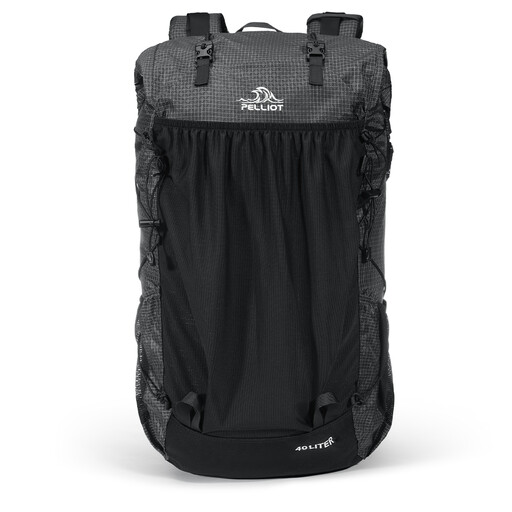
Why It Stands Out: This pack is engineered specifically for the demands of multi-day hiking. Its technical features directly address the core needs of a serious trekker. The built-in alloy support frame works in tandem with the Dynamic Walking Harness Technology, which allows the shoulder straps to adjust to your natural movement, reducing fatigue. The 3D Breathable Cushioning System provides excellent ventilation and padding where it's needed most.
Pros:
Who is it for? The serious hiker or camper planning a 2-3 day trip who needs a technical, high-performance unisex camping backpack that prioritises comfort and load-bearing capacity.
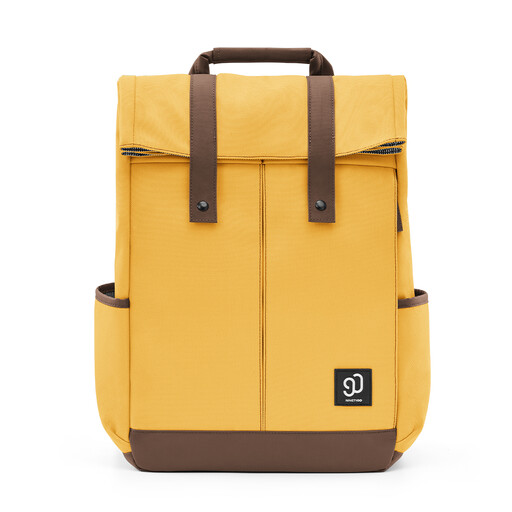
Why It Stands Out: While not a technical trekking pack, this backpack offers exceptional durability and organisation for less demanding adventures. Constructed from 900D tear-resistant fabric with a Level 4 water-repellent finish, it’s a robust choice for travel days, urban exploration or very short, fair-weather hikes from a base camp.
Pros:
Who is it for? The traveller or day-tripper who needs a sturdy, well-organised bag for commuting, city breaks or as a reliable carry-on for flights to their trekking destination.
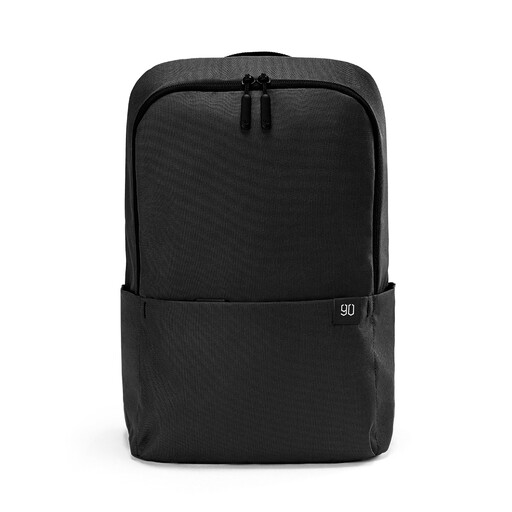
Why It Stands Out: Its primary feature is its incredibly low weight—just 194g. This makes it an excellent 'packable' daypack. You can stow it in your main trekking backpack and use it for short summit pushes or explorations from your campsite, carrying only water, snacks and a waterproof layer.
Pros:
Who is it for? The trekker who wants a secondary, ultralight pack for short excursions from a base camp or for anyone needing a minimalist bag for rest days and light activities.
Our recommendations cover specific needs, but the world of backpacks is vast. If you're searching for different capacities, features or styles to perfectly match your next adventure, we invite you to explore our complete collection of backpacks.
While the terms are often used interchangeably, a trekking backpack typically implies a larger capacity (40L and above) and a more robust support system, such as an internal frame and a substantial hip belt. They are designed for multi-day trips where you carry camping gear and more supplies. A hiking backpack is often smaller (20-35L) and intended for single-day outings.
A 40L pack is generally suitable for 2-3 day trips in temperate conditions. Your ideal capacity depends on how compact your gear is (e.g., down vs. synthetic sleeping bag), the season and your personal packing style. For a weekend trip in summer, 40L is often perfect. For winter trekking or longer trips, you may need to consider a 50-65L pack.
Given the UK's unpredictable weather, having a pack with good water resistance is highly advisable. Most quality packs are made from fabric treated with a Durable Water Repellent (DWR) coating, which will shed light rain. For sustained downpours, even a designated waterproof trekking rucksack can have vulnerabilities at the seams and zips. Therefore, it is always recommended to use a separate rain cover and to pack critical items (like electronics and a sleeping bag) in dry bags inside your pack for complete protection.