
24/7 Customer Support

Free returns

Same-day & Next-day Delivery

Quality Guaranteed

Unlock Your Welcome Offers: FREE Delivery | Up to 80% OFF | Free 30-day JoyPlus trial
Download the APP
As a Joybuy Product Recommendation Officer, my role is to help you navigate the crowded shelves of tropical and exotic drinks. The allure of a sun-drenched paradise in a bottle is strong, but not all beverages deliver on their promise. Many shoppers find themselves disappointed by drinks that are either overly sweet, artificially flavoured or simply not what they expected. This guide will help you identify the common pitfalls and focus on the key factors that ensure you're getting a genuinely refreshing and flavourful experience.
Before you add that colourful bottle to your basket, be aware of these frequent marketing traps that can lead to a disappointing purchase.
To make a confident choice, focus on these three non-negotiable parameters on the product label.
This is the most reliable indicator of flavour quality. Look for the percentage of fruit puree or juice concentrate in the ingredients list.
Understanding the source of sweetness is key to matching a drink to your taste and dietary preferences.
The experience of many Asian soft drinks is defined by more than just flavour.
Here are a few recommendations from our catalogue, matched to different needs and preferences.
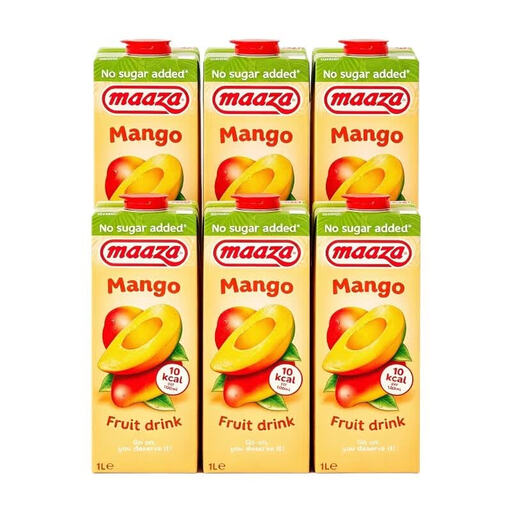
Why This Fits Their Persona: This drink is ideal for those who love the rich taste of mango but are actively managing their sugar and calorie intake. It's a great daily refreshment that doesn't compromise on flavour.
It directly counters the hidden sugar trap by being transparent about its use of sweeteners (Sucralose, Acesulfame K) and its low-calorie count (10 kcal per 100ml). It also avoids the "fruit-flavoured water" issue with a solid 17% mango puree content.
Delivers a full mango flavour without the sugar load. It is also vegan-friendly and gluten-free, catering to common dietary requirements.
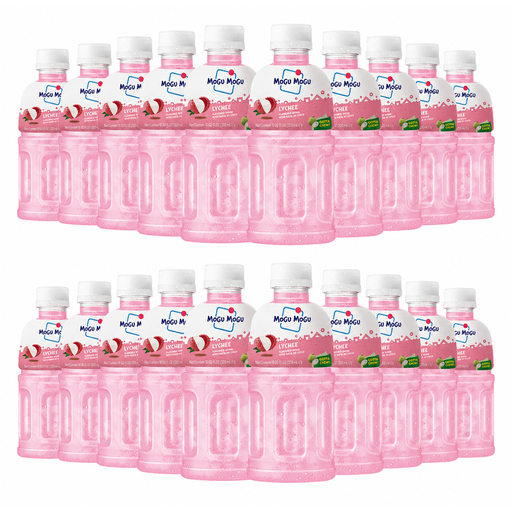
Why This Fits Their Persona: Perfect for households looking for fun and convenient kids fruit drinks. The chewable nata de coco makes it a unique treat, and the large Mogu Mogu multipack is ideal for stocking the pantry for lunchboxes and after-school snacks.
Its primary appeal isn't just flavour but texture. With 25% nata de coco, it offers a substantial, snack-like experience that sets it apart from simple sugary drinks. The label is also clear about the presence of artificial colours, allowing parents to make an informed choice.
The unique "drink you can chew" texture is highly appealing to all ages. Buying in a large 24-pack format offers convenience and better value for family consumption.
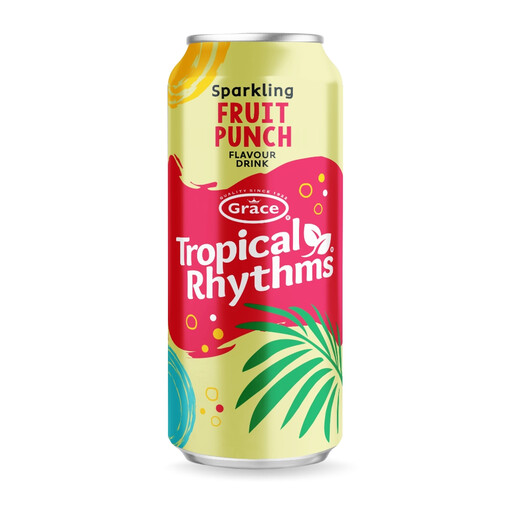
Why This Fits Their Persona: This is for someone seeking an authentic taste of the islands. It's a classic Caribbean fruit punch that pairs perfectly with spicy food or serves as a vibrant, flavourful refreshment on its own, delivering a more complex profile than single-fruit drinks.
It sidesteps the "artificial flavour" trap by using a blend of mixed fruit juice concentrates, including pineapple, orange, mango and berry. This creates a layered, authentic taste that mimics a traditional homemade punch.
The combination of multiple fruit juices provides a complex, multi-dimensional flavour. The carbonation adds a refreshing fizz, making it a sophisticated sparkling tropical drink.
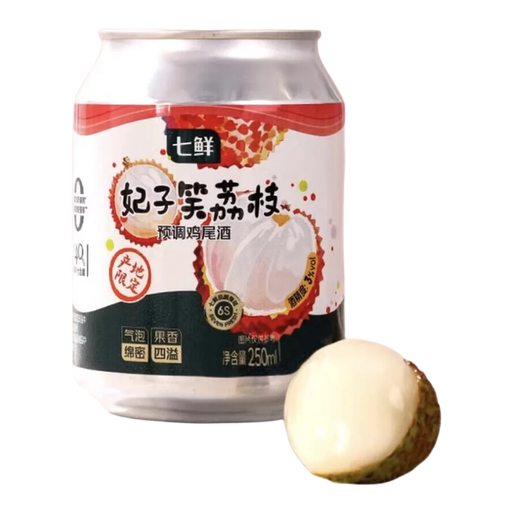
Why This Fits Their Persona: This is for the host who wants to offer something unique and effortless at a casual gathering. As one of the more sophisticated ready to drink cocktails, it provides a light, alcoholic refreshment with an elegant fruit profile, perfect for serving chilled on a warm evening.
It is transparent about its nature as a cocktail (3% ABV) and its contents, specifying the inclusion of vodka and litchi pulp (≥5 g/L). This avoids any confusion with non-alcoholic fruit juices and assures the buyer of its authentic fruit components.
Offers the convenience of a pre-mixed cocktail with a refined, natural lychee flavour. The light carbonation and balanced sweetness make it a refreshing and easy-to-drink option.
We have compiled a complete, real-time list of products that fully satisfy these strict selection criteria and UK safety regulations.
1. What is 'nata de coco' found in many Asian soft drinks? Nata de coco is a chewy, jelly-like food substance produced by the fermentation of coconut water. It has a mild taste and a satisfyingly bouncy texture. In drinks like Mogu Mogu, it adds a fun, snack-like element, turning the beverage into a "drink you can chew". It contains dietary fibre and is a popular ingredient across Southeast Asia.
2. Are 'no added sugar' tropical drinks a healthier choice? They can be a good option for reducing overall sugar and calorie intake. However, "healthier" is subjective. These drinks use artificial sweeteners to achieve their taste, which some people prefer to avoid. A drink with a high percentage of natural fruit juice will contain naturally occurring sugars and more nutrients from the fruit itself, but also more calories. The right choice depends on your personal dietary goals.
3. How can I use tropical fruit drinks in recipes? Many tropical drinks are incredibly versatile. A quality mango juice can be blended with yoghurt and ice for a quick lassi or smoothie. A Caribbean fruit punch can be used as a base for a larger party punch bowl, mixed with sparkling water and fresh fruit slices. A lychee drink can be frozen into ice lolly moulds for a simple summer treat or used as a mixer in cocktails.