
24/7 Customer Support

Free returns

Same-day & Next-day Delivery

Quality Guaranteed

Unlock Your Welcome Offers: FREE Delivery | Up to 80% OFF | Free 30-day JoyPlus trial
Download the APP
As the Joybuy Product Recommendation Officer, my role is to help you navigate the crowded shelves and find products that deliver on their promise. When it comes to tropical drinks, the allure of sun-drenched flavours is strong, but not all cartons and bottles are created equal. Many UK shoppers find themselves disappointed by drinks that are more sugar water than exotic fruit escape. Before you add that colourful bottle to your basket, let's look at the common pitfalls to avoid.
The most frequent issues we see are:
By paying attention to a few key details, you can ensure your purchase is a genuinely refreshing experience.
To make a smart choice, focus on these three core parameters. They are the most reliable indicators of quality and will help you find the perfect exotic fruit juices for your taste and needs.
This is the single most important figure on the packaging. It tells you how much of the drink is derived from actual fruit.
The ingredient list is presented in order of quantity. If sugar or water is the first ingredient, it's a clear sign that fruit is not the main component. Look for drinks where fruit puree or juice from concentrate appears high on the list. Also, keep an eye out for interesting textural ingredients like the chewy pieces in a nata de coco drink, which can add a fun, unique element.
The world of tropical drinks extends beyond still juices.
Instead of a generic list, we've matched some standout options to the people they suit most.
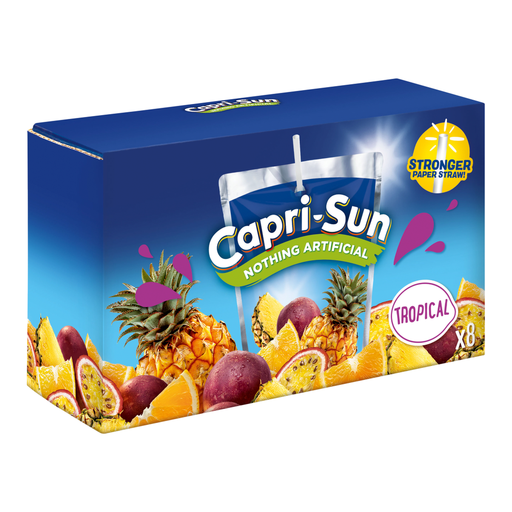
Why This Fits Their Persona: This is a go-to for UK families. The multipack of tough, convenient kids fruit pouches is perfect for school lunchboxes, picnics and after-school snacks. It's a brand parents recognise and children enjoy.
It tackles the sugar pitfall by using a blend of real sugar and plant-based stevia, resulting in a lower sugar content (4.4g per 100ml) than many competitors. It also contains no artificial colours or preservatives.
The portion-controlled 200ml pouches prevent over-consumption, and the multipack format offers good value for family budgets.
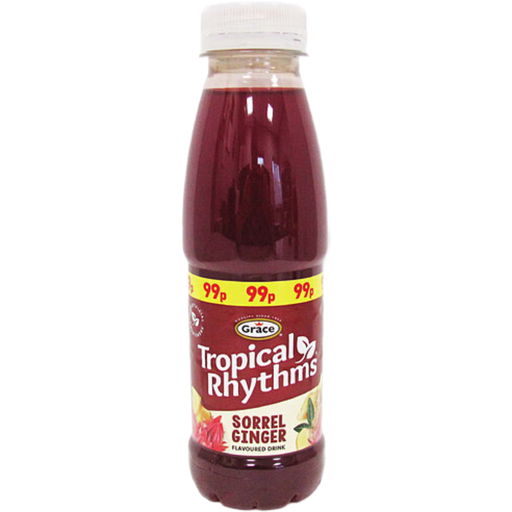
Why This Fits Their Persona: For anyone seeking authentic Caribbean soft drinks, this is a direct taste of tradition. The combination of sorrel (hibiscus) and ginger is a classic flavour profile, deeply rooted in Caribbean culture, especially around festive periods.
It avoids the generic "tropical" flavour trap by using specific, traditional ingredients: Sorrel Extract (2%) and Ginger Extract (0.5%). The flavour is distinctive and not easily replicated by artificial means.
Delivers a genuine, culturally significant taste that is both tart and spicy. The colour comes from natural Anthocyanins, not artificial additives.
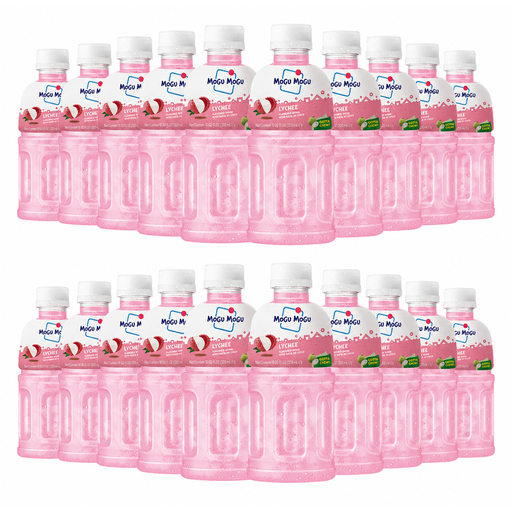
Why This Fits Their Persona: For the adventurous foodie looking for new experiences, this Thai drink is a perfect fit. The "drink you can chew" concept, combining a sweet lychee flavour with chewy coconut jelly (nata de coco), offers a unique textural sensation that's both fun and refreshing.
Its primary selling point is the texture, not a misleading health claim. It's transparent about what it is: a fun, flavoured drink with a high content of Nata de Coco (25%), making the chewy pieces a core component, not an afterthought.
Provides a unique, multi-sensory experience that combines a drink and a snack. The lychee flavour is a popular choice in Asian drinks online.
We have compiled a complete, real-time list of products that fully satisfy these strict selection criteria and UK safety regulations.
Absolutely. Many tropical drinks, especially those with a strong, singular flavour like mango juice drink or pineapple ginger, make an excellent base for cocktails and mocktails. A high-quality fruit punch can also simplify the process of making a party-sized batch. Just be mindful of the drink's own sugar content when adding other sweet ingredients.
Once opened, most 1-litre cartons of tropical juice should be kept refrigerated and consumed within 3 to 5 days. The exact duration will be stated on the packaging. The flavour and quality will start to degrade after this period, so it's always advisable to follow the manufacturer's guidance.
Nata de coco is a chewy, translucent food product produced by the fermentation of coconut water. It's cut into small cubes and added to beverages to provide a pleasant, jelly-like texture. It's a popular ingredient in desserts and drinks across Southeast Asia, particularly in the Philippines and Thailand.