
24/7 Customer Support

Free returns

Same-day & Next-day Delivery

Quality Guaranteed

Unlock Your Welcome Offers: FREE Delivery | Up to 80% OFF | Free 30-day JoyPlus trial
Download the APP
Tropical fruit can make an everyday snack, smoothie or dessert more varied, but the format you choose has a major effect on flavour, storage and value. Canned mango, frozen tropical fruit and dried red dates are not interchangeable, even when they feature the same fruit on the front of the pack.
The main shopping traps are usually hidden in the fine print: a large pack may contain relatively little drained fruit, “light” syrup can still contain added sugar, and frozen products require enough freezer space to remain practical. Use the guide below to compare the details that matter before buying.
A 565g can or jar includes fruit and liquid. The drained weight tells you how much fruit you are actually buying. This is particularly important when comparing fruit in syrup with fruit in juice.
For example, a 425g can of Del Monte Sliced Mango in Light Syrup has a stated drained weight of 230g. A larger-looking pack is not necessarily better value if much of its weight is syrup.
Fruit in juice may contain no added sugar, but it still contains naturally occurring sugars from the fruit and juice. Canned tropical fruit in syrup normally includes added sugar in the ingredients list. Check the per 100g carbohydrate and sugars figures, rather than relying only on front-of-pack wording.
If you want a less syrup-led option, compare products such as mandarins or pineapple in juice with syrup-packed alternatives. Drainage can also reduce the sweetness of a serving, although it does not remove all sugar from the fruit.
Ambient cans and jars are convenient, but the contents usually need refrigeration after opening and should be transferred to a suitable sealed container. Recommended consumption periods vary: some products specify two days, while others allow up to seven days.
Frozen tropical fruit has a different limitation. It needs a freezer at -18°C or below, and products should generally not be refrozen once thawed. Buying a large frozen pack is only practical if you can use the contents promptly.
Choose between:
Look at the full ingredients list. Some products contain preservatives, acidity regulators or firming agents, while others, such as certain frozen durian pulp and dried red dates, list only fruit.
Compare drained weight when buying canned mango, canned pineapple, canned lychee, canned rambutan or canned longan. A product with a smaller total pack may provide a similar amount of usable fruit if it contains less liquid.
For family desserts and baking, an 830g can of pineapple pieces may be more practical than a small snack-sized pot. For occasional use, 300g–400g frozen pulp packs can help reduce opened leftovers.
Always check the product label for allergens, origin, best-before information and storage instructions. Several products have no declared allergens, but some may carry a “may contain” statement or be made in facilities handling milk, soy, nuts or other allergens.
Also consider texture. Whole longans, lychees and rambutans work well as toppings, while mango chunks and durian pulp are easier to blend. Caribbean ackee is intended for cooking and should not be treated like a ready-to-eat dessert fruit.
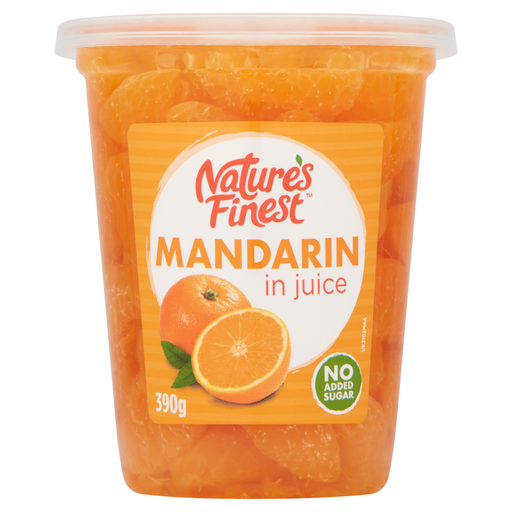
Why This Fits Their Persona: A manageable pantry fruit for UK households wanting ready-to-eat segments without preparing fresh fruit.
The ingredients list uses mandarin segments and pear juice from concentrate, with no added sugar listed.
390g pot; ready to eat; suitable for vegan shoppers according to the supplied product information.
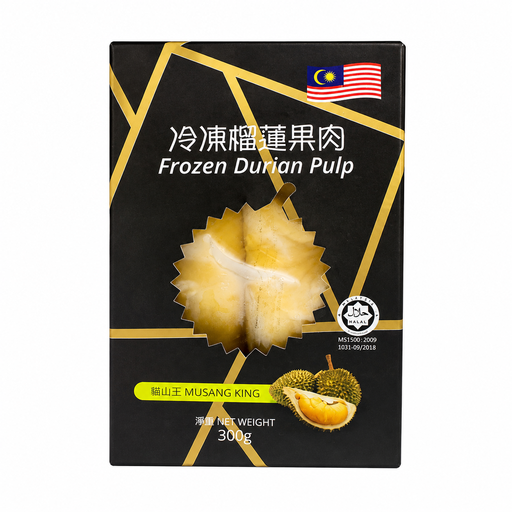
Why This Fits Their Persona: Suits durian lovers seeking a named Malaysian variety in a compact frozen pack for home desserts.
The ingredients specify 100% Musang King durian pulp with seeds, rather than a mixed fruit or flavoured product.
300g vacuum-packed portion; requires freezer storage; no added preservatives, sugars or artificial flavours listed.
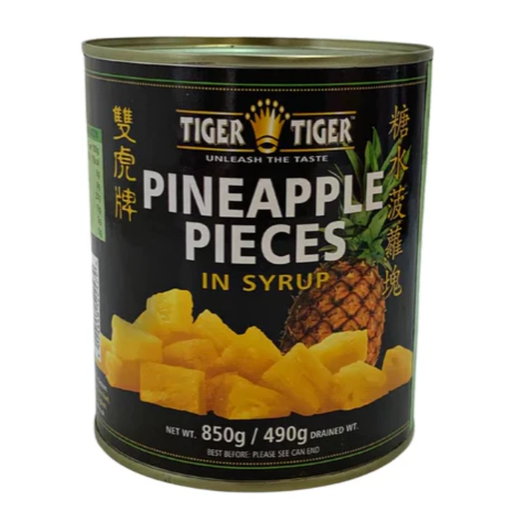
Why This Fits Their Persona: A useful format for frequent bakers, smoothie makers and households preparing tropical fruit desserts.
The 830g format makes the pack size clear, while the product details identify the fruit as pieces in syrup.
Ready to eat; suitable for desserts, smoothies, salads and savoury cooking; store unopened at ambient temperature.
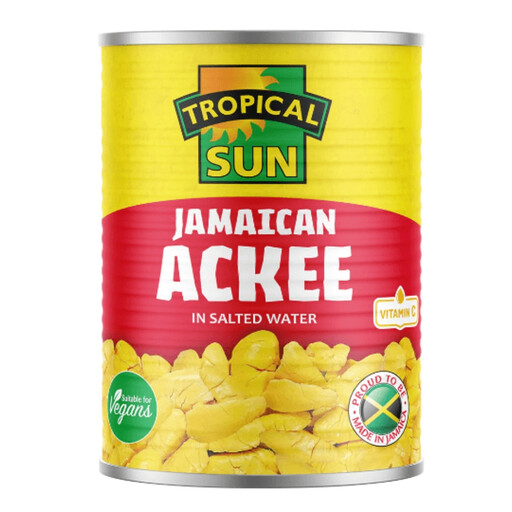
Why This Fits Their Persona: Designed for Caribbean cooking, particularly households preparing ackee and saltfish or other savoury meals.
It is clearly presented as canned ackee for culinary use, rather than marketed as a snack or dessert fruit.
540g can; pre-cooked according to the product information; refrigerate leftovers and consume within two days.
We have compiled a complete, real-time list of products that fully satisfy these strict selection criteria and UK safety regulations.
Yes. Canned mango, pineapple, lychee and longan can be blended directly, although draining some syrup may produce a less sweet smoothie. Frozen mango chunks and frozen durian pulp are also convenient, but thaw them according to the pack instructions.
Follow the individual label. Many products recommend transferring the fruit and liquid to a sealed, non-metallic container, refrigerating promptly and using within two to five days. Do not use a can or jar if it is swollen, leaking, badly damaged or has an unusual smell.
Fruit in syrup is packed with water and added sugar, while fruit in juice uses fruit juice as the liquid and may have no added sugar. Compare the ingredients, sugars per 100g and drained weight to find the format that suits your recipe and budget.