
24/7 Customer Support

Free returns

Same-day & Next-day Delivery

Quality Guaranteed

Unlock Your Welcome Offers: FREE Delivery | Up to 80% OFF | Free 30-day JoyPlus trial
Download the APP
Tropical fruit drinks can make everyday meals, family gatherings and catering occasions more interesting, but attractive packaging does not always tell the full story. A carton labelled “mango”, “nectar” or “natural” may contain very different amounts of fruit, sugar and added sweeteners.
Before buying tropical fruit drinks, check three common traps:
The selection below covers Asian fruit drinks, Caribbean fruit drinks, Korean fruit drinks, Jamaican soft drinks and other imported fruit drinks available to UK shoppers.
Look for the juice, purée or pulp percentage in the ingredients list. This helps distinguish between fruit drinks, nectars and juice-based beverages.
For example, Maaza Mango No Added Sugar Drink contains 17% mango purée, while Tropical Vibes Guanabana Soursop contains 12% guanabana purée. FOCO Pomegranate Nectar lists 30% pomegranate juice, and FOCO Roasted Coconut Juice with Pulp lists 80% roasted coconut juice alongside coconut pulp.
A higher fruit percentage may contribute to a thicker texture or more pronounced fruit character, but it does not automatically mean lower sugar or fewer additives. Always review the complete label.
Compare nutrition information per 100ml, rather than relying on front-of-pack wording. The products in this selection range from approximately 10 kcal per 100ml for Maaza Mango No Added Sugar Drink to around 60 kcal per 100ml for Tropical Vibes Fruit Punch.
Some products contain added sugar, while others combine fruit sugars with sweeteners. Maaza Mango, for instance, lists sucralose and acesulfame K. BIGGA Pineapple contains sugar and sucralose, as well as permitted colours E102 and E110. E102 carries a UK-required warning regarding possible effects on activity and attention in children.
If you are buying for children, comparing sugar per 100ml and checking the full ingredient list is more useful than relying on terms such as “refreshing” or “natural”.
Choose the format according to how quickly the drink will be consumed:
After opening, many 1L cartons need refrigeration and should be consumed within approximately three days. Some bottled drinks have similar instructions, while unopened products may be stored in a cool, dry place. Check the packaging for the current best-before date and storage guidance.
Allergen information also varies. FOCO Roasted Coconut Juice with Pulp contains coconut and may contain milk, while Cocopalm Peach lists coconut and possible cross-contact information. Product labels can change, so check the pack before serving anyone with an allergy or intolerance.
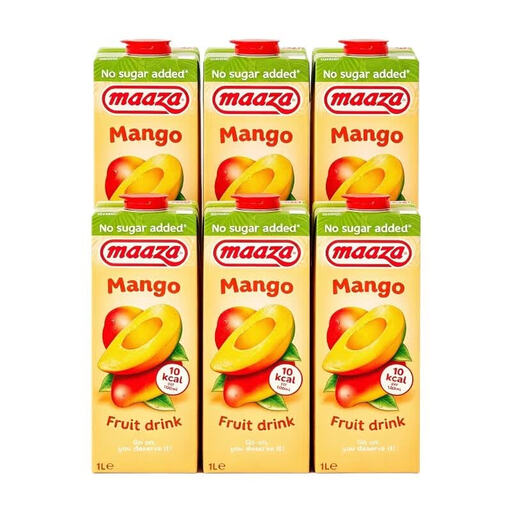
Why This Fits Their Persona: A six-carton format gives families or regular mango drink buyers a convenient household supply without buying individual bottles.
The listing states 17% mango purée and provides per-100ml nutrition information, so shoppers can assess the drink beyond its mango-focused packaging.
No added sugar; 10 kcal per 100ml; vegan-friendly and gluten-free according to the supplied product information.
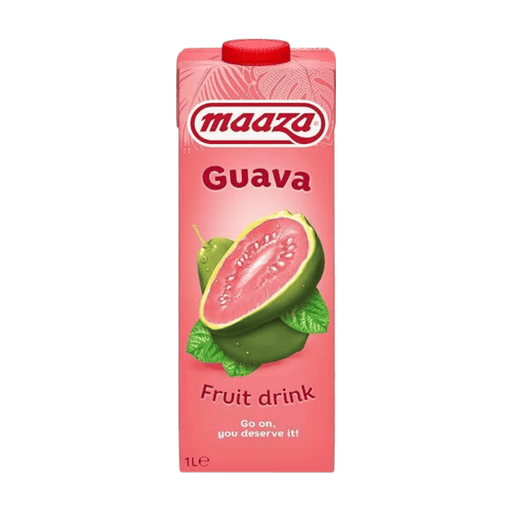
Why This Fits Their Persona: Suits shoppers seeking a creamy guava profile for chilled serving, sharing or use in mixed drinks.
The product information identifies 17% guava purée and 1% lemon juice from concentrate, giving a clearer view of its fruit composition.
1L carton format; 45 kcal per 100ml; listed without common allergens in the supplied details.
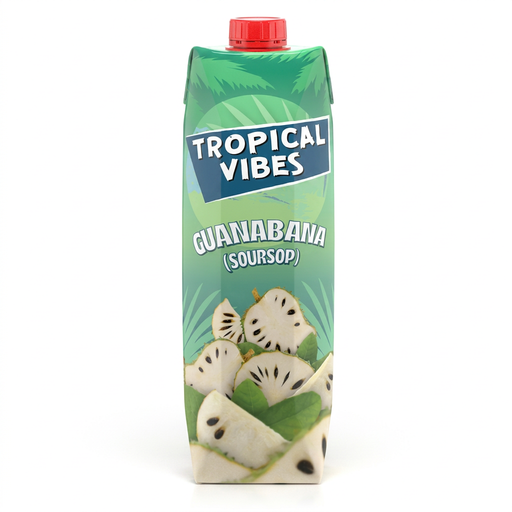
Why This Fits Their Persona: A useful choice for Caribbean-style menus, family occasions and buyers who want a less familiar tropical flavour in a shareable carton.
The listing specifies 12% guanabana purée, 51 kcal per 100ml and a three-day refrigerated-use instruction after opening.
FSC-certified Tetra Pak packaging is stated in the listing; no allergens are listed in the supplied ingredients.
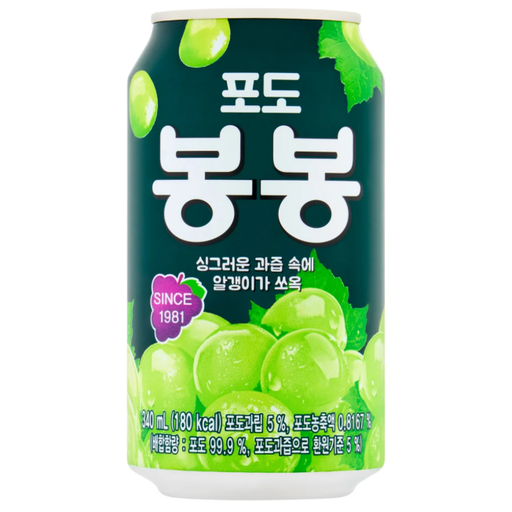
Why This Fits Their Persona: The compact Korean drink format works well for trying a new flavour, serving chilled or adding to a world-food drinks selection.
The 340ml serving is clearly defined, and the listing identifies 5% grape pulp rather than presenting the drink simply as grape-flavoured.
Real grape pulp; non-carbonated format; made in South Korea according to the product information.
Other options include pomegranate nectar, roasted coconut juice with pulp, aloe mango drink, Japanese white-peach nectar, Jamaican soft drinks and Pakistani mango juice drink. For larger orders, fruit drink multipacks such as six 1L cartons or 12 x 350ml cans may suit cafés, restaurants and event catering.
We have compiled a complete, real-time list of products that fully satisfy these strict selection criteria and UK safety regulations.
They can form part of a varied diet, but many contain sugar or sweeteners. Compare the per-100ml nutrition panel, consider serving size and avoid treating fruit drinks as a replacement for water.
Storage varies by product. Several 1L cartons in this selection advise refrigeration and consumption within three days. Smaller bottled or canned drinks may also need refrigerating after opening. Follow the label on the specific product rather than relying on a general rule.
A multipack can be practical when drinks will be consumed regularly or served to several people. A single carton may be more suitable when you are trying a new flavour such as soursop, guava or mangosteen. Compare the total volume, storage space and likely consumption before ordering.