
24/7 Customer Support

Free returns

Same-day & Next-day Delivery

Quality Guaranteed

Unlock Your Welcome Offers: FREE Delivery | Up to 80% OFF | Free 30-day JoyPlus trial
Download the APP
The allure of a refreshing tropical fruit juice is undeniable, offering a taste of sunshine in a glass. Whether you are searching for a rich mango juice drink, a fragrant lychee drink or a tangy passion fruit juice, the supermarket aisle and online stores present a dizzying array of options. However, not all exotic fruit drinks are created equal. Many UK shoppers find themselves disappointed, having paid for what amounts to little more than sugar water with a hint of flavour.
Before you add that colourful carton to your basket, it is crucial to understand a few common pitfalls. Navigating the world of world food drinks can be simple once you know what to look for, ensuring you get the quality and taste you expect without falling for marketing hype.
The "Juice Drink" vs. "100% Juice" Confusion: Many products are labelled as "juice drinks," which can be misleading. Legally, this term can be used for beverages containing as little as 5-10% actual fruit juice. The remainder is often water, sugar and flavourings. If you are seeking the full flavour and character of a fruit, a "juice drink" may not meet your expectations.
The Hidden Sugar Content: A common point of confusion is the sugar content. While some drinks proudly state "no added sugar," they may still be high in natural sugars from concentrated fruit juices. Others substitute sugar with artificial sweeteners like aspartame or sucralose, which some consumers prefer to avoid. Always checking the "of which sugars" value in the nutritional information provides a clearer picture.
To make a confident choice, focus on these two non-negotiable parameters. They will help you decode the label and find a product that suits your needs, whether it is for daily refreshment, as a non-alcoholic party drink or for your children's lunchboxes.
The most important detail on any carton is the percentage of fruit juice. This tells you exactly what you are paying for.
The ingredients are listed by weight, so the first few items make up the bulk of the product. For a high-quality mango juice drink, you want to see "mango purée" or "mango juice" listed near the top, not "water" and "sugar" followed by a tiny percentage of fruit. Also, look for "natural flavourings" instead of just "flavourings," which can be artificial. This is especially relevant when choosing specific exotic fruit drinks UK shoppers are looking for, like a genuine lychee drink or passion fruit juice.
To help you choose, we have matched some popular options to different needs and preferences.
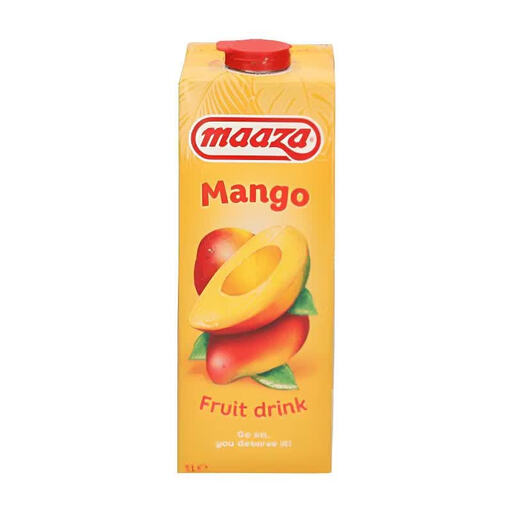
Why This Fits Their Persona: This person prioritises a rich, genuine fruit taste over low cost. They are looking for an authentic mango experience, and Maaza's use of Alphonso mango purée delivers a distinct, high-quality flavour profile that stands out from generic "mango-flavoured" drinks.
It sidesteps the "low fruit content" trap by containing a substantial 18% mango purée, making it a nectar-style drink with a prominent fruit base rather than just flavoured water.
Features a rich, smooth texture from the high purée content. The use of Alphonso mangoes provides a recognisably deep and sweet flavour. It is also versatile, working well on its own or as a cocktail mixer.
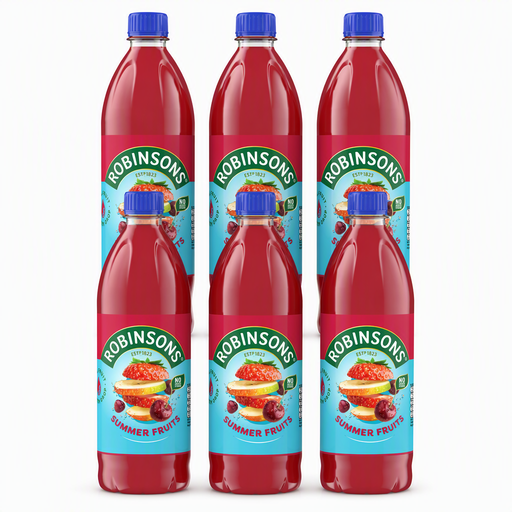
Why This Fits Their Persona: This shopper needs a cost-effective, long-lasting and family-friendly option. A large-format squash is ideal for keeping everyone hydrated without constantly buying new cartons. The "no added sugar" aspect is a key consideration for parents.
It avoids the "hidden sugar" trap of ready-to-drink juices by being a dilutable cordial. This gives the user full control over the sweetness and concentration of the final drink, making it a more transparent choice.
Extremely economical, as one juice carton 1L makes many servings. It is made with real fruit juice from concentrate and contains no added sugar, relying on sweeteners instead.
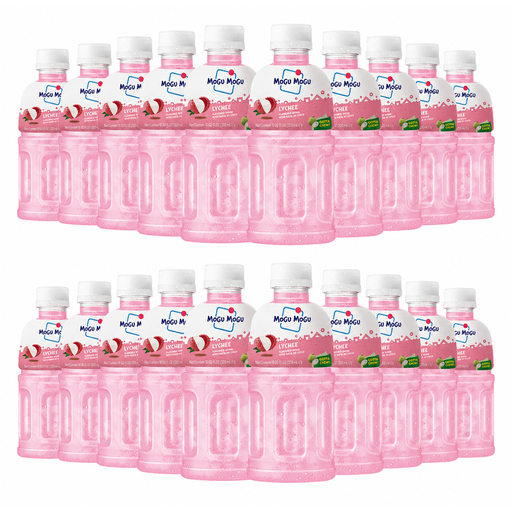
Why This Fits Their Persona: This consumer is looking for a fun, unique experience. A standard juice is not enough; they want texture and novelty. Mogu Mogu's signature nata de coco pieces make it a chewable fruit drink, offering a playful and satisfying textural element that other drinks lack.
While it is a "juice drink" and not 100% juice, its value proposition is not based on fruit purity but on the unique textural experience. It avoids being a "boring" drink by including a substantial 25% Nata de Coco.
The combination of sweet lychee flavour and chewy coconut jelly is its main draw. It serves as both a drink and a light, fun snack, making it a popular choice for a midday treat or a unique party beverage.
We have compiled a complete, real-time list of products that fully satisfy these strict selection criteria and UK safety regulations.
1. What is the difference between a 'fruit juice' and a 'fruit drink' in the UK? In the UK, "fruit juice" must be 100% fruit juice. A "fruit drink," however, is a broader term for a beverage that contains juice but also includes other ingredients like water, sugar, sweeteners and flavourings. The juice content in a fruit drink can be as low as 5%, so it is important to check the label for the exact percentage.
2. How can I use tropical fruit juice as a non-alcoholic party drink? Tropical fruit juices are excellent for creating vibrant non-alcoholic party drinks. For a simple option, serve a quality mango or passion fruit juice chilled in a large pitcher with slices of fresh lime and mint. For something more creative, use a tropical juice blend as a base for a mocktail. Combine it with sparkling water, a dash of lemon juice and a garnish of fresh fruit for a sophisticated and refreshing beverage.
3. Are chewable fruit drinks like Mogu Mogu suitable for children? Chewable drinks can be a fun treat for children, but it is wise to check the product's specific information. Some Mogu Mogu flavours, for instance, contain artificial colours which, according to the label, "may have an adverse effect on activity and attention in children." The nata de coco pieces also present a textural element that may not be suitable for very young children. It is always best to enjoy these drinks as part of a balanced diet.