
24/7 Customer Support

Free returns

Same-day & Next-day Delivery

Quality Guaranteed

Unlock Your Welcome Offers: FREE Delivery | Up to 80% OFF | Free 30-day JoyPlus trial
Download the APP
A glass of tropical fruit juice can be a delightful escape, bringing the flavours of sun-drenched destinations right to your kitchen. Whether you're craving the rich sweetness of mango juice, the unique taste of Caribbean drinks or a vibrant fruit punch, the options available online are vast. However, not all exotic fruit drinks are created equal. Many fall short of expectations, leaving you with a sugary, artificial-tasting beverage instead of an authentic tropical experience.
As the Joybuy Product Recommendation Officer, my role is to help you navigate the market. We'll look at the common pitfalls to avoid and the key factors to check, ensuring you choose a drink that delivers genuine flavour and refreshment.
Navigating the world of world food drinks online can be tricky. Here are three common issues that can lead to a disappointing purchase:
To ensure you get the taste you're paying for, focus on these two core parameters before adding anything to your basket.
This is the most reliable indicator of quality and flavour intensity. A higher percentage of fruit purée or juice (especially 'not from concentrate') means a richer, more authentic taste.
mango puree high up on its ingredients list.sugarcane juice. A content of 30% or more is a good sign of an authentic product.The ingredient list tells the true story of a drink. Look for simple, recognisable ingredients. Beyond the ingredients, consider the type of drink that suits your needs.
juice for cocktails.Based on these criteria, here are a few recommendations matched to different preferences.
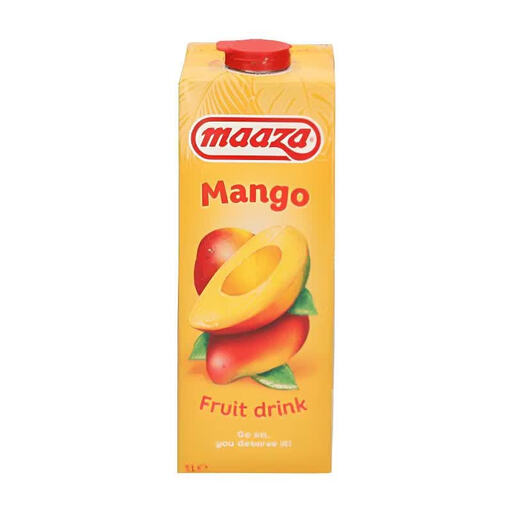
Why This Fits Their Persona: For many in the UK, Maaza is the definitive taste of mango juice, reminiscent of home or holidays. It uses Alphonso mangoes, delivering a specific, rich flavour that is hard to replicate.
This is not a vague "tropical blend." It proudly states its 18% mango puree content, ensuring a genuine mango-first flavour rather than a generic fruit drink experience.
Authentic Alphonso mango taste. Smooth, rich texture that is great on its own or for making lassis.
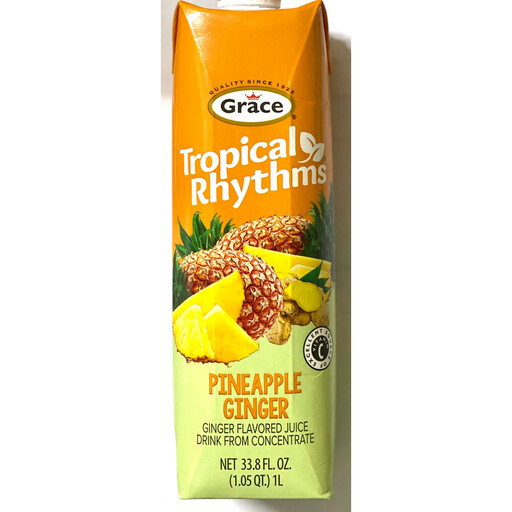
Why This Fits Their Persona: This drink offers a unique flavour profile that goes beyond simple fruitiness. The warmth of ginger adds complexity, making it an excellent and versatile mixer for creating exciting Caribbean-inspired cocktails and mocktails.
Instead of relying on generic "flavourings," this drink uses 0.5% ginger extract and 5% pineapple juice from concentrate. This ensures the spicy, warm notes are genuine and balanced with the fruit's sweetness.
A balanced blend of sweet and spicy. It's a fantastic base for rum cocktails or a refreshing non-alcoholic spritz.
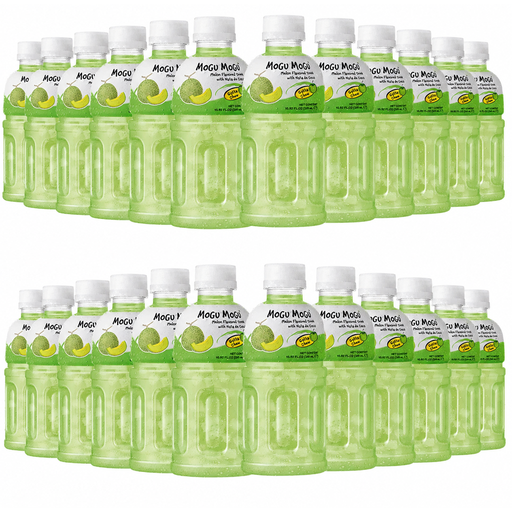
Why This Fits Their Persona: Mogu Mogu is more than a drink; it's an experience. The "drink you can chew" concept, with its fun nata de coco pieces, is a huge hit with both children and adults, making it a perfect choice for family gatherings or lunchboxes.
This drink's appeal is its unique texture. It isn't trying to be a pure fruit juice. The ingredient list is transparent, with Nata de Coco (COCONUT) listed as a primary component, so you know exactly what you're getting.
Unique, chewy texture provides a fun drinking experience. The sweet melon flavour is refreshing and appealing to a wide audience.
We have compiled a complete, real-time list of products that fully satisfy these strict selection criteria and UK safety regulations.
In the UK, the terminology is regulated. 'Fruit juice' must be 100% fruit juice. 'Fruit juice from concentrate' is also 100% juice, where water has been removed for shipping and then added back. A 'fruit drink' or 'nectar', however, can contain a much lower percentage of juice, along with added water, sugar and flavourings. Always check the label for the specific juice percentage.
Tropical fruit juices are incredibly versatile for cocktails. Mango or pineapple juice pairs beautifully with white rum for a classic Caribbean feel. A pineapple and ginger drink can be mixed with vodka or gin for a spicy twist. For a simple, elegant mocktail, top a high-quality guava or mangosteen juice with sparkling water and a squeeze of fresh lime.
Drinks containing nata de coco (coconut gel) are generally safe for older children who are accustomed to chewing their food properly. However, as with any food that requires chewing, they may pose a choking hazard for very young children. The packaging for some products, like Tropical Sun's Aloe Vera drink, may explicitly state they are not suitable for children under 3. Always supervise young children when they are trying new foods and drinks with different textures.