
24/7 Customer Support

Free returns

Same-day & Next-day Delivery

Quality Guaranteed

Unlock Your Welcome Offers: FREE Delivery | Up to 80% OFF | Free 30-day JoyPlus trial
Download the APP
Buying tropical fruit pulp online can save preparation time, but attractive packaging does not always tell you what is inside. A product labelled “fruit pulp” may contain added sugar, water, flavouring or only a small proportion of fruit. Frozen packs also need careful handling, while large catering formats can become poor value if you cannot use them before opening.
This guide explains the practical checks that help UK shoppers choose tropical fruit pulp for eating, smoothies, desserts and cooking.
A drink with pulp is ready to consume, but it is not the same as concentrated or frozen fruit pulp. For example, coconut water with pulp contains a liquid base and tender coconut pieces, whereas frozen durian pulp is a concentrated ingredient intended to be thawed before eating or adding to recipes.
Always check:
Names such as Musang King durian pulp, Black Thorn durian pulp and Alphonso mango pulp can help identify the intended variety, but the ingredient panel remains important. A product may be pure fruit, or it may contain sugar and water.
For instance, Happy Musang King Durian Fruit Pulp lists 100% pure Musang King durian pulp, while Laila Alphonso Mango Pulp contains Alphonso mango pulp, sugar, water and citric acid. Neither format is automatically right or wrong; the suitable choice depends on whether you want a naturally intense fruit ingredient or a sweeter, ready-to-use recipe base.
Frozen fruit pulp needs freezer space and a reliable cold chain after delivery. Once thawed, it should not normally be refrozen. Buying a large pack without planning portions can lead to waste, especially with strong-flavoured fruits such as durian.
Check the required temperature, thawing method and post-opening instructions before ordering.
For a minimally processed option, look for an ingredient list containing only the named fruit. Foodworth D101 Durian Pulp, for example, lists 100% durian. Happy Black Thorn Durian Pulp lists durian pulp, while the Mountain Cat Musang King option contains Musang King pulp with seeds.
For drinks and canned products, additional ingredients are more common. Grace Coconut Water With Pulp contains young coconut water and coconut pulp. FOCO Roasted Coconut Juice with Pulp includes roasted coconut juice, water, coconut pulp, sugar, citric acid and potassium metabisulphite. Read the allergen statement carefully: coconut is highlighted as an allergen on the relevant labels.
Choose the format around your intended use:
A smaller pack may cost more per 100g but can be more economical if it prevents unused ingredients being discarded.
Some products are smooth and ready to blend, while others may contain seeds or pieces. Mountain Cat Musang King Durian Frozen Pulp is described as containing seeds, so it requires more care during preparation. Jackfruit pulp is often used as pieces or a fibrous ingredient, making it suitable for desserts and sweet dishes but less convenient than a smooth purée.
For drinks with settled pulp, follow the label instruction to shake well before opening. This helps distribute the solids evenly without changing the product itself.
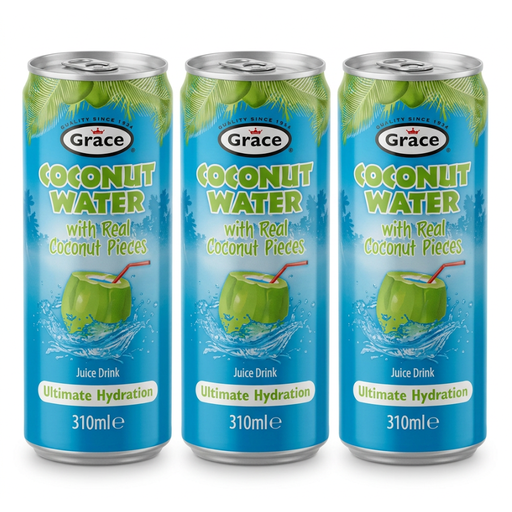
Why This Fits Their Persona: A three-pack gives first-time buyers a manageable way to try coconut water with pulp without committing to a large case or frozen ingredient.
The ingredients are clearly listed as young coconut water and coconut pulp, making it easier to distinguish from a pulp-flavoured drink.
310ml individual bottles; ready to drink; shake-before-serving instruction; 22 kcal per 100ml as listed.

Why This Fits Their Persona: Durian enthusiasts looking for a named Malaysian variety can use this frozen pack for tasting, desserts and blended recipes.
The label identifies the product as 100% pure Musang King durian pulp, rather than relying only on promotional flavour language.
400g frozen portion; no added ingredients listed; suitable for mochi, ice cream, pancakes and smoothies.
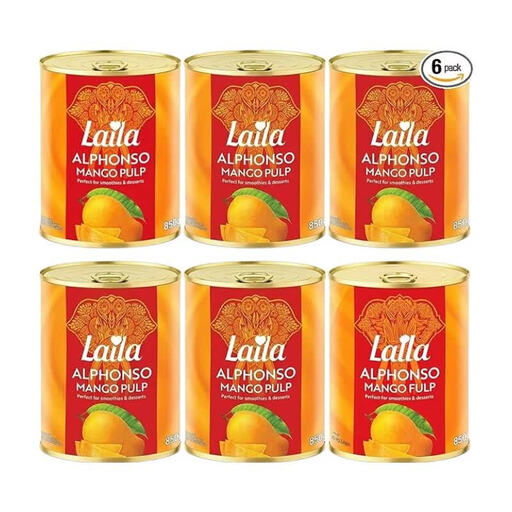
Why This Fits Their Persona: Home cooks, restaurants and food businesses can use the six-can format for lassi, desserts, ice cream toppings and regular menu preparation.
The pack quantity and ingredient composition are stated clearly, so buyers can judge whether sugar and bulk volume suit their recipes.
Six 850g cans; Alphonso mango pulp; suitable for batch preparation; store unopened in a cool, dry place.
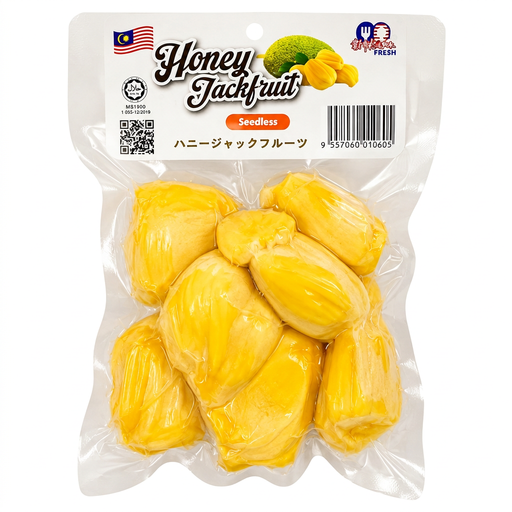
Why This Fits Their Persona: Buyers who want jackfruit pulp for desserts or snacks can avoid the preparation involved with a whole fruit.
The product is frozen honey jackfruit pulp and described as seedless, reducing the peeling, cutting and seed-removal work associated with whole jackfruit.
300g pack; keep frozen at -18°C or below; can be thawed at room temperature or warmed briefly according to the product instructions.
For other uses, compare D101 durian pulp with Black Thorn durian pulp, or consider dried longan pulp for sweet soups and tea-based recipes. The wider range also includes fruit pulp for smoothies and desserts in different formats.
We have compiled a complete, real-time list of products that fully satisfy these strict selection criteria and UK safety regulations.
Keep it frozen at the temperature stated on the packaging, commonly -18°C or below. Thaw only the amount required, preferably in the refrigerator where appropriate, and do not refreeze after thawing. Follow the individual product label if its instructions differ.
Yes. Smooth durian, mango and coconut products can be blended into smoothies, ice cream, mousse, yoghurt drinks and sauces. Jackfruit pulp is useful where a more fibrous or fruit-piece texture is wanted. Taste the mixture before adding sugar, particularly when using sweetened mango pulp.
Storage varies by product. Grace Coconut Water With Pulp advises refrigeration and consumption within two days after opening, while other drinks may specify up to three days. Reseal the container, refrigerate promptly and follow the stated label guidance rather than relying on appearance alone.