
24/7 Customer Support

Free returns

Same-day & Next-day Delivery

Quality Guaranteed

Unlock Your Welcome Offers: FREE Delivery | Up to 80% OFF | Free 30-day JoyPlus trial
Download the APP
Korean tteokbokki is a popular Korean street food made with chewy rice cakes and a seasoned sauce. In the UK, you can buy it as an instant cup, ready-to-cook pouch, frozen Korean rice cakes or plain rice cakes for building your own dish.
However, the most eye-catching packaging does not always tell you what matters at mealtimes. A large-looking pack may contain only one portion, while a “spicy” sauce may be too mild—or unexpectedly intense—for your taste. Before buying topokki, check the format, storage instructions, allergens and preparation method rather than relying on flavour imagery alone.
Plain Korean rice cakes, such as frozen stick-shaped tteok, are versatile but require a separate sauce and thorough cooking. Instant tteokbokki cups and pouches include seasoning, but still need water and heating.
Check the label for phrases such as “cooking required”, “microwave preparation” or “ready-to-cook”. Rice cakes should not be eaten raw or undercooked.
Traditional Korean spicy rice cakes often use chilli-based seasoning, but flavour profiles vary. Some products combine chilli with sugar for a sweet and spicy taste; others use garlic, black bean sauce, cheese or Korean BBQ seasoning.
If you prefer gentler heat, a cheese tteokbokki or jjajang version may be more suitable. For stronger chilli flavour, look for products that specifically describe red chilli, gochujang or hot and spicy seasoning.
A 120g cup is generally suited to one quick snack or light meal, while a 240g pouch or 260g pack may be more practical for sharing. Frozen rice cakes need freezer space and careful handling, whereas ambient pouches are easier to store in a cupboard.
Once opened or prepared, follow the packaging instructions. Do not refreeze defrosted rice cakes, and consume prepared products promptly.
The chewy texture comes from the rice cake itself. Ingredients may include rice flour, salt, acidity regulators and, in some products, wheat starch or other binders. A higher stated rice proportion can help you understand what forms the main part of the cake, but it does not alone determine your preferred texture.
For a more flexible pantry ingredient, choose plain frozen rice cakes. Products such as chopped or king-size sticks can be boiled, stir-fried or added to soup. Instant cups are more convenient, but offer less control over texture and portion size.
For microwave tteokbokki, check the required wattage and timing. Instructions commonly specify around two minutes at 1,000W or three minutes at 700W, with water added to an internal line. Microwave power varies, so the food should be piping hot before serving.
Pouch-style products usually require a pan, approximately 100ml of water and several minutes of simmering. This gives you more control over sauce thickness and makes it easier to add spring onions, vegetables or boiled eggs.
Always read the current packaging, particularly if you have allergies. Common allergens in Korean tteokbokki include wheat, soy, milk, sesame and fish. Some products may also carry “may contain” warnings for other ingredients.
For Muslim shoppers, look for a clearly stated Halal certification rather than assuming a product is suitable from its ingredients alone. Vegetarian and vegan shoppers should also check the full label and sauce ingredients. For example, a product described as suitable for vegan and vegetarian diets may still contain soy and wheat, so it may not suit people avoiding those allergens.
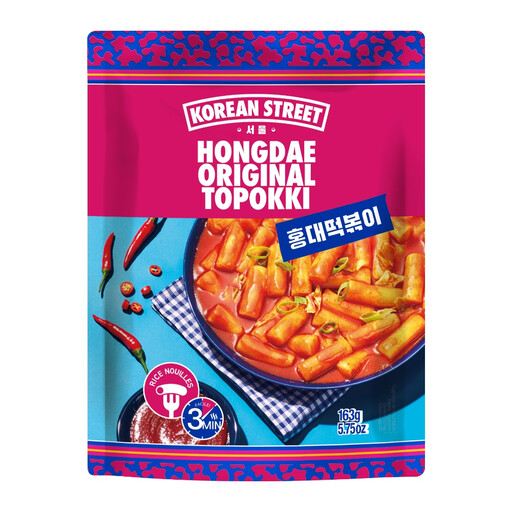
Why This Fits Their Persona: A compact ready-to-cook kit for UK shoppers trying Korean street food without buying several separate ingredients.
The 163g pack clearly includes rice noodles, seasoning sauce and dried vegetables, so the preparation format is easy to identify.
Pan cooking takes around three minutes with 80ml of water; wheat is listed as an allergen.
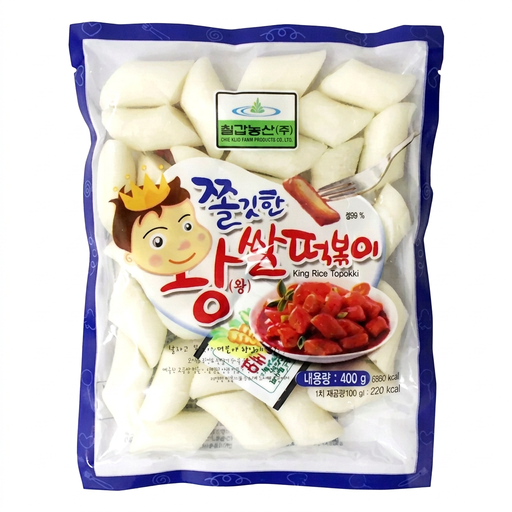
Why This Fits Their Persona: A larger cooking ingredient for shoppers who want to control their own tteokbokki sauce and customise Korean meals at home.
It is identified as a frozen, cooking-required ingredient rather than an instant meal, making the extra preparation clear.
The ingredients list rice at 99%; the 400g pack can also be used in soups, stir-fries and grilled dishes.

Why This Fits Their Persona: A cupboard-friendly option for Muslim shoppers or households wanting a larger serving without freezer storage.
The product information states that it is Halal certified and gives ambient storage guidance before opening.
The pouch contains 240g and cooks in a pan with 100ml of water in approximately five to seven minutes.
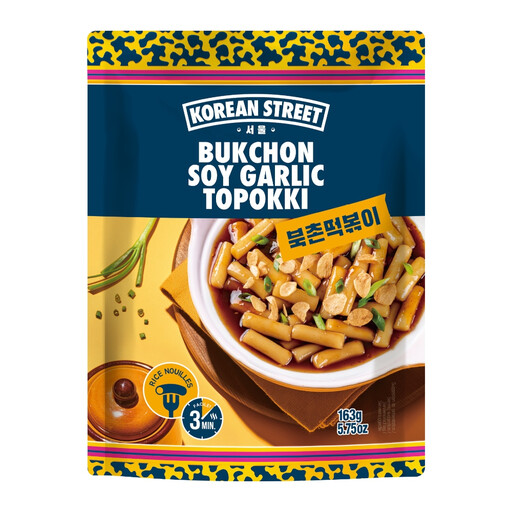
Why This Fits Their Persona: A soy-garlic flavour option for shoppers seeking a non-meat Korean snack with a savoury, slightly sweet profile.
The product details identify it as suitable for vegan and vegetarian diets, while still advising shoppers to check allergen information.
The kit includes rice noodles, sauce and dried vegetables; preparation takes around five to six minutes in boiling water.
We have compiled a complete, real-time list of products that fully satisfy these strict selection criteria and UK safety regulations.
Most instant cups require you to add the rice cakes and sauce to the cup, fill water to the marked line and microwave according to the stated wattage. Pouches usually need a pan and water. Stir during cooking and serve only when piping hot.
Storage life depends on the format. Frozen rice cakes should remain at -18°C or below until the stated best-before date. Ambient cups and pouches should be stored in a cool, dry place away from direct sunlight. Once opened or cooked, follow the product’s consumption instructions rather than storing leftovers for several days.