
24/7 Customer Support

Free returns

Same-day & Next-day Delivery

Quality Guaranteed

Unlock Your Welcome Offers: FREE Delivery | Up to 80% OFF | Free 30-day JoyPlus trial
Download the APP
Navigating the market for a new tumble dryer can feel overwhelming. With a vast array of models, features and technical jargon, it is easy to make a purchase that doesn't quite fit your household's needs or budget. As a Joybuy Product Recommendation Officer, my role is to help you sidestep common purchasing pitfalls and identify the key factors that truly matter.
Many shoppers fall into a few common traps. The first is focusing solely on the initial purchase price while ignoring the long-term running costs, which can vary dramatically. The second is choosing the wrong type of dryer for their home, such as a vented model for a flat with no external wall access. Finally, many overestimate or underestimate their capacity needs, leading to wasted energy or endless laundry cycles. This guide will help you cut through the clutter and make a practical, informed decision.
To choose the right appliance, it is crucial to understand a few core parameters. These specifications determine a dryer's efficiency, suitability for your home and overall running cost.
The technology a tumble dryer uses is the single most important factor affecting its energy consumption and installation requirements.
Heat Pump Tumble Dryer: These models operate like a refrigerator in reverse. They use a closed-loop system to heat air, pass it through the drum to collect moisture and then cool the air to condense the water, reheating and recycling the same air. This process is highly efficient and uses significantly less electricity. While the initial purchase price may be higher, a heat pump tumble dryer offers substantial long-term savings on your energy bills, making it an excellent investment for frequent users. They do not require external venting.
Condenser Tumble Dryer: A condenser tumble dryer works by heating air with an element, which then collects moisture from your clothes. This damp, hot air is passed over a cold surface (the condenser), which turns the moisture into water that collects in a removable container. These are simpler to install than vented models as they only need a power socket, but they are less energy-efficient than heat pump dryers, often falling into B or C energy ratings.
In the UK, all tumble dryers come with an energy label, rating them from A+++ (most efficient) to G (least efficient). An energy efficient tumble dryer with an A++ or A+++ rating can cost significantly less to run per year than a B-rated model. Given rising energy prices, paying more upfront for an A+++ tumble dryer can lead to considerable savings over the appliance's lifespan, often paying back the initial difference in just a few years.
Capacity is measured in kilograms (kg) and refers to the maximum dry weight of laundry the drum can handle.
Equally important are the physical dimensions. Always measure the intended space—including depth for pipes and ventilation—before purchasing. For those in flats or with limited utility space, a compact tumble dryer offers a smaller footprint without compromising on drying functionality.
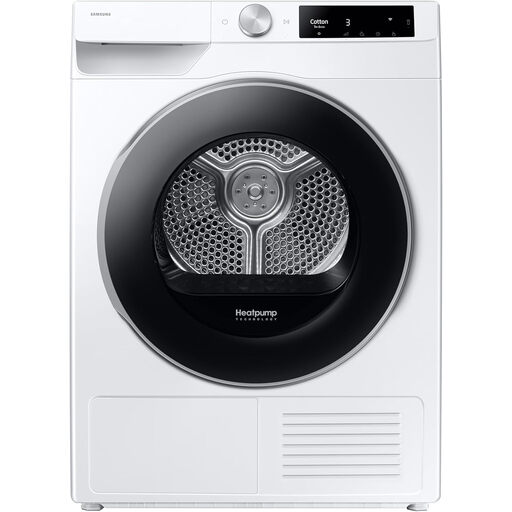
Why This Fits Their Persona: This Samsung tumble dryer is ideal for families who do frequent, large loads of laundry and want to minimise their electricity bills. The 9kg capacity handles bedding and school uniforms with ease, while the smart features offer convenience for busy schedules.
Its A+++ energy rating and heat pump technology directly counter the pitfall of high running costs, ensuring long-term savings that offset the initial investment.
Features OptimalDry sensor drying to prevent fabric damage and save energy. The smart tumble dryer connectivity via the SmartThings app allows for remote control and energy monitoring.
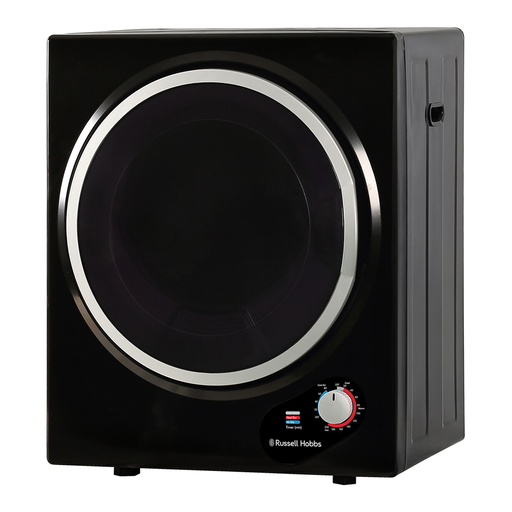
Why This Fits Their Persona: Perfect for those in smaller homes, flats or student accommodation where space is at a premium. Its compact design allows for countertop placement or even wall-mounting, making it a versatile choice for tight spaces.
This compact tumble dryer directly solves the problem of misjudging size. It is specifically designed for small living areas, avoiding the issue of buying a standard-sized appliance that won't fit.
Offers flexible installation (freestanding, countertop or wall-mounted). Its 62 dB noise level makes it a relatively quiet tumble dryer, suitable for open-plan living.
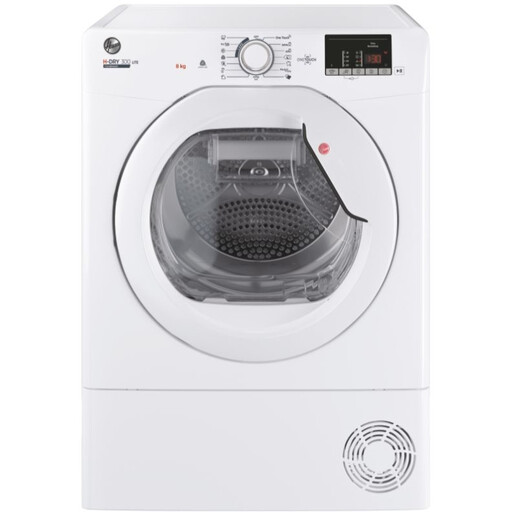
Why This Fits Their Persona: This Hoover tumble dryer offers a great balance of features, capacity and upfront cost. It is a practical choice for those who need a reliable machine for everyday use without the premium price tag of a heat pump model.
As a condenser model, it avoids the "wrong type" trap by not requiring external venting, offering flexible placement in any home. It provides a solid 8kg capacity at an accessible price point.
Features four dryness levels for tailored results and a 24-hour delay timer to take advantage of off-peak energy tariffs. The B energy rating offers a reasonable running cost for its price bracket.
We have compiled a complete, real-time list of products that fully satisfy these strict selection criteria and UK safety regulations.
The running cost of a tumble dryer depends heavily on its energy rating and the price of electricity. An A+++ heat pump tumble dryer can use less than a third of the energy of a B-rated condenser model per cycle. For a typical household, this could translate to savings of over ?100 per year, making the higher initial cost a worthwhile investment for long-term value.
This depends on the type.
Regular maintenance is key. The most important task is to clean the lint filter after every single use. A clogged filter restricts airflow, reduces efficiency and poses a significant fire hazard. For condenser and heat pump models, you should also regularly empty the water container and clean the condenser unit or heat exchanger according to the user manual.