Households drying cotton regularly in winter
If towels, bedding and everyday cotton clothing frequently need machine drying, compare running energy use alongside a drum size that fits your usual loads.


For regular winter cotton loads, a heat-pump dryer is a sensible starting point: it does not need an outdoor exhaust route, and Which? describes heat-pump dryers as cheaper to run than conventional condenser or vented types, though they generally cost more to buy. A conventional condenser dryer is another vent-free option if the room is suitably ventilated; choose a vented dryer only if you can route its exhaust outdoors. Whichever type you consider, check its capacity, fit, cotton programmes, energy information and moisture-handling arrangement.
If towels, bedding and everyday cotton clothing frequently need machine drying, compare running energy use alongside a drum size that fits your usual loads.
Heat-pump and condenser dryers collect water instead of exhausting damp air through an outside vent. Room ventilation, moisture capture and the water-container or drainage arrangement still matter.
Check cotton programmes, rated capacity and any sensor-controlled drying options. A rapid programme for a smaller load should not be mistaken for the time needed to dry a full cotton load.
Consider it when: You dry cotton regularly and want a vent-free option with lower running energy use; Which? identifies heat-pump dryers as cheaper to run than conventional dryer types.
Trade-off: Which? notes that heat-pump dryers generally cost more to buy, so compare the exact models’ energy and cotton-programme information.
Consider it when: You cannot provide an outdoor exhaust route and prefer an alternative to a heat-pump dryer.
Trade-off: It still needs suitable room ventilation and a way to empty or drain collected water; check moisture-capture information for the exact model.
Consider it when: Your utility room has a workable route for an exhaust hose to carry damp air outdoors.
Trade-off: The hose route may require installation work and must remain clear for effective drying, as Bosch advises.
| Concern | What to check | Who this matters to |
|---|---|---|
| Running energy use | Compare energy-consumption and programme information for dryers of similar capacity, rather than relying on a rating letter alone. Energy Saving Trust recommends using the product label to compare appliance energy use. | With cotton loads to dry repeatedly through winter, I want to understand the electricity use before deciding. Around 31% of consumers would put running energy use first. |
| Room fit and moisture | Measure the full installation space and door clearance; check the exhaust route or, for vent-free models, water collection, drainage compatibility and condensation efficiency where available. | If there is no practical outdoor vent, I need the dryer to fit the room and handle collected water without making the space uncomfortably damp. Around 25% of consumers would prioritise room fit and moisture handling. |
| Capacity and turnaround | Compare rated drum capacity with your usual load, then check cotton-cycle details and the load limit of any rapid programme. | When towels and bedding build up, I want to avoid splitting an ordinary wash into several dryer loads or relying on a small-load speed claim. For around 25% of consumers, capacity and turnaround would come first. |
| Cotton fabric care | Look for suitable cotton dryness settings and automatic moisture sensing; check any lower-temperature claim against the exact model and programme. | For cotton clothes that I dry often, I care about selecting the intended dryness level rather than leaving them on an unnecessarily long timed cycle. Around 19% of consumers would make fabric care their primary concern. |
A vented dryer needs a hose route to a suitable window or exterior wall; the layout of a utility room may make that impractical.
Check the proposed route and measure the space before choosing a vented model.
Creating an exterior-wall route may involve installation work.
A rating letter alone does not tell you how two differently sized dryers will serve your usual cotton load.
Compare the applicable energy information and programme data for models of similar capacity. Energy Saving Trust recommends looking beyond the letter grade when comparing appliances.
Which? uses captured-water performance to assess how much warm, damp air a dryer allows into the home. This matters in an enclosed utility room.
Check condensation-efficiency information for the exact heat-pump or condenser model where available, and keep the room appropriately ventilated.
A UK corrective-action programme reported by the Office for Product Safety and Standards concerns specified Haier-manufactured heat-pump dryers sold under several brands, not every dryer bearing those brand names.
Check the exact model and serial number against the official notice and follow its instructions if the appliance is affected.
Bosch offers heat-pump dryers for buyers considering vent-free drying and automatic dryness controls.
Beko has heat-pump models for buyers comparing sensor drying and specified smaller-load programmes.
AEG offers heat-pump dryers with published programme and installation information for model-by-model comparison.
Miele’s heat-pump range may interest buyers comparing fabric-care controls and condensate-handling arrangements.
These heat-pump models are options to consider for regular winter cotton drying where a utility room has no convenient outdoor exhaust route. Compare their listed capacities with your usual loads, then check the exact cotton programmes, installation clearances and moisture-handling arrangements before ordering.
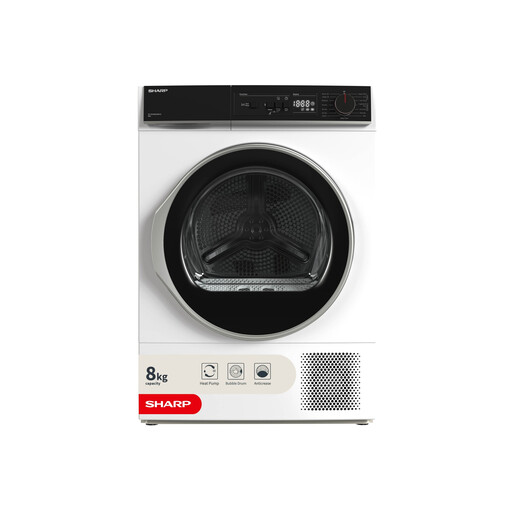 No image available
Consider this 8 kg model if that capacity fits your regular cotton loads. Its product name states an A++ rating; compare the applicable energy and cotton-programme information, and check room clearances and water disposal before ordering.
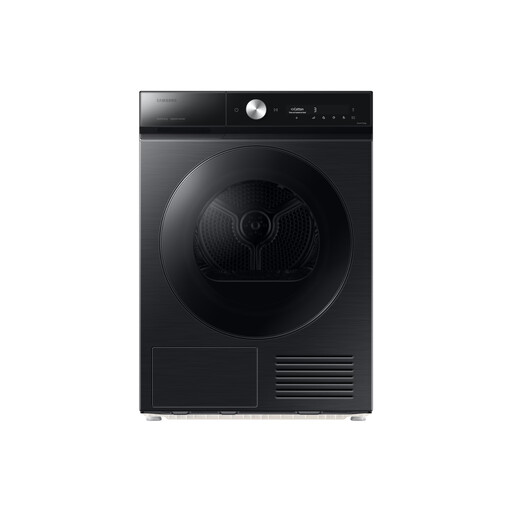 No image available
The 9 kg capacity is worth considering if your usual cotton loads need that much room. Check the exact cotton programme, energy information and water-disposal arrangement before deciding whether it fits your utility room.
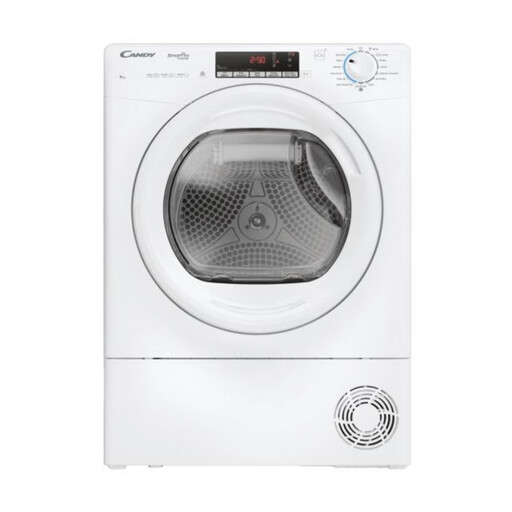 No image available
For larger regular loads, compare this 9 kg model with the space available and the size of your usual wash. Its name specifies Sensor Dry and an A+++ rating; check the cotton programme, applicable energy information, drainage options and any safety notice covering its exact model and serial number.
 No image available
If you regularly have larger cotton loads, assess whether this 9 kg capacity matches them. The product name lists Sensor Dry and an A++ rating; check the cotton-cycle and energy details, moisture handling and any safety notice for the exact model and serial number.
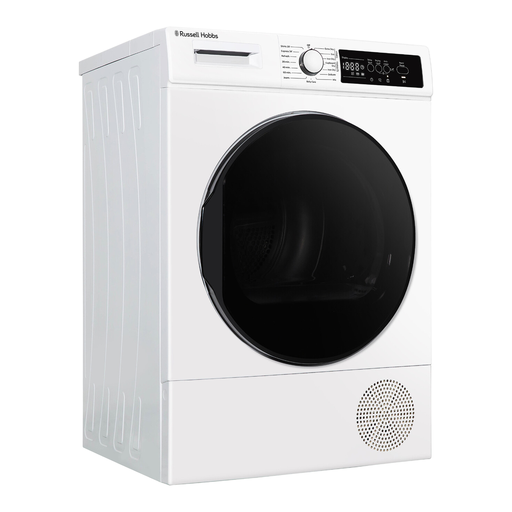 No image available
Consider the 9 kg drum if it suits the cotton loads you intend to dry. Confirm its cotton programmes, energy information, installation dimensions and whether its water-disposal arrangement works in your utility room.
Yes, particularly if you have no convenient outdoor vent and will use the dryer often. Bosch describes heat-pump drying as recirculating air and collecting condensed water, while Which? identifies lower running costs than for conventional dryer types; weigh that against the generally higher purchase cost and check the exact model’s cotton programmes.
A vented dryer needs a route to exhaust damp air outdoors; a condenser or heat-pump dryer collects water instead. For either vent-free type, check how its container is emptied or whether the exact model supports drainage, and provide suitable room ventilation.
For a condenser or heat-pump dryer, compare condensation-efficiency information for the exact model where available and keep the room appropriately ventilated. Which? notes that better water capture means less warm, damp air escaping into the home; a vented dryer instead needs a clear, properly routed exhaust hose.
Check the exact model and serial number against current UK product-safety notices before use. The Office for Product Safety and Standards has reported a corrective-action programme for certain Haier-manufactured heat-pump dryers sold under several brands; if your appliance is affected, stop using it and follow the official instructions for repair.
Not necessarily: compare the rapid programme’s stated load limit with the dryer’s rated capacity. Beko says the RapiDry programme on its B5T48231R can dry a 5 kg load in one hour, but that does not establish a one-hour drying time for a full 8 kg cotton load.