Families drying frequent loads
If cotton clothing, towels and bedding regularly need drying through winter, consider how much fits in one load and whether the available programmes suit those items.


For a family regularly drying cotton laundry in winter, an 8–9 kg heat-pump dryer is a useful starting point if lower energy use matters more than a potentially longer cycle. A condenser dryer also avoids the need for an external vent, while a vented dryer needs a suitable route outdoors. Whichever type you consider, check the exact model’s cotton programme, dimensions, energy information and installation requirements.
If cotton clothing, towels and bedding regularly need drying through winter, consider how much fits in one load and whether the available programmes suit those items.
Repeated use makes programme energy consumption an important comparison. A heat-pump dryer may suit households willing to accept potentially longer cycles in return for lower energy use.
Available floor space, an external vent route, condensate drainage and the intended room can determine which dryer type is practical before drum capacity enters the decision.
Choose a dryer type that works in the intended location, then compare capacity, the cotton programme and energy information for the exact model. 8–9 kg is a typical starting range for homes of three or four people, not a guarantee that every family load or bulky item will fit.
Consider it when: You expect frequent winter use and want to prioritise lower energy use without installing an external vent hose.
Allow for: Cycles that may take longer, plus a condensate tank or a model-compatible drain arrangement.
Consider it when: You need a dryer without an external vent and are comparing models against your expected frequency of use.
Allow for: Emptying the tank unless the model supports a suitable drain connection; compare its programme energy figures rather than assuming they match a heat-pump model.
Consider it when: A suitable external vent route is available and the dryer can be installed as its manufacturer requires.
Allow for: A hose that must discharge outdoors and remain unobstructed, alongside the model’s energy use during repeated winter drying.
| Concern | What to check | Who this matters to |
|---|---|---|
| Energy use | Compare the exact models’ current energy information and cotton-programme consumption, not dryer type alone. | With loads to dry repeatedly through winter, I would rather limit electricity use than insist on the shortest cycle. Around 42% of consumers would make running energy use their primary concern. |
| Cotton-load capacity | Use 8–9 kg as a starting range, then check the cotton programme, dryness controls and the loads you actually dry. | When clothing, towels and bedding build up, I want manageable loads without overfilling the drum. For around 33% of consumers, fitting family cotton loads is the main priority. |
| Installation and space | Measure the access route and door clearance; check venting or drainage, stated noise and permitted operating conditions. | If the dryer must fit a particular space, I need to know that its water handling and installation requirements will work there. Siting is the primary concern for around 25% of consumers. |
A dryer used regularly through winter makes programme energy consumption relevant even when two models have similar drum capacities.
Compare the exact models’ energy information and consider how often you expect to run a cotton load. Do not treat dryer type alone as a substitute for that comparison.
A family-sized dryer still needs to pass through the access route and leave room for its door to open.
Measure the intended position, doorway and door-opening space, and check whether the model is freestanding or integrated.
A vented dryer needs a suitable route outdoors. Condenser and heat-pump dryers avoid that hose but collect water in a tank or use a compatible drain arrangement.
Check the manufacturer’s installation instructions and decide how condensate will be handled before choosing the model.
Lint can restrict airflow. Electrical Safety First advises cleaning the lint filter after every use.
Keep airflow paths clear and follow the manufacturer’s instructions for cleaning and electrical connection.
These brands have relevant heat-pump ranges; features and operating conditions depend on the individual model.
Its UK range includes 8 kg and 9 kg heat-pump dryers, including the 8 kg WTH85226GB.
Its range includes 9 kg heat-pump dryers aimed at larger laundry loads.
Its heat-pump range includes 8 kg and 9 kg models with fabric-care programmes.
Its heat-pump range includes 9 kg models with model-specific controls and fabric-care features.
Its range includes 9 kg heat-pump models with selectable dryness levels.
These 8 kg and 9 kg heat-pump dryers are options to examine for regular family laundry. Compare each model’s cotton programme, energy information and installation instructions before deciding which fits your home.
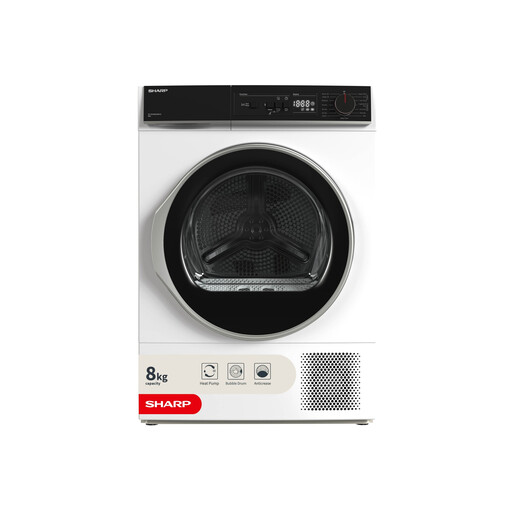 Image unavailable
Consider this 8 kg model if that capacity fits the cotton loads your family dries at once. Check its cotton programme, current energy information and installation dimensions for your intended space.
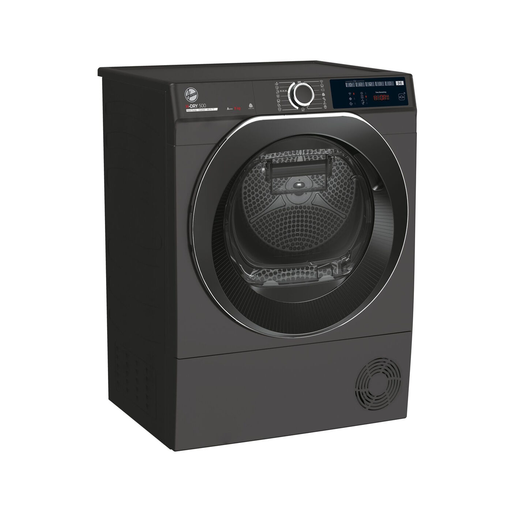 Image unavailable
The 9 kg capacity is worth considering if your usual family loads need a larger drum. Confirm the cotton programme, current energy information and required clearance before choosing it.
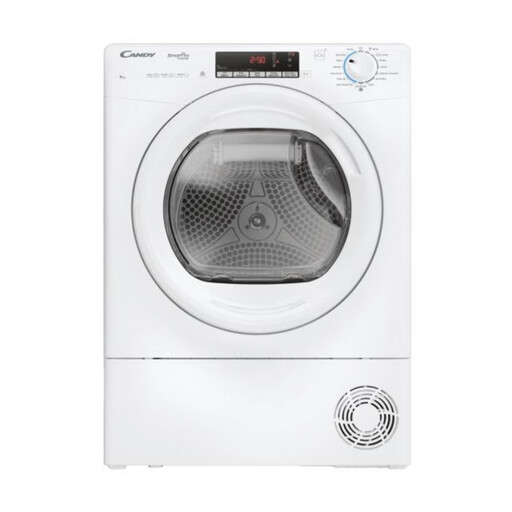 Image unavailable
This 9 kg model lists sensor drying and Wi-Fi connectivity for households comparing dryness controls as well as capacity. Check the cotton-programme options, current energy information and fit before ordering.
 Image unavailable
This 9 kg model lists sensor drying and Wi-Fi connectivity. For winter cotton loads, check its programme choices, current energy information and installation requirements alongside the stated capacity.
Image unavailable
Its 9 kg capacity puts this model in the starting range for many family loads. Check how its cotton programme works, its current energy information and the space required to install it.
It is a useful starting point for frequent family loads when lower energy use matters more than a potentially longer cycle. Compare exact-model energy information and cotton programmes; a condenser dryer remains an option without an external vent, while a vented dryer requires a suitable route outdoors.
They normally collect moisture as condensate rather than requiring an external vent hose. Check whether your chosen model has a removable tank, supports a drain connection and needs a separate drain accessory.
Only choose that location if the exact model’s instructions permit its operating conditions. Do not assume a feature on one dryer applies across a range: Hotpoint describes ColdGuard as a model-specific programme designed to work at temperatures as low as 0°C.
Clean the lint filter after every use, as Electrical Safety First advises. Keep airflow paths clear and follow the dryer manufacturer’s instructions for cleaning and electrical connection.
Compare the current energy label and product information for each exact model, including relevant programme figures where available. Do not assume that an older rating printed in a product title gives you a like-for-like comparison with another dryer’s current information.