What matters when choosing?
Decide whether the property can accommodate an external vent, then compare load limits, programme times and the routine needed to maintain the dryer.
Heat-pump dryer
Consider when: There is no suitable external vent and repeated electricity use matters; heat-pump dryers recirculate warm air rather than expelling it.
Trade-off: Check programme duration at the intended load size. A rapid cycle may accept much less than the drum’s rated capacity.
Condenser dryer
Consider when: An external vent is impractical and you are comparing non-vented models.
Trade-off: Energy Saving Trust identifies heat-pump dryers as the more efficient technology. Compare the exact models’ energy information and their water-emptying or drainage arrangements.
Vented dryer
Consider when: The property has a suitable external vent installation and the arrangement fits its fire-safety plan.
Trade-off: The external duct needs an accessible cleaning routine as well as space for installation.
| Concern | What to check | Who this matters to |
|---|
| School-clothes turnaround |
Compare the duration and maximum load of the intended quick, mixed or cotton programme; check whether sensor drying is offered. |
Wet uniforms may need to be ready while guest laundry is still waiting. Around 36% of consumers would put timely drying of a small clothing load first. |
| Guest-laundry capacity |
Check rated capacity, programme load limits and the space needed to open the door. |
If towels and bedding fill the laundry basket, avoiding extra loads becomes the main concern for around 29% of consumers. |
| Repeated electricity use |
Compare energy labels and product information for the exact models, using comparable capacities and programmes. |
During a run of rainy days, frequent cycles can make electricity use the deciding need for around 21% of consumers. |
| Clothing care and upkeep |
Check suitable garment programmes, filter access and who will clean the appliance; include any duct in the maintenance plan. |
Uniform care matters, but so does a cleaning routine that does not depend on guests. Around 14% of consumers would make these needs their first priority. |
Joybuy heat-pump dryer choices
These heat-pump models offer different rated capacities and clothing-programme options for rainy-day school clothes and holiday-let laundry. Compare each model’s programme load limits, energy information and installation requirements before choosing.
 No image available
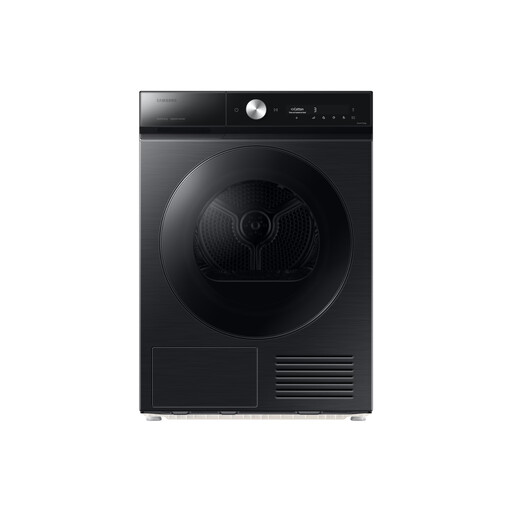
Samsung Series 8 AI Energy DV90BB9545GBS1 9 kg heat-pump dryer, black
Consider this model when school clothes and larger guest-laundry loads share one dryer.
The rated drum capacity is 9 kg. Check the permitted load and drying time of the programme you would use for urgent clothes; a quick cycle need not accept a full drum.
View on Joybuy
 No image available
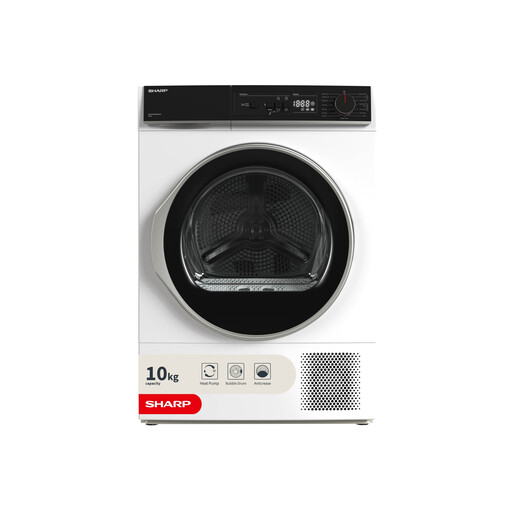
Sharp KD-NHA0S6GW1D-EN 10 kg heat-pump dryer, white
Consider the 10 kg rated capacity if towels and bedding regularly compete with clothing for drum space.
Check the load limits of its shorter clothing programmes separately, as well as the appliance dimensions and water-tank routine for the let.
View on Joybuy
 No image available
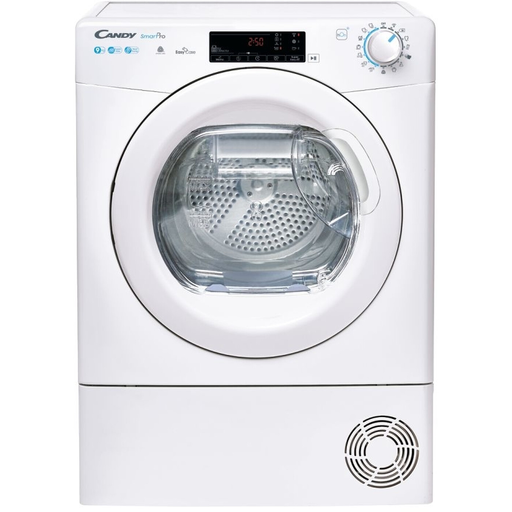
Candy Smart Pro CSOE H9A2TE-80 9 kg heat-pump dryer, white
This 9 kg model is an option to compare for mixed guest laundry and everyday clothing.
Before counting on a rapid programme for uniforms, confirm its permitted load, duration and resulting dryness. Plan for lint-filter cleaning and water-tank care.
View on Joybuy
 No image available
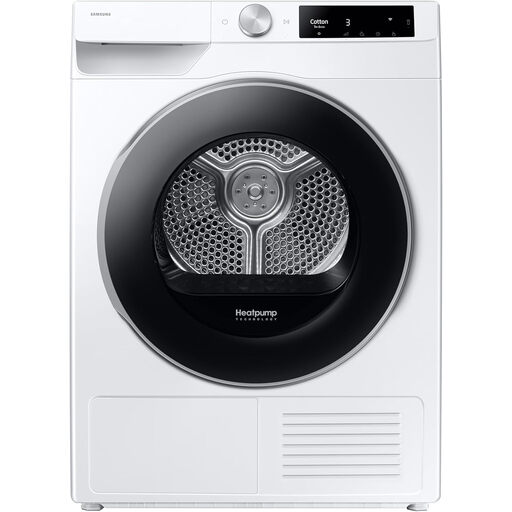
Samsung DV90T6240LE/S1 9 kg heat-pump dryer, white
Consider this 9 kg model if a small urgent clothing load is part of a broader guest-laundry routine.
Check the programme table for the amount of clothing you intend to dry: a short cycle for a small load does not establish the time for a larger one.
View on Joybuy
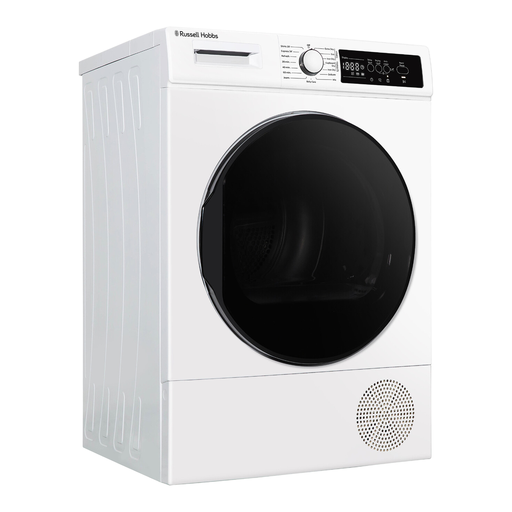 No image available
Russell Hobbs RH9HPTD1E12W 9 kg heat-pump dryer, white
This 9 kg model is worth comparing if the let needs both routine laundry capacity and shorter clothing programmes.
Check the express and shirt programmes’ load limits and drying results for the uniforms in question, and include filter and water-tank care in the host’s routine.
View on Joybuy
Common questions
Is a heat-pump dryer a sensible choice for a holiday let without an external vent?
Yes, it is a useful starting point when repeated electricity use matters: heat-pump dryers do not need an external exhaust vent, and Energy Saving Trust describes them as more energy-efficient. Compare the exact model’s programme times and load limits before deciding it will meet a tight laundry turnaround.
Will a 9 kg dryer dry 9 kg of uniforms on its quick programme?
Not necessarily: the drum rating and quick-programme limit can differ. Beko says the one-hour RapiDry programme on its 9 kg B3T49241R accepts up to 5 kg, so check the programme table for any model you are considering.
What dryer maintenance should a holiday-let host arrange?
Give a named person responsibility for routine cleaning and for reporting faults. Lichfield District Council advises cleaning the lint filter after every use and checking and cleaning vents and ducts regularly where fitted; stop using an appliance that shows signs of overheating or another fault until it has been checked.
Which fire-safety requirements apply to the let?
Check the requirements for the nation and property in which the let is located before treating any single set of guidance as applicable. Identify whether the property is in England, Wales, Scotland or Northern Ireland, then consult the relevant fire-and-rescue service or local authority about its fire-risk arrangements.
When is a vented dryer worth considering?
Consider a vented dryer only where a suitable external duct can be installed and maintained within the property’s fire-safety arrangements. A non-vented heat-pump or condenser model avoids that external duct, but still needs suitable installation space and routine filter care.


