Shared-house laundry coordinators
People organising school uniforms, PE kits and everyday clothes for several occupants, especially when wet weather puts pressure on the next school-day load.


For frequent rainy-day loads, start by comparing 8 kg and 9 kg heat-pump dryers if their programme times suit your school-day routine. Which? identifies heat-pump dryers as the cheapest type to run, but a condenser dryer also works without an external vent; consider a vented dryer only if the property has a suitable, permitted route for its hose. Whichever type you choose, check the space, electrical connection and garment labels before ordering.
People organising school uniforms, PE kits and everyday clothes for several occupants, especially when wet weather puts pressure on the next school-day load.
Consumers who expect to dry clothes regularly and want to weigh electricity use against the time each programme takes.
Renters or homeowners without a practical external vent who need to check placement, drainage and ventilation requirements before choosing a dryer.
The three dryer types handle moisture differently, so settle the installation question before comparing capacity and programmes for school clothes.
Choose when: You expect frequent loads and cannot use an external vent. Which? identifies heat-pump dryers as the cheapest type to run.
Trade-off: Check programme duration if clothes must be ready the same evening; do not assume a short cycle takes a full load.
Choose when: You need an indoor dryer without an external vent and can manage the collected water.
Trade-off: Moisture collects in a container or uses a drainage arrangement, depending on the model; compare its energy information with the heat-pump models you are considering.
Choose when: The property has a suitable external vent route and any necessary alteration is permitted.
Trade-off: Its hose must carry moisture outside, so it cannot simply replace a vent-free dryer in a room without that route.
| Concern | What to check | Who this matters to |
|---|---|---|
| Shared-load capacity | Compare 8 kg and 9 kg drums against typical loads, then check the capacity allowed on the programmes you would use. | When several residents need uniforms and PE kit ready, I want to avoid a queue of small loads; around 25% of consumers put shared-load capacity first. |
| Electricity use | Compare energy information and relevant programme times for the exact models, rather than relying on the dryer type alone. | If rainy weeks mean repeated drying, I want electricity use to remain manageable; roughly 31% of consumers make that their primary concern. |
| Installation | Measure the space and door clearance; check ventilation instructions, a nearby wall socket and the required vent or drainage arrangement. | With limited shared-house space or no permitted vent, I need a dryer I can place and connect appropriately; about 25% of consumers prioritise installation. |
| Garment care | Read care labels, then compare the exact model's programmes for the fabrics in your school-clothes loads. | If uniforms and sportswear need different care, I want suitable settings rather than relying on one cycle; around 19% of consumers put garment care first. |
A vented model needs a hose carrying moisture outside. Electrical Safety First recommends professional installation for this type.
Confirm the route, property-owner permission and installation plan before ordering. If a suitable route is unavailable, compare heat-pump and condenser models instead.
Installing a vent may require work on the property.
Programme names and headline times do not establish which load sizes or fabrics a cycle accepts.
Check the programme's load limit and fabric conditions against the clothes that actually need drying by the next school day.
Electrical Safety First warns against using an extension lead as the normal connection for a large appliance; London Fire Brigade advises against overloading sockets.
Check for a suitable nearby wall socket and follow the appliance's installation instructions.
UK product-safety alerts can apply to specific models, while lint left in a dryer creates an avoidable maintenance concern. London Fire Brigade advises cleaning the filter after every load.
Check the exact model and serial number against current Office for Product Safety and Standards alerts, and agree who will clean the filter after each shared-house load.
Its UK heat-pump range includes 8 kg and 9 kg options for consumers comparing capacity and lower-temperature drying.
AEG offers heat-pump models with SensiDry and MixDry-labelled features for consumers comparing fabric and mixed-load programmes.
Its heat-pump range includes garment-care and convenience features that may matter when several people share one dryer.
These 8 kg and 9 kg heat-pump models are options to compare for combined school-clothes loads. Check each model's programme limits and installation measurements against your household's routine.
 No image available
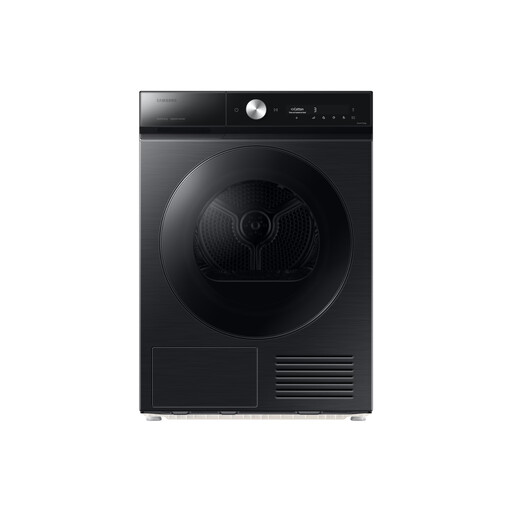
For residents combining school-clothes loads, compare this model's 9 kg capacity with the laundry you normally dry together.
Check the load limit and duration of the programme you intend to use, as well as clearance with the door open.
 No image available
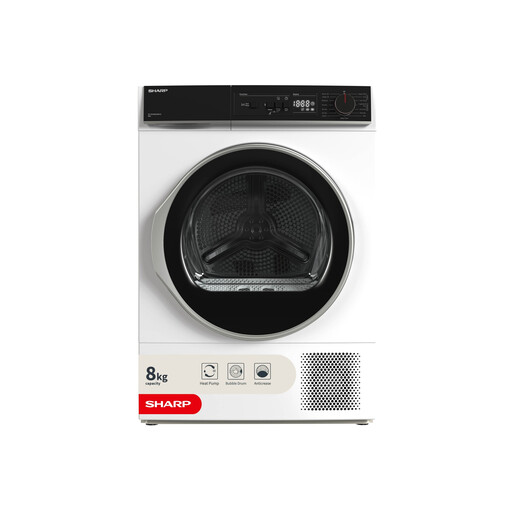
For a shared house assessing an 8 kg drum, compare its capacity with the size of the loads you would put through one cycle.
The product name lists an A++ rating; check current energy information, programme restrictions and door-open clearance for this exact model.
 No image available
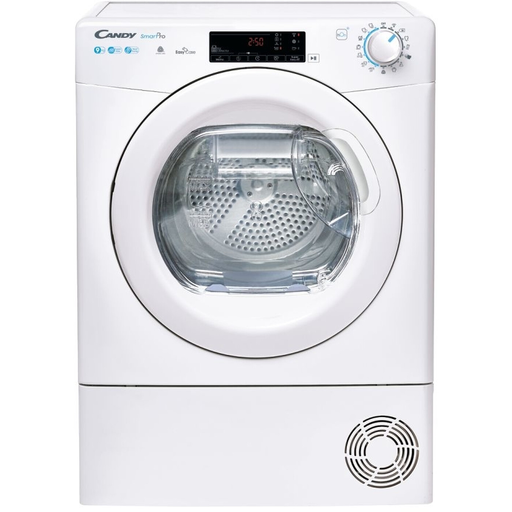
For households considering larger combined loads, compare its 9 kg drum with the capacity permitted on the programmes you need.
The product name lists an A++ rating. Check door-open clearance and the exact model and serial number against current UK product-safety alerts before use.
 No image available
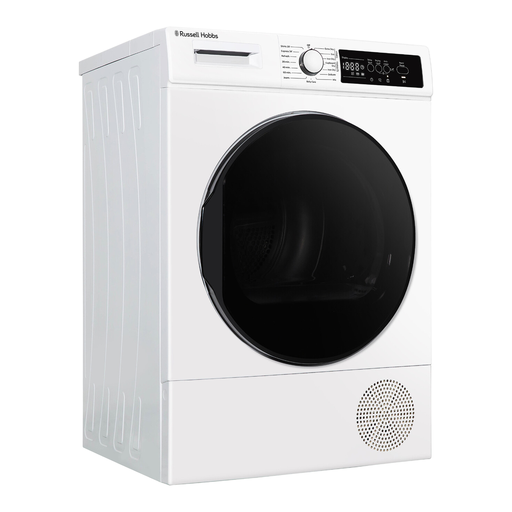
For a shared house combining several residents' laundry, assess whether its 9 kg capacity matches your usual loads.
If shirts are needed quickly, check the relevant programme's load and fabric conditions rather than applying a short-cycle time to a full drum.
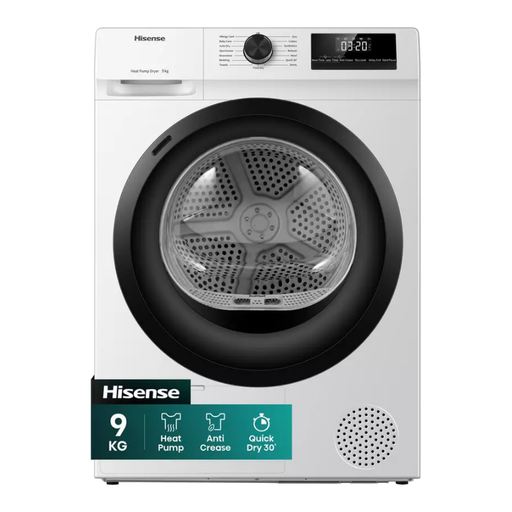 No image available
For larger combined school-clothes loads, compare this 9 kg model with the space available and the fabrics you dry most often.
The product name lists an A++ rating and anti-crease feature; check the exact programme choices, cycle times and installation clearance.
Start with the size of a typical combined load, not the number of residents alone. Compare 8 kg models as a starting point and 9 kg models if combined loads are routinely larger, then check programme-specific capacity and the space the dryer needs.
A heat-pump dryer is worth comparing when loads are frequent and an external vent is unavailable. Which? identifies heat-pump dryers as the cheapest type to run, while Bosch explains that they reuse heated air; check the exact programme duration if clothes must be ready that evening.
Do not plan either arrangement without checking the installation requirements. Electrical Safety First advises avoiding enclosed cupboard placement, allowing ventilation space and positioning the dryer close enough to a wall socket that an extension lead is unnecessary.
Check the exact model and serial number against current Office for Product Safety and Standards alerts, and follow any instructions that apply to that appliance. An alert affecting specified models must not be taken to cover every dryer from the same brand.
No: follow each garment's care label and choose a suitable programme for items that can be tumble dried. Electrical Safety First also warns not to tumble dry clothing contaminated with combustible substances such as oils, grease or solvents.