Households with frequent rainy-day loads
If uniforms, socks and PE kit regularly need drying, consider electricity use alongside the time each programme takes. Heat-pump dryers have a longer-cycle trade-off.


For frequent loads of school clothes, a heat-pump tumble dryer is a sensible starting point if lower electricity use and a ventless installation matter more than the shortest cycle. Heat-pump cycles can take longer than condenser cycles; a condenser dryer is another ventless option, while a vented dryer needs a suitable route outdoors. Whichever type you choose, check the garments’ care labels, the programme for your usual load and the installation instructions for your utility room.
If uniforms, socks and PE kit regularly need drying, consider electricity use alongside the time each programme takes. Heat-pump dryers have a longer-cycle trade-off.
Check the appliance’s dimensions, access route, required clearances and socket position. Electrical Safety First advises leaving space for ventilation and plugging the dryer into a nearby wall socket rather than an extension lead.
Read each garment’s care label before drying it. If you want automatic dryness control, check the exact model and programme rather than assuming every dryer offers the same settings.
Choose when: You expect frequent loads and favour lower-temperature, lower-energy drying without an external vent hose.
Allow for: Heat-pump drying can take longer than condenser drying; check the programme you would use on school nights.
Choose when: You need a ventless machine and programme duration is a stronger priority than lower electricity use.
Allow for: Check how the chosen model collects or drains water and compare its energy information with the heat-pump models you are considering.
Choose when: The utility room has a suitable route to exhaust damp air outdoors.
Allow for: Unlike the other two types, it needs an external vent hose installed in accordance with the appliance instructions.
| Concern | What to check | Who this matters to |
|---|---|---|
| Electricity use | Compare energy information for the exact models and programmes. Check which label scale each listing uses. | If rainy weather means running several loads, I want to understand the electricity use over repeated cycles. Around 33% of consumers would put running cost first. |
| School-night turnaround | Check programme duration and permitted load size for the clothes you need ready. | When a uniform or PE kit is needed the next morning, I need a cycle that fits the evening’s schedule. Around 25% of consumers would prioritise drying time. |
| Utility-room fit | Measure the space and access route; check clearances, socket position and any external vent route. | Before choosing a dryer type, I need to know the machine can be sited safely in my utility room. For around 17% of consumers, fit and installation would be the main concern. |
| Garment care | Read care labels and check for programmes appropriate to the fabrics and the chosen dryness level. | With uniforms and sportswear going through regular loads, I want to avoid using a setting the garments cannot tolerate. Around 25% of consumers would make fabric care their primary concern. |
A vented dryer needs an outlet outdoors; heat-pump and condenser dryers do not need an external vent hose. All three still need the space and ventilation specified for the model.
Measure the intended position and delivery route, then check the installation manual before deciding whether a vented model is practical.
Heat-pump cycles can take longer than condenser cycles. A short programme, where offered, may have different load conditions from a full-load programme.
Compare the stated duration and permitted load for the programme you would use for school clothes.
Electrical Safety First advises a nearby wall socket and sufficient space around a tumble dryer for ventilation.
Check the model’s clearance instructions and the position of a suitable wall socket before ordering.
Humberside Fire and Rescue Service advises cleaning the lint filter after every load to prevent dangerous build-up.
Follow the model’s filter-maintenance instructions and keep any vent duct unobstructed.
A heat-pump range worth examining if garment-specific programmes are a priority.
A heat-pump range to compare for household loads and model-specific automatic drying.
A range to examine when sensor drying or an integrated utility-room installation matters.
A heat-pump range for buyers comparing fabric-care controls on specific domestic models.
These heat-pump models relate to recurring school-clothes loads. Compare their stated capacities with your usual laundry, then check the exact programme, garment care labels and installation instructions; this list does not cover condenser or vented dryers.
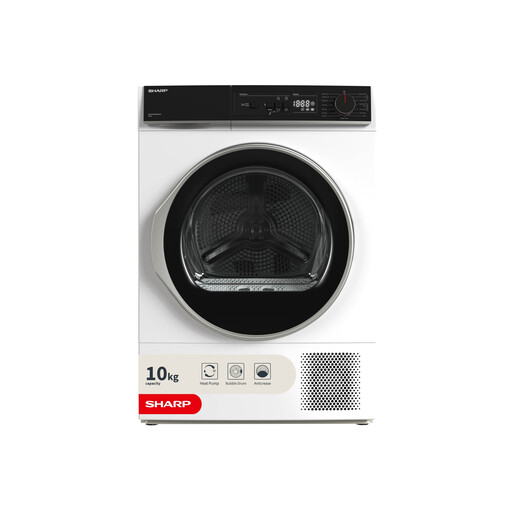 No image available
Consider its 10 kg stated capacity if recurring school-clothes loads are large enough to need it. This is a white heat-pump model; check programme load limits, utility-room clearances and the applicable energy information before choosing.
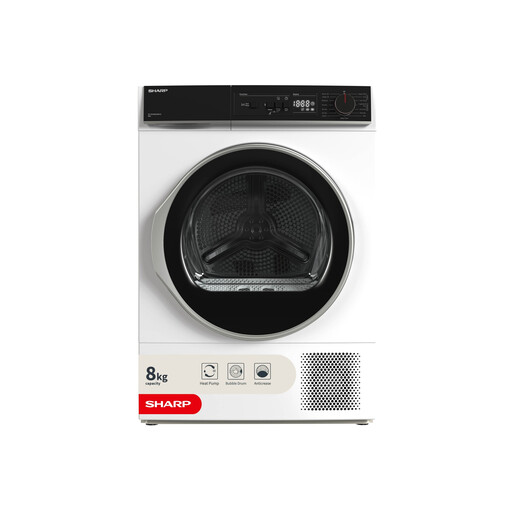 No image available
Compare its 8 kg stated capacity with the loads you expect on wet school days. This is a white heat-pump model; check the programme for your garments, required clearances and applicable energy information.
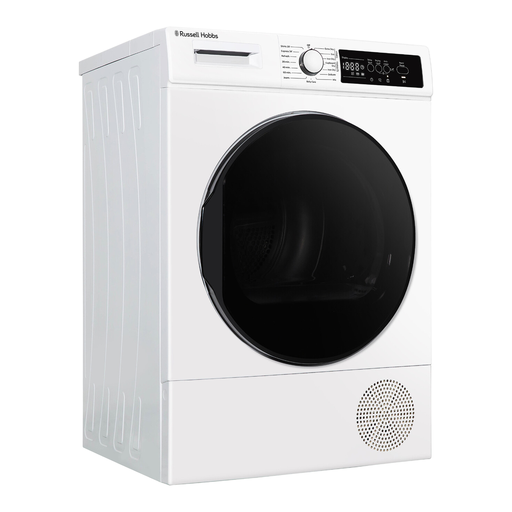 No image available
Its 9 kg stated capacity is worth comparing with your normal school-laundry load. This is a white heat-pump model; confirm the relevant programme duration, installation clearances and energy-label scale.
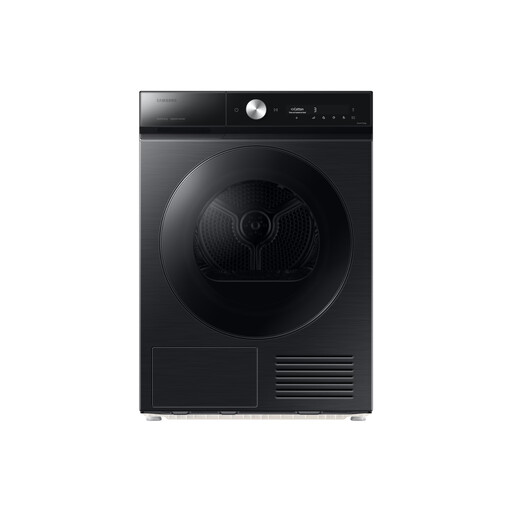 No image available
Compare its 9 kg stated capacity with the amount of school laundry you dry together. This is a black heat-pump model; check the load limit and duration of any shorter programme rather than treating it as a full-load result, and confirm the installation requirements.
 No image available
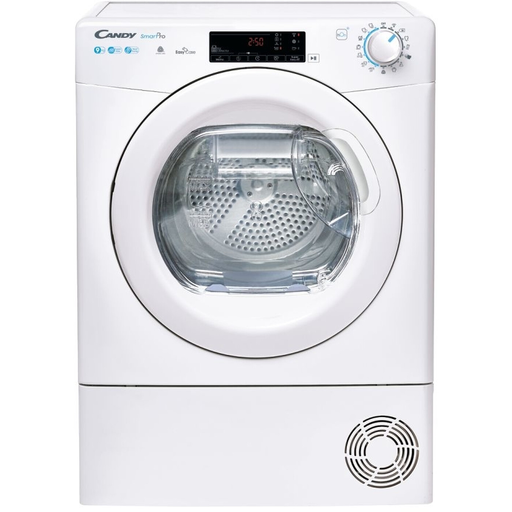
Its 9 kg stated capacity can be weighed against your usual rainy-day load. This is a white heat-pump model; check the conditions of any shorter programme, utility-room clearances and applicable energy information.
Start with a heat-pump dryer if you expect frequent use and want a ventless appliance with lower-temperature drying. Heat-pump cycles can take longer than condenser cycles, so compare the exact programme if clothes must be ready by the next morning.
Choose a capacity that fits your normal laundry load, not just one school shirt. Compare the stated dryer capacity with the loads you wash together, and follow the selected programme’s load limit rather than filling the drum beyond it.
A heat-pump or condenser dryer does not need an external vent hose, whereas a vented dryer needs a route outdoors. Electrical Safety First advises allowing space around the appliance for ventilation and using a nearby wall socket; follow the exact model’s installation instructions.
Clean the lint filter after every load, as Humberside Fire and Rescue Service advises. Follow the manufacturer’s instructions for other filters or condensers, and keep any vent duct clear.