What matters when choosing?
Decide how often you will dry small loads, then check programme limits and installation requirements on the exact model. Dryer types differ in how they are sited, so a suitable programme is only part of the decision.
Heat-pump dryer
Consider it when: Small loads are frequent and the exact model states a relevant load-sensing or small-load function.
Check: Cycle duration and programme limits vary by model; a large drum alone does not establish small-load behaviour.
Condenser dryer
Consider it when: You need a dryer without an external vent hose and have a workable way to empty or drain collected water.
Check: Compare the exact model’s energy information and small-load programmes before choosing it for frequent use.
Vented dryer
Consider it when: A suitable route to an external opening is available.
Check: The vent route and installation need planning before the appliance can be used; Electrical Safety First recommends professional installation.
| Concern |
What to check |
Who this matters to |
| Small-load drying |
Look for a stated half-load or small-load programme, or moisture sensing. Check that programme’s permitted load. |
If I usually have only a few garments to dry, I want the cycle to respond to that load rather than relying on the drum’s rated capacity. Around 36% of consumers put small-load drying first. |
| Energy use and fabric care |
Compare energy information for the exact models and check which programmes suit the garments you dry. |
When laundry goes through the dryer frequently, I care most about electricity use and choosing a suitable programme for the fabric. For around 29% of consumers, that is the primary concern. |
| Installation fit |
Measure the full space and door clearance; check ventilation, drainage arrangements and the socket position. |
I need the dryer to fit and remain accessible for use and cleaning, whatever its programme features. Around 21% of consumers make installation fit their main priority. |
| Urgent loads |
Check the rapid programme’s stated load limit, duration and suitable fabrics. |
When a uniform or sports kit is needed soon, I want to know whether the quick cycle applies to those particular items. Around 14% of consumers prioritise urgent loads. |
Heat-pump dryers on Joybuy
These heat-pump models offer different drum capacities for family laundry. If small loads are your main reason for buying, compare the exact sensor behaviour or small-load programme and its load limit before deciding.
 No image available
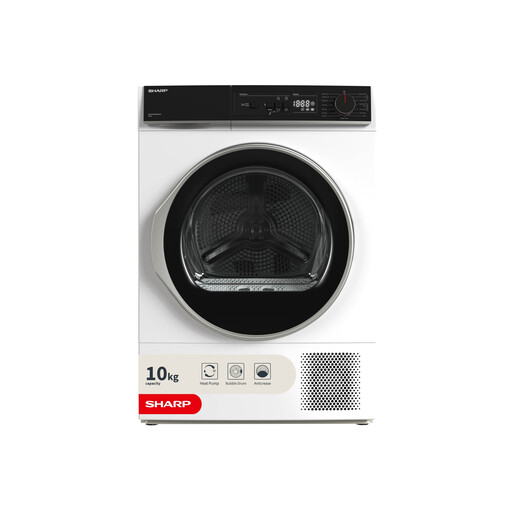
Sharp KD-NHA0S6GW1D-EN 10kg Heat Pump Tumble Dryer
Consider this 10kg model if you need capacity for larger family loads as well as occasional small ones. Before relying on Express 34 or Shirts 20 for a small load, check each programme’s permitted load and fabric conditions.
Check the appliance dimensions and required installation clearance against your intended space.
View on Joybuy
 No image available
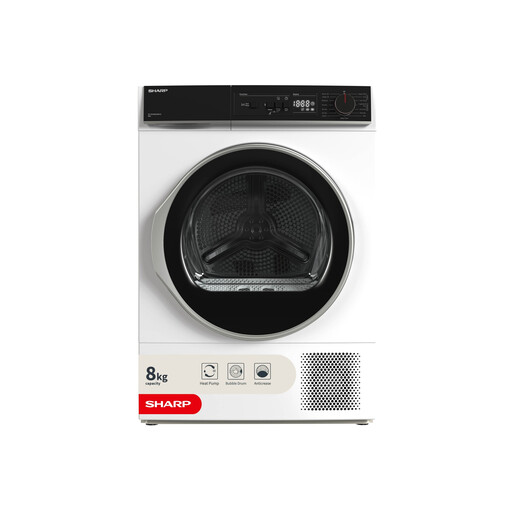
Sharp KD-NHA8S6GW1D-EN 8kg Heat Pump Tumble Dryer
This 8kg model is worth considering if you want a smaller rated capacity than a 10kg dryer while still checking options for frequent small loads. Confirm the permitted loads for Express 34 and Shirts 20 before choosing either programme for your laundry.
Measure the intended position and allow for the clearance required by the model instructions.
View on Joybuy
 No image available
Hoover HRE H9N2TE-80 9kg Heat Pump Tumble Dryer
Consider this 9kg model if moisture-sensing drying matters more to you than a named rapid small-load programme. Check how its Sensor Dry setting behaves with the load sizes you usually dry.
Confirm the dimensions, clearance and maintenance access for its intended position.
View on Joybuy
 No image available
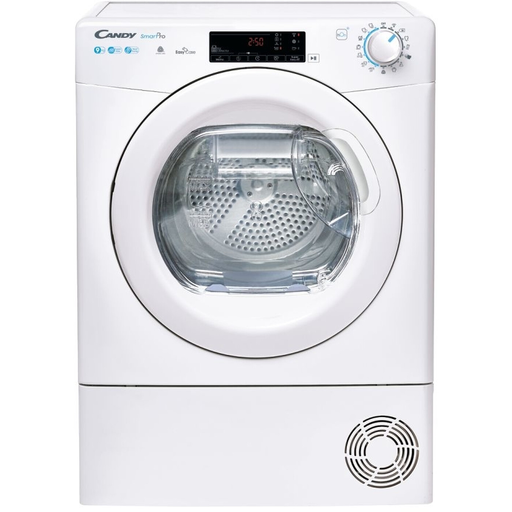
Candy CSOE H9A2TE-80 Smart Pro 9kg Heat Pump Tumble Dryer
This 9kg model is relevant if your family dries loads of varying sizes and you want to examine its Sensor Dry settings. Check how those settings respond to small loads, and confirm the permitted load and duration of any rapid programme you expect to use.
Measure the space available for the dryer and the clearance specified in its instructions.
View on Joybuy
 No image available
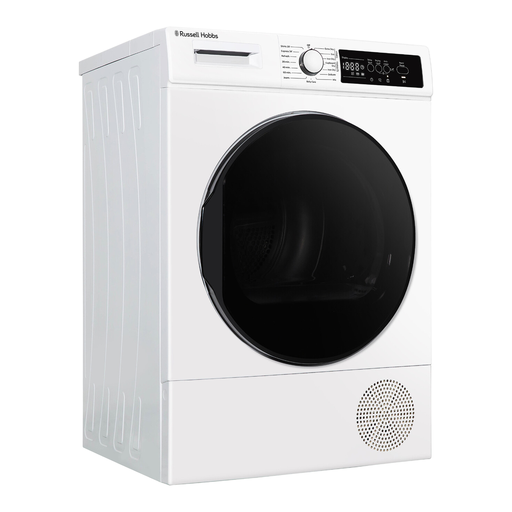
Russell Hobbs RH9HPTD1E12W 9kg Heat Pump Dryer
Consider this 9kg dryer if sensor drying is a priority, but check whether its settings adjust to the small loads you normally dry. If an express cycle matters to you, confirm its permitted load and suitable fabrics before relying on its stated duration.
Check the model’s dimensions and installation clearance before ordering.
View on Joybuy
Frequently asked questions
Is a 9kg dryer too large if I usually dry small loads?
Not necessarily: a 9kg dryer may suit small loads when its exact programmes respond to load size or include a dedicated small-load option. Rated capacity does not establish that behaviour, so check the model’s programme instructions and load limits.
Which dryer type should I consider for frequent family use?
A heat-pump dryer with a stated small-load or sensing function is a sensible starting point for frequent small loads. If considering a condenser model, check how its programmes handle those loads; a vented model additionally needs a suitable external vent route.
What should I check before installing a tumble dryer?
Check the full dimensions, door and ventilation clearance, access for cleaning, and the position of a suitable wall socket. Follow the model’s installation instructions; Electrical Safety First advises against using an extension lead for a tumble dryer.
How often should I clean the dryer filter?
Clean lint and fluff from the filter and around the door after every use, as Electrical Safety First advises. Follow the model manual for any additional cleaning of its condenser, vent or heat exchanger.
What energy information should I compare?
Compare the energy label and product information for the exact models you are considering, rather than assuming every heat-pump dryer has the same figures. GOV.UK notes that energy-labelling arrangements differ between Great Britain and Northern Ireland, so use the information applicable where you are buying.


