What matters when choosing?
Heat-pump dryer
Consider it when: You cannot vent outside and expect regular use, making lower typical electricity consumption worth weighing against the purchase cost.
Trade-off: Which? notes that heat-pump dryers generally cost more to buy and can take longer per cycle.
Conventional condenser dryer
Consider it when: An outside vent is impractical and initial purchase cost matters more to you than lower typical electricity use.
Trade-off: It typically uses more electricity than a heat-pump dryer, according to Electrical Safety First; you also need a plan for collected water.
Vented dryer
Consider it when: A suitable route outside is available for the exhaust hose.
Trade-off: The outside exhaust restricts placement, and Electrical Safety First advises professional installation for vented models.
Once you know which types the room can accommodate, compare small-load controls, electricity use and upkeep for the exact models you are considering.
| Concern |
Buying checks |
Who this matters to |
| Room fit and installation |
Measure the installed depth and required clearances; confirm socket access and an outside exhaust route if choosing a vented model. |
I need the dryer to fit without blocking access or relying on a vent route the room does not have. Around 31% of consumers put installation fit first. |
| Small-load control |
Check the exact model’s sensor drying and intended load size for any small-load or quick programme. |
When I dry just a few items, I want a programme suited to that batch, but I still need room for occasional larger loads. Small-load control comes first for around 31% of consumers. |
| Electricity use and cycle time |
Compare the exact models’ energy information and programme durations against how often you expect to dry laundry. |
If I run the dryer regularly, electricity use matters to me alongside how long a cycle takes. Around 23% of consumers prioritise this running-cost trade-off. |
| Cleaning and safety checks |
Check access to the lint filter and the manufacturer’s cleaning instructions; check the exact model and serial number against applicable safety notices. |
I want routine cleaning to be manageable and to know whether a notice affects my particular appliance. This is the primary concern for around 15% of consumers. |
Joybuy products for this decision
These choices include heat-pump dryers described as integrated and a compact vented dryer for very small loads. Check the intended installation type for the Hoover H-DRY 500, and consider the Russell Hobbs model only if a suitable outside exhaust route is available.
 No image available
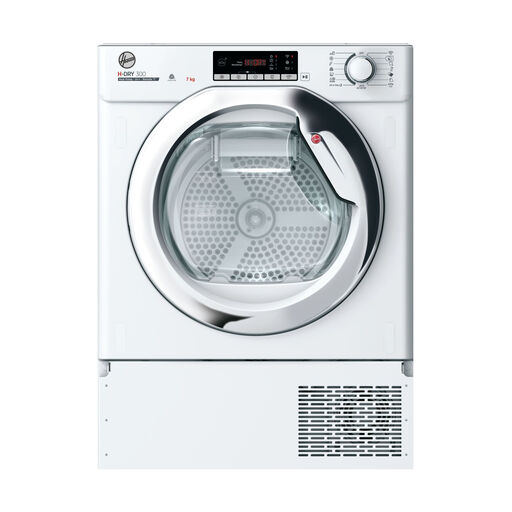
Hoover H-DRY 300 Pro BATD H7A2TCE-80 integrated heat-pump dryer, 7 kg
Consider this heat-pump model if you need an integrated position without an outside exhaust. Confirm the cabinet dimensions, ventilation clearances and whether its programmes suit your usual small loads.
Joybuy
 No image available
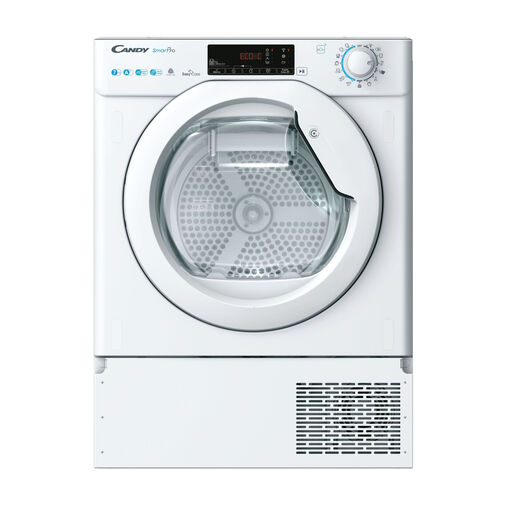
Candy BCTD H7A1TE-80 integrated heat-pump dryer, 7 kg
This integrated heat-pump model is relevant where an external vent is impractical. Check the complete installed depth, door space and clearances; confirm its programme guidance if smaller loads are your priority.
Joybuy
 No image available
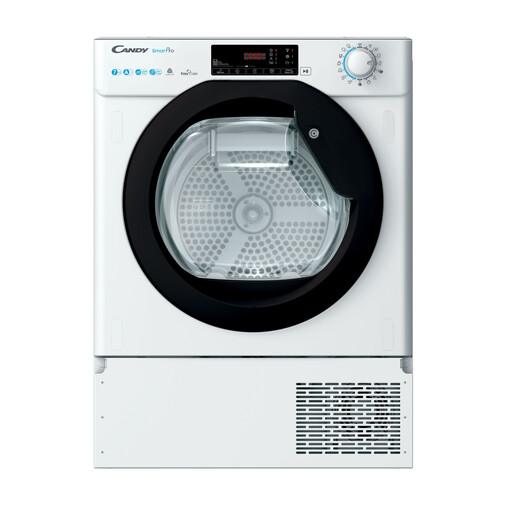
Candy BCTD H7A1TBE-80 integrated heat-pump dryer, 7 kg
Consider this model for a built-in position where you cannot vent outside. Confirm the full cabinet and door dimensions, required ventilation space and whether its programmes are intended for your small loads.
Joybuy
 No image available
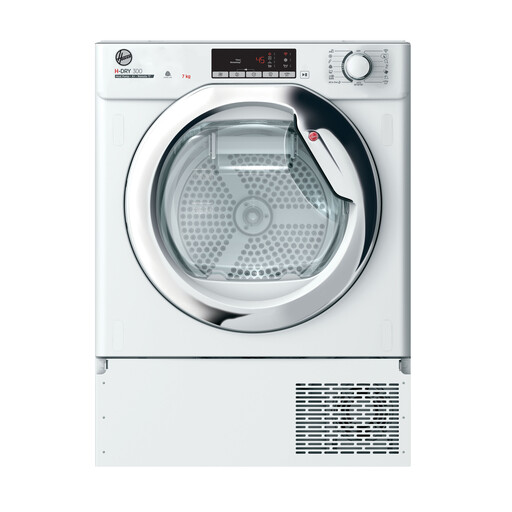
Hoover H-DRY 500 HLE H7A1TCE-80 heat-pump dryer, 7 kg
This heat-pump model is relevant if the utility room has no outside exhaust route. Before planning a cabinet position, confirm whether this exact model requires integrated or freestanding installation and check its clearances.
Joybuy
 No image available
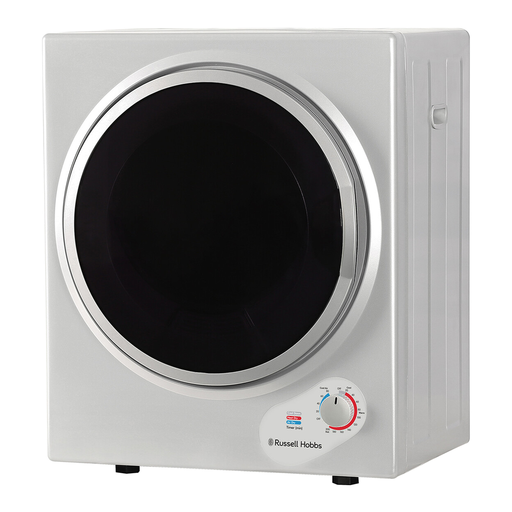
Russell Hobbs RH3VTD800S compact vented dryer, 2.5 kg
The 2.5 kg capacity is worth considering for very small batches only if you have a suitable route for the exhaust. Confirm its placement and mounting requirements before use; do not assume that this vented model can sit in an unvented cabinet.
Joybuy
Common questions
Does a utility-room dryer need an external wall vent?
A condenser or heat-pump dryer does not need an external exhaust, but a vented dryer does. Electrical Safety First advises professional installation for vented models, so establish a suitable outside route before choosing one.
Does a small household need a low-capacity dryer?
Not necessarily: choose capacity to cover the largest loads you expect, then check how the exact model handles your frequent partial loads. A stated small-load programme or sensor drying can matter more to this decision than drum capacity alone.
Can I run a tumble dryer from an extension lead?
Plan for a nearby wall socket instead. Electrical Safety First advises against relying on an extension lead for a tumble dryer because of overload risk, particularly when other appliances are connected.
What energy information should I compare?
Compare the energy label and product information sheet for the exact models you are considering, alongside programme duration and your likely frequency of use. UK government guidance requires this information for products within the applicable labelling rules; arrangements differ between Great Britain and Northern Ireland, so use the information relevant to where you buy.
Should I check for safety notices before using a dryer?
Yes: check the exact model and serial number against any applicable manufacturer and UK product-safety notice, then follow its instructions. Notices cited by the UK Office for Product Safety and Standards concern specified appliances, not every dryer from the brands involved.


