Quick jacket-potato hosts
A single tin can provide a tuna topping without committing to a multipack. Check the labelled servings and drained weight before deciding whether one can is enough for the people you are feeding.


For a quick Bonfire Night jacket-potato topping, start with a listing that clearly offers one tin, then check whether its labelled servings suit your meal. Spring-water tuna gives you a plain base, while brine calls for a check of the salt declaration; if you prefer an oil-packed or no-drain format, check its ingredients and pack count before assuming it meets a one-tin requirement.
A single tin can provide a tuna topping without committing to a multipack. Check the labelled servings and drained weight before deciding whether one can is enough for the people you are feeding.
If you are mixing a filling shortly before serving, a drained or no-drain format may reduce handling of packing liquid. Check the pack count: the identified no-drain example from John West is a multipack.
If ingredients, salt, fish allergy, sourcing or pregnancy guidance affect what you serve, read the exact can’s label rather than relying on a brand-wide description.
Settle the number of tins and servings first. Then choose a preparation format and packing liquid that work with your topping, while checking any labels that matter to those eating it.
| Concern | What to check | Who this matters to |
|---|---|---|
| One tin for the meal | Check the pack count, net and drained weights, and labelled servings. Sainsbury’s labels its 145g spring-water tin as two servings. | If I am topping jacket potatoes for a small group, I need to know how far one can will go. About 36% of consumers put single-tin meal fit first. |
| Low-mess preparation | Look for an explicit drained or no-drain description, then confirm whether the purchase contains one tin or several. | When food needs mixing just before serving, I would rather handle less packing liquid. For about 29% of consumers, easier preparation is the primary concern. |
| Packing liquid and recipe fit | Compare ingredients and the nutrition panel on the exact product, particularly salt and fat, using the same stated basis. | If I am adding cheese, mayonnaise or seasoning, I want the tuna’s packing liquid to work with those ingredients. About 21% of consumers prioritise that recipe-and-label fit. |
| Allergens and sourcing | Check the fish allergen declaration and any sourcing statement on the exact can. If pregnancy guidance applies, consider total weekly tuna intake. | Before serving a mixed group, I need to know whether everyone can eat the tuna and whether its stated sourcing meets my requirements. Those checks come first for about 14% of consumers. |
A single can may cover more than one labelled serving: Sainsbury’s 145g spring-water tin is labelled as two.
Check the serving statement and drained weight when planning how many tins to open.
Princes lists 0.9g salt per 100g drained for its 145g brine chunks. The declaration matters when deciding what else to add to the topping.
Compare the salt values on the cans you are considering, using the same quantity and drained-weight basis where stated.
Storage instructions differ between products; the Sainsbury’s listing calls for use within one day after opening, while the cited M&S and Princes listings allow two days.
Transfer leftovers to a sealed non-metallic container, refrigerate them and follow the instructions for the can you opened.
Pole-and-line and MSC-related statements identified for particular Sainsbury’s and M&S tins do not establish the sourcing of every tuna can those retailers sell.
Check the statement on the exact product you intend to buy.
Its range includes standard tuna chunks and no-drain formats.
Princes offers tuna chunks in several packing liquids and sizes, including a 145g brine format.
Tesco lists an own-label 145g tuna-chunks-in-brine tin alongside other formats.
Its own-label 145g tuna chunks in spring water are listed as a single tin.
The Just Essentials range includes a listed 145g tuna-chunks-in-brine product.
M&S lists a 160g single tin of tuna chunks in spring water.
These listings cover plain tuna in spring water or brine, a seasoned tuna option and an oil-containing variety. For a strict one-tin Bonfire Night purchase, confirm the unit count on any listing that does not make it clear.
 Image unavailable
A 145g spring-water option to consider when you want a plain tuna base for a jacket-potato topping or sandwich filling. Check the can’s serving count and drained weight when planning portions.
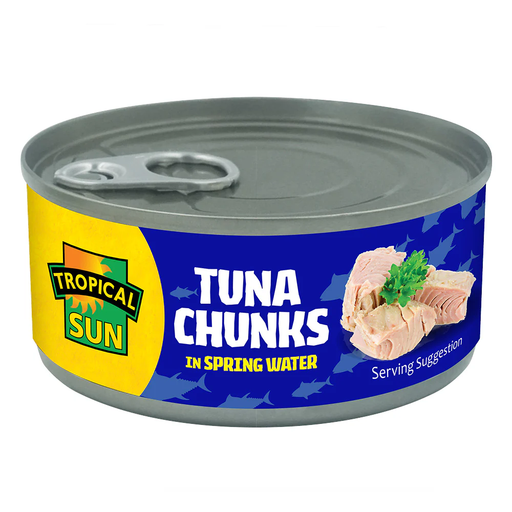 Image unavailable
A 160g spring-water option for a plain filling. The listing uses both Topical Sun and Tropical Sun for the brand, so confirm the identity on the package before buying; check its serving and drained-weight declarations when planning portions.
 Image unavailable
Consider this 180g sauced tuna if you want a seasoned topping rather than a plain base. It is larger than the 145g–160g tins discussed above; read its ingredient and allergen label before serving it to others.
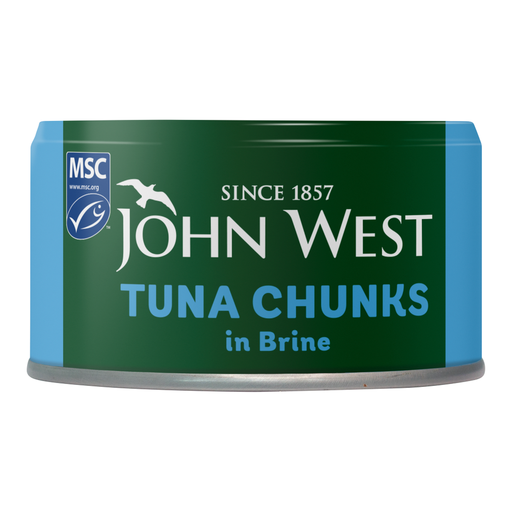 Image unavailable
This 125g brine tin is a smaller option when you need less tuna for a topping or filling. Check the labelled servings and the basis of any salt figure before comparing it with larger cans.
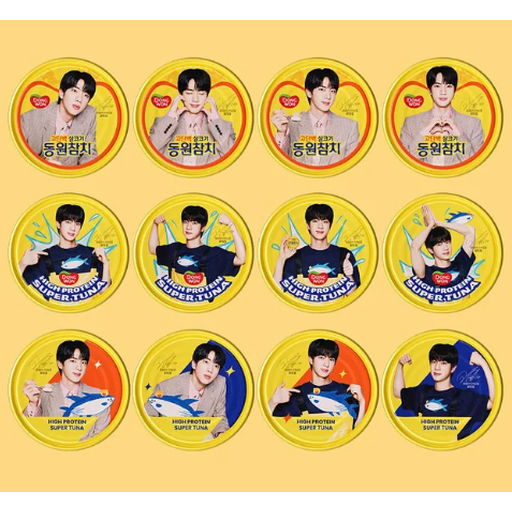 Image unavailable
A 150g original-flavour listing to consider if its ingredients suit your filling. The listing mentions 12 assorted designs and random shipment; confirm how many cans the purchase contains before choosing it for a strict single-tin meal.
No. Sainsbury’s labels its 145g spring-water tuna as two servings. Use the serving statement and drained weight on the tin you choose to plan portions.
Choose spring water if you want a plain base for ingredients you will add yourself. With brine, check the can’s salt declaration against the rest of your topping; with oil-packed tuna, check the ingredients and nutrition panel if those affect your choice.
Transfer it to a sealed non-metallic container and refrigerate it, following the timing on that product’s label. The cited Sainsbury’s tin specifies use within one day, while the cited M&S and Princes listings specify two days.
No. Tuna is fish; check the exact product’s allergen declaration, particularly when preparing food for a group.
The NHS advises people who are pregnant or trying for a baby to have no more than four cans of tuna or two tuna steaks a week because tuna can contain higher levels of mercury than other fish. Count tuna eaten across the week, not just at the Bonfire Night meal.