
24/7 Customer Support

Free returns

Same-day & Next-day Delivery

Quality Guaranteed

Unlock Your Welcome Offers: FREE Delivery | Up to 80% OFF | Free 30-day JoyPlus trial
Download the APP
From quick lunchtime sandwiches to protein-packed salads and comforting pasta bakes, tuna is a cornerstone of the British pantry. It’s convenient, versatile and a fantastic source of protein. Yet, navigating the supermarket aisle (or a webpage) can be surprisingly complex. Not all tuna is created equal, and a few common pitfalls can mean you’re not getting the quality or value you expect.
As a Joybuy Product Recommendation Officer, my role is to help you see past the marketing clutter. Before you add that next can or pack to your basket, let’s look at the frequent traps that catch out even savvy shoppers.
To make sure you’re choosing the right product for your needs, focus on these three core parameters. They will tell you everything you need to know about the flavour, texture and value of the tuna inside the can.
The form of the tuna dictates its texture and its ideal culinary use.
The liquid your tuna is packed in affects its flavour, moisture and nutritional content.
How you buy your tuna can impact both convenience and cost-effectiveness.
Based on these practical considerations, here are a few options from our catalogue, matched to different needs and lifestyles.

Why This Fits Their Persona: This multipack is ideal for those who plan their meals and prioritise high-protein, low-fat ingredients. The spring water base keeps calories to a minimum, making it perfect for post-workout meals, lean salads and healthy lunches throughout the week.
It directly avoids the packing liquid calorie trap by using spring water. The 6-pack format also addresses the value issue, providing a cost-effective supply and clear information on drained weight per can.
Very high in protein (24.9g per 100g drained) and low in fat (1.0g). The multipack format offers convenience and good value for regular consumption.
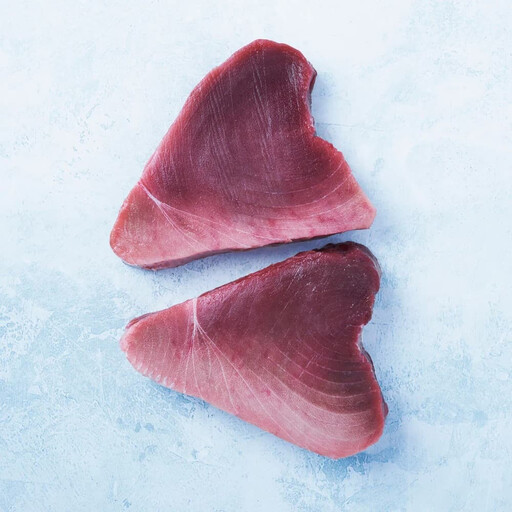
Why This Fits Their Persona: For those who want to go beyond the can, these frozen steaks offer superior quality for more ambitious dishes. The sashimi-grade certification means they are suitable for slicing raw for sushi or poke bowls or for searing to perfection, leaving the inside rare.
This product sidesteps the canned "steak vs. chunk" debate entirely by offering a genuine, solid tuna steak. Its specific grading ("sashimi grade") provides clear assurance of its quality and intended use, removing any ambiguity.
Premium quality suitable for both raw and cooked preparations. The two individually portioned steaks reduce food waste and make meal prep straightforward.

Why This Fits Their Persona: This multipack is a reliable workhorse for family meals. The tuna chunks in sunflower oil are a classic choice for flavourful tuna mayo sandwiches, jacket potato toppings and creamy pasta bakes that appeal to all ages. The 4-pack ensures there's always a quick meal solution on hand.
This is an upfront, no-nonsense product. It's clearly labelled as "chunks in sunflower oil," so you know you're getting a moist, flavourful product, not a lean one. The multipack format provides excellent value, avoiding the higher per-can cost of single purchases.
A versatile and flavourful option for a wide range of family-friendly recipes. The multipack offers great value and pantry-stocking convenience.
We have compiled a complete, real-time list of products that fully satisfy these strict selection criteria and UK safety regulations.
In theory, a tuna steak should be a single, solid piece of tuna loin, offering a firm, meaty texture. Tuna chunks are smaller pieces broken from the loin. In practice, the quality can vary by brand. A high-quality can of chunks can sometimes be firmer than a low-quality steak. The key is to find a brand that consistently delivers the texture you prefer for your intended dish.
For the lowest calorie and fat intake, tuna in spring water is the clear winner. It allows you to get the full protein benefit without added fats. Tuna in brine is also a low-fat option, but it contains more sodium. Tuna in sunflower oil has the highest calorie and fat content, but the fats are primarily unsaturated. The "healthiest" choice depends on your overall dietary goals.
Once you open a can of tuna, you should transfer any leftovers into a non-metallic, airtight container. Store it in the refrigerator and consume it within two days for the best quality and safety. Never store leftover tuna in the opened can.