
24/7 全天候客户支持

免费退货

当日/次日达

品质保障

开启新人专享福利: 全场免邮 | 低至 2 折 | 免费试用 30 天 JoyPlus 会员
下载 Joybuy
As a nation of animal lovers, we want what’s right for our feline companions. When it comes to mealtime, many cats show a clear preference for fish, and tuna often tops the list. However, the aisle for tuna cat food is crowded with options, and not all are created equal. Navigating the marketing claims to find a food that is both palatable and nutritionally sound can be a challenge.
My role as Joybuy’s Product Recommendation Officer is to help you see past the hype. This guide will highlight common purchasing pitfalls and break down the key factors to consider, ensuring you can confidently choose a food your cat will enjoy.
Before you add a product to your basket, be aware of a few common issues that can lead to disappointment for both you and your cat.
To make an informed choice, focus on the information on the back of the pack. Here are the three most important areas to analyse.
The ingredients list is your most reliable source of information. In the UK, ingredients must be listed in descending order by weight.
Both wet tuna cat food and dry tuna cat food have their place in a cat's diet.
Always check the label for the words "complete" or "complementary."
Based on these practical criteria, we've matched some popular options to different owner needs.
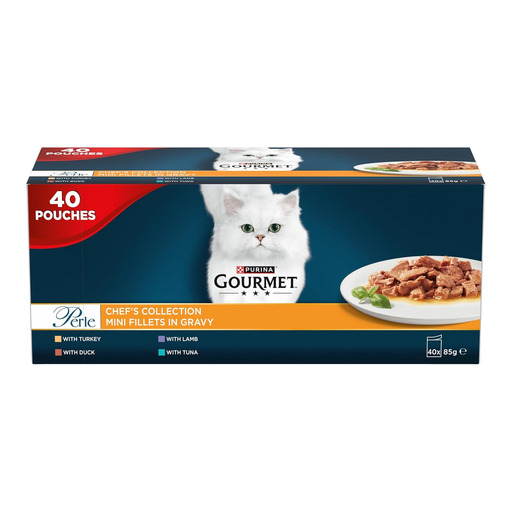
Why This Fits Their Persona: This cat food multipack tuna option is ideal for owners who want to stock up and get good value. With 40 pouches, including a tuna variety, it caters to households with multiple cats or those who simply prefer to buy in bulk. The variety also helps prevent flavour fatigue.
It is clearly labelled as "nutritionally complete and balanced," avoiding the complementary food trap. The tuna variety specifies "Tuna 4%", providing transparency on the fish content.
Excellent value per serving in a large multipack. The inclusion of four different flavours (including tuna) provides variety for your cat.
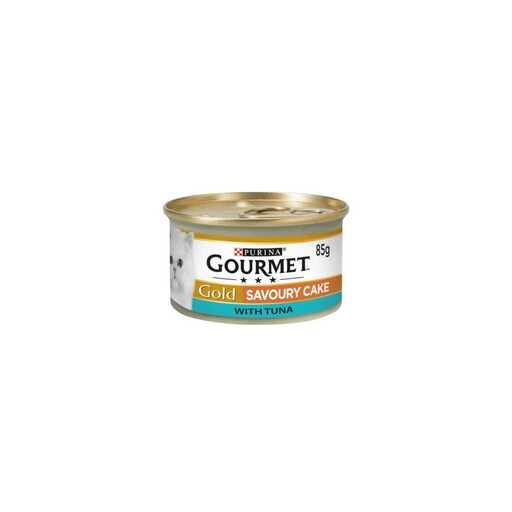
Why This Fits Their Persona: For the owner whose cat has discerning taste, this food offers a unique texture. It's designed for a gourmet experience, making it a great choice for picky eaters who turn their noses up at standard p?té or chunks.
This is a complete meal, not a complementary treat. The "gourmet" claim is backed by a unique "savoury cake" texture, and the composition clearly states "tuna 4%", avoiding the vague flavour trap.
The distinctive cake texture can appeal to fussy cats. It is served in a single-portion 85g tin, ensuring freshness at every meal.
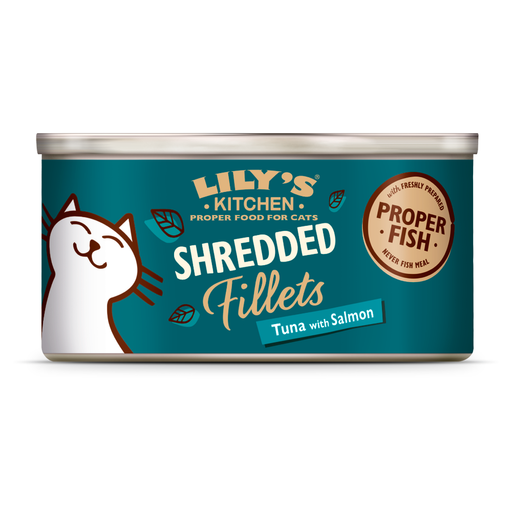
Why This Fits Their Persona: This owner reads labels carefully, looking for high meat content and no unnecessary additives. This recipe is grain-free and made with natural ingredients, appealing to those who prioritise a simple, high-quality diet for their cat, especially if they have sensitivities.
It directly counters the "low tuna content" trap with a composition of "Tuna (47%)" and "salmon (4%)". It's also a complete food and its "natural" claim is supported by a transparent, grain-free recipe with no added sugar.
Features a very high percentage of real, shredded fish fillets. The grain-free recipe is suitable for cats with digestive sensitivities.
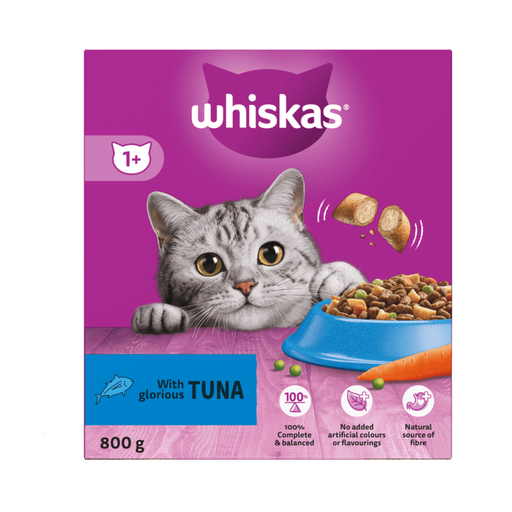
Why This Fits Their Persona: This owner prefers the convenience, cost-effectiveness and dental benefits of dry kibble. This Whiskas tuna cat food is a widely available and trusted option that provides a complete diet in a dry format.
This is a complete dry food, so there is no nutritional ambiguity. The composition is transparent, stating "4% Tuna in the Brown Kibbles," so you know exactly what you're providing.
The crunchy kibble texture helps with dental maintenance. The formula also contains balanced minerals to support lower urinary tract health, a key consideration for cats on a dry-food diet.
We have compiled a complete, real-time list of products that fully satisfy these strict selection criteria and UK safety regulations.
Yes, as long as the product is labelled 'complete,' it is formulated to provide all the daily nutrients your adult cat requires. However, many cat owners find that rotating different protein sources (like chicken, salmon, or beef) can prevent fussiness and provide a wider range of nutrients. It is not advisable to feed your cat tuna intended for human consumption, as it lacks essential nutrients like taurine.
The main difference is texture and moisture, which comes down to your cat's personal preference. Tuna cat food in gravy typically has a higher liquid content, which is great for increasing your cat's water intake. Tuna cat food in jelly suspends the meat chunks, which some owners find less messy to serve. Both are excellent wet food options.
A grain-free tuna cat food is primarily beneficial for cats with a diagnosed grain allergy or digestive sensitivity. For the majority of healthy cats, grains like rice or corn in a well-formulated complete food are a good source of energy and are not harmful. If you suspect your cat has a food sensitivity, it is always best to consult your vet.