
24/7 Customer Support

Free returns

Same-day & Next-day Delivery

Quality Guaranteed

Unlock Your Welcome Offers: FREE Delivery | Up to 80% OFF | Free 30-day JoyPlus trial
Download the APP
For a quick lunch, packed work meal or reliable storecupboard dinner, tuna chunks in brine can be a practical ingredient. It is ready to drain and add to salads, sandwiches, pasta, wraps and jacket potatoes, without the extra oil found in some canned tuna products.
However, pack size, drained weight and salt content can make products that look similar quite different in everyday value. Before choosing canned tuna in brine, check the label rather than relying on front-of-pack wording such as “premium”, “natural” or “high protein”.
A 145g can does not necessarily contain 145g of tuna. Some of the stated weight includes brine, so the useful comparison is the drained weight. When comparing a tuna in brine multipack, calculate the cost per can and, where possible, the cost per 100g of drained product.
This matters for families and meal-preppers who may use one can per portion. A four-pack may look cheaper at the checkout but offer less usable tuna than another pack with a similar headline weight.
Tuna in brine is often relatively low in fat compared with tuna packed in oil, but this does not automatically make every product nutritionally identical. Check the nutrition panel for energy, fat, protein and salt per 100g drained.
For example, the listed Princes Tuna Chunks in Brine provides 24g of protein and 0.5g of fat per 100g drained. Morrisons Fad Free Tuna Chunks In Brine lists 24.9g of protein and 1g of fat per 100g drained. These figures are useful for comparison, but portion size and the other ingredients in a finished meal also affect the overall nutritional profile.
Most tuna chunks in brine products in this guide are fully cooked and suitable for eating after draining. Nevertheless, always check the individual packaging, particularly when buying unfamiliar tinned tuna.
Once opened, transfer leftovers to a clean, sealed, non-metallic container, refrigerate and consume within two days, unless the packaging gives different instructions. Do not use cans that are swollen, leaking or badly damaged. Small bones may occasionally remain, so consume with care.
A short ingredient list such as tuna, water and salt makes it easy to understand what you are buying. Skipjack tuna is commonly used in everyday canned tuna products, while some labels simply state “tuna”. Fish is a regulated allergen and must be clearly declared. People with fish allergies should not consume these products.
Some products may also carry warnings about possible traces of crustaceans or soya. Read the current packaging every time, especially if buying for someone with an allergy.
The 125g, 145g and 160g formats suit different routines:
A multipack is most useful when you already know how quickly your household uses tuna. Otherwise, individual cans can reduce the risk of overbuying.
Comparing products on the same basis helps avoid misleading portion comparisons. The products listed here generally provide around 22.6g to 25g of protein per 100g drained, with little or no carbohydrate. Salt varies, so check the label if you are trying to manage the salt content of meals.
Nutrition values can change between packaging versions. Use the product page as a shopping guide, then confirm the label delivered with your order.
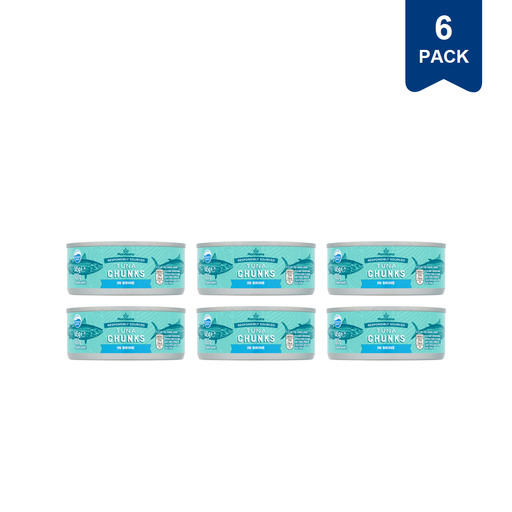
Why This Fits Their Persona: A six-can format suits shoppers building an affordable cupboard supply for packed lunches, quick sandwiches and weekday meals.
The listing clearly states a 145g net quantity, skipjack tuna, water and salt, helping shoppers compare the product without relying only on promotional wording.
Six 145g cans; 24.9g protein and 1g fat per 100g drained; suitable for salads, sandwiches and everyday recipes.
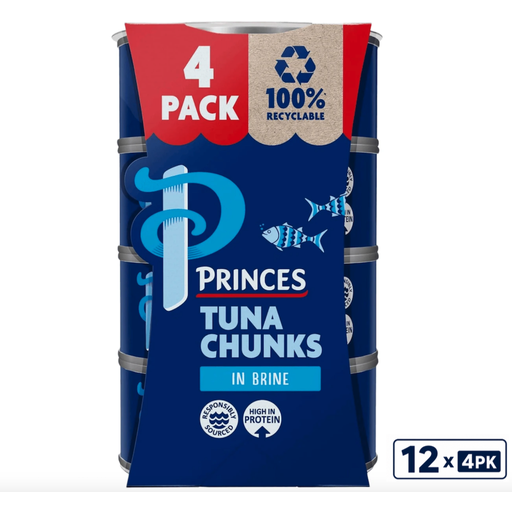
Why This Fits Their Persona: This larger supply is suited to households that regularly prepare tuna pasta, salads, wraps or family lunches.
The supplied specification identifies skipjack tuna and brine without added oil, while giving nutrition per 100g drained and per 145g serving.
24g protein and 0.5g fat per 100g drained; four 145g cans per pack; fully cooked and ready to eat after draining.
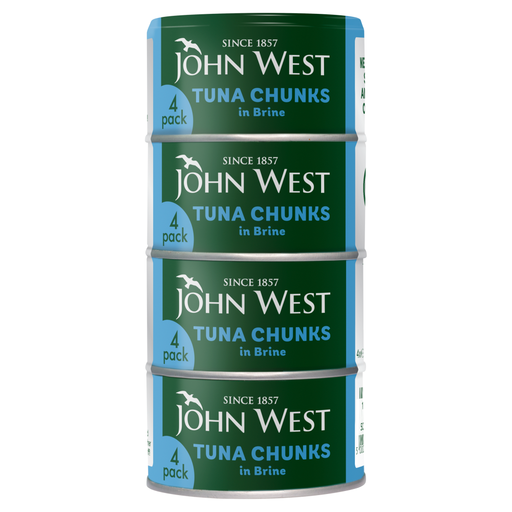
Why This Fits Their Persona: Four smaller cans are convenient for controlled portions, individual lunches and recipes where a 145g can may be more than required.
The four-pack format makes the quantity visible before purchase, while the 125g can size helps reduce opened leftovers.
Four 125g cans; 25g protein and 0.7g fat per 100g; suitable for sandwiches, salads and pasta.
Drain the brine thoroughly before mixing tuna into mayonnaise, yoghurt dressing or pasta sauce. For a sandwich filling, combine it with sweetcorn, cucumber or chopped red onion. For a quick salad, add beans, tomatoes and leafy greens. Tuna chunks can also be stirred into cooked pasta, rice or a jacket potato.
Do not confuse ready-to-eat tuna chunks with products labelled cooking required, such as some tuna steaks. Check the usage instructions before serving.
We have compiled a complete, real-time list of products that fully satisfy these strict selection criteria and UK safety regulations.
Many canned tuna in brine products are fully cooked and ready to eat after draining. Confirm this on the packaging, as some tuna steaks and other preserved fish products require cooking.
Transfer unused tuna to a clean, sealed container, refrigerate it and use within two days. Do not store opened tuna in the original metal can.
It depends on the listed price, number of cans and drained weight. Compare the total cost with the number of cans and calculate the price per 100g drained where the information is available. A multipack is particularly practical when your household uses tuna regularly and can store it in a cool, dry cupboard.