What to check before buying
Start with when and how you will prepare the meal, then compare labels on their stated drained or cooked basis.
| Concern |
What to check |
Who this matters to |
| Meal timing and ride food |
Check whether the tuna is ready to eat and how much the serving provides. Plan carbohydrate food separately for the ride or meal when needed. |
If my next meal is some time after cycling, I want an ingredient I can use promptly without mistaking it for food to eat throughout the ride. About 40% of consumers put this meal-planning need first. |
| Storage and cooking |
Distinguish frozen steaks from chilled, previously frozen steaks; read the pack’s defrosting, cooking and use-by instructions. |
I would choose a fillet-style meal if I have the freezer or fridge space and time to prepare it. About 30% of consumers primarily want that cooked-steak route. |
| Packing medium and label values |
Check water, brine or oil in the ingredients, then compare salt and fat per 100g on the stated drained or cooked basis. |
When assembling the rest of my meal, I want to know what is in the tin or on the steak label rather than choosing by a protein figure alone. About 20% of consumers make those label details their main concern. |
| Allergens and specific guidance |
Read the fish allergen and species information on the exact pack; where relevant, follow NHS pregnancy guidance on tuna. |
If allergy information, pregnancy guidance or the tuna species affects my purchase, those details come before convenience. About 10% of consumers put these checks first. |
Joybuy tuna options for meal planning
These Joybuy options cover tinned tuna for cupboard meal planning and frozen steaks for a cooked fillet meal. Choose between them by preparation time, storage and the exact pack label.
 No image available
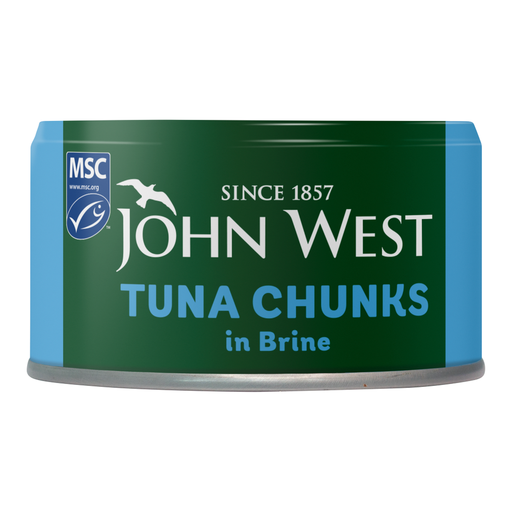
John West Tuna Chunks in Brine 125g
A single tin to consider when you want tuna as a quick meal ingredient after a ride.
Brine-packed, 125g. Check the label when planning the other foods in the meal; tuna alone does not cover longer-ride carbohydrate needs.
View on Joybuy
 No image available
John West Tuna Chunks in Springwater, 4 x 125g
The four-tin pack suits cupboard meal planning when springwater is the packing medium you want.
Check this pack’s draining instructions before relying on it as a no-drain option. Plan any carbohydrate food needed for the ride or meal separately.
View on Joybuy
 No image available
Princes Tuna Chunks in Brine, 4 x 145g
A four-tin option for keeping tuna available as a meal ingredient without planning steak cooking.
Check the brine product’s salt value and serving information on the pack when comparing it with water- or oil-packed tuna.
View on Joybuy
 No image available
Princes Tuna Chunks in Sunflower Oil, 4 x 145g
Consider this cupboard option if you specifically want tuna packed in sunflower oil for a meal.
The four-tin pack contains 145g tins. Compare its oil, fat and salt information with the other ingredients you plan to use.
View on Joybuy
 No image available
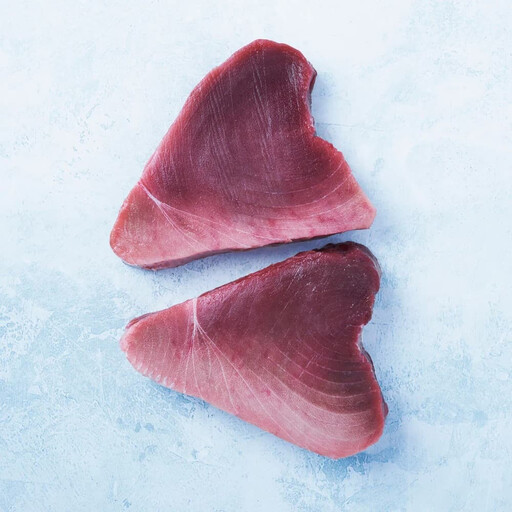
Super Frozen Tuna Steaks, Sashimi Grade, 2 Steaks, 260g
The frozen two-steak pack is a fillet-style option for a meal you can prepare in advance.
Allow for frozen storage and follow the exact pack’s defrosting and preparation instructions. Do not treat the words “Sashimi Grade” alone as instructions for eating it raw.
View on Joybuy
Questions about buying tuna
Can tinned tuna be the food I take on a long ride?
Do not rely on tuna alone for that purpose. British Cycling advises eating from the start of rides over 90 minutes, and the cited tuna products list less than 0.5g carbohydrate per 100g. Plan food for the ride separately; tuna can instead be an ingredient in a meal.
Should I buy tinned tuna or frozen steaks for a meal after cycling?
Choose tinned tuna if you need a ready-to-eat cupboard ingredient. Choose frozen steaks if you want a cooked fillet and can accommodate freezer storage and the pack’s preparation instructions. ASDA’s cited frozen steaks must be fully cooked and are not intended for raw consumption.
Can previously frozen chilled tuna steaks go into my freezer?
Follow the instructions on the exact chilled pack. Sainsbury’s says its cited yellowfin steaks may be frozen as soon as possible after purchase and within the use-by date; once defrosted, they must be consumed within 24 hours and must not be refrozen.
What should I check if someone in my household has a fish allergy?
Check the allergen information on the exact product and do not use tuna as an ingredient for someone with a fish allergy. The Food Standards Agency states that UK food businesses must provide allergen information for both prepacked and non-prepacked food.
Does pregnancy change how much tuna I should buy?
If the tuna is for someone who is pregnant, account for the NHS advice not to eat more than four cans or two tuna steaks a week. That is pregnancy-specific guidance, not a limit for every cyclist; check the current NHS advice when planning meals.


