Home bakers controlling the sauce
If you are making a tuna pasta bake, pie or fishcakes, spring-water chunks let you deal with the packing liquid before adding the tuna. A stated drained weight helps you plan how much fish goes into the recipe.


Start with an individual tin of tuna chunks in spring water if you want to drain the packing liquid and control what goes into the bake; compare drained weight, not just tin size, when planning the recipe. A no-drain format saves a preparation step, but check whether it is sold as one tin. Choose oil-packed tuna when its oil suits the recipe, and check the exact variant’s label before substituting it.
If you are making a tuna pasta bake, pie or fishcakes, spring-water chunks let you deal with the packing liquid before adding the tuna. A stated drained weight helps you plan how much fish goes into the recipe.
If draining and storing leftovers are the main inconveniences, check the tin count as well as the format. The John West No Drain example listed by ASDA is a 3 × 100g pack, not a single-tin purchase.
If ingredients, salt or a sourcing statement affect your choice, read them on the exact variant. A claim or nutrition value for one tuna product does not establish the same details for every tin from its brand.
For one home bake, decide how much drained tuna you need, how you want to handle the packing liquid and whether the listing is actually for one tin.
| Concern | What to check | Who this matters to |
|---|---|---|
| Usable tuna and moisture | Look for drained weight and check whether the recipe calls for drained tuna. | If the bake needs a measured amount of fish without extra packing liquid, tin size alone will not settle the choice. About 36% of consumers put usable quantity and moisture control first. |
| Preparation and leftovers | Check whether draining is required and read the after-opening storage directions. | For a quick filling, avoiding a draining step or an opened tin left over may matter most. About 29% of consumers prioritise simpler handling. |
| A genuine single tin | Confirm the tin count and pack size on the listing before choosing a convenient format. | When one bake calls for one tin, a multipack may not meet the purchase need even if each tin is small. About 21% of consumers put buying a single suitable tin first. |
| Ingredients and sourcing | Read the exact variant’s ingredients, salt information and any sourcing statement you require. | If the recipe already contains salty ingredients, or a particular sourcing claim matters, the individual label becomes decisive. About 14% of consumers make these label details their primary concern. |
Tesco Groceries lists 102g drained tuna for its 145g spring-water tin; Sainsbury’s lists the same drained amount for a cited 125g John West tin. The larger net weight does not mean more usable fish in these examples.
Plan the recipe from drained weight where the label gives it, and check the amount needed before buying.
The cited Sainsbury’s spring-water tuna lists 0.12g salt per 100g drained, while the cited Tesco and ASDA products each list 0.90g on that basis.
Read the salt line on the exact tin, particularly if the bake also contains cheese, stock, olives or capers.
ASDA lists the cited John West No Drain spring-water format as a 3 × 100g pack. Its preparation method and its pack count answer different questions.
Confirm the number of tins before ordering if you only want enough for one bake.
MSC and pole-and-line statements in the cited product listings relate to particular tins; they do not describe every variant from the same brand.
Check the label of the exact product for the certification or sourcing statement you want.
Its cited range includes standard spring-water chunks and a No Drain format.
Princes lists spring-water chunks in a 145g size alongside other pack sizes and tuna formats.
The cited own-label Tuna Chunks in Spring Water is a 145g tin.
The cited own-label range includes individual 145g chunks in spring water and in olive oil.
ASDA lists an individual 145g spring-water tin as well as multipack formats.
M&S describes its cited 160g spring-water tuna chunks as suitable for pasta bakes.
These individual tins offer spring-water chunks for bakes where you want to handle the liquid separately, plus a brine-packed option to consider if its seasoning suits your recipe. Check drained weight on the chosen tin when the recipe requires a specific amount of tuna.
 No image available
This individual spring-water tin is an option when you want to prepare one bake and decide how much packing liquid to add. Check its drained weight against the amount your recipe calls for.
 No image available
This individual spring-water tin suits a bake where you intend to drain the tuna before mixing it in. Check the drained weight if the recipe specifies a fish quantity, and review the packaging for allergen and bone information.
 No image available
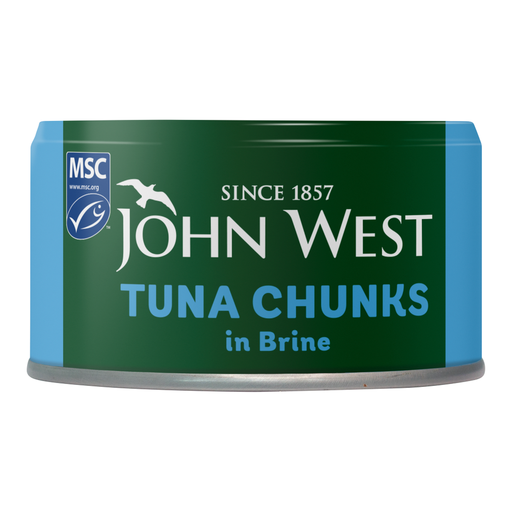
This individual brine-packed tin is worth considering if that packing liquid fits your bake. Check its drained weight for recipe planning, and read the salt information before deciding on additional seasoning.
Use drained weight when it is stated and the recipe measures the amount of tuna. Tesco Groceries lists 102g drained for its cited 145g spring-water tin, while Sainsbury’s lists 102g drained for a cited 125g John West tin.
You can choose it when the added oil suits the recipe, but do not treat the variants as identical. Sainsbury’s lists 10.1g fat and 190kcal per 100g drained for its cited olive-oil tuna, compared with less than 0.5g fat and 110kcal on the same basis for its cited spring-water tuna. Check the exact tin before adjusting other ingredients.
Follow the storage directions on that product’s label rather than leaving the tuna in the opened tin. Tesco and ASDA direct shoppers to transfer unused contents to a non-metallic container, refrigerate them and use them within two days for the cited products; directions can differ between tins.